
 Canada market guide
When Does Custom Paper Food Packaging Make Sense for a Canadian Business?
Custom paper packaging is most useful when the business can repeat a tested serving format, consolidate demand and keep the printed stock usable across its intended Canadian locations. The decision should account for province, language, delivery point and the buyer’s role in the supply chain.
A coffee distributor supporting several regional customers may have enough repeat demand for a coordinated cup programme. A new independent café with an unsettled menu may gain more from locally stocked cups while it confirms serving volumes. A restaurant group entering another province needs to check the full pack and local operating requirements before assuming its existing specification can travel unchanged.
This guide considers Canada as a purchasing operation rather than a single destination on a freight quotation. It explains how to compare custom and stock packaging, select cups and food containers, evaluate a manufacturing partner and organise the first order. The examples are planning scenarios, not claims about typical consumption or evidence that a particular buyer already works with Fude.
Start with a small, explicit product brief: the menu, normal filling conditions, quantity for each size and artwork, intended provinces and final warehouse or store addresses. That brief makes a local distributor’s offer and an overseas manufacturer’s proposal much easier to compare fairly.
Canada’s Packaging Buying Context: Provinces, Distribution Distance and Language
Plan a Regional Supply Model Before a National Print Programme
Serving customers in British Columbia and customers in Ontario can involve different inland freight and stockholding arrangements. A purchase delivered to a west-coast warehouse is not equivalent to a delivery ready for stores in the Greater Toronto Area. Obtain the final receiving postcodes, unloading requirements and carton demand at each location before choosing a shipment size.
For a national range, first decide whether stock will be held centrally, split between regional warehouses or replenished through a Canadian distribution partner. This is a commercial design choice. Consolidating more pieces into an import order can reduce some costs while increasing inventory in the wrong location. Ask who will own the stock between production, arrival and release to each customer.
Separate Federal Product Review from Provincial Operating Requirements
Canada’s federal single-use-plastics technical guidance defines prohibited foodservice ware through its shape, ready-to-consume use and specified problematic plastics; it does not establish a blanket ban on every polymer-lined paper cup.[1] That federal distinction is one input. It does not settle food-contact suitability, provincial restrictions, local collection acceptance or the buyer’s environmental claims.
A buyer should therefore keep a destination matrix rather than one undifferentiated “Canada compliant” box. Record where the pack will be used, the complete material structure, the relevant provincial review and any operator or venue requirements. This allows the business to maintain one core product where appropriate while identifying where a different lid, instruction or service routine needs investigation.
Review Quebec Artwork Before Committing to Printed Inventory
OQLF guidance addresses French inscriptions on products and packaging and changes affecting generic or descriptive trademark elements from 1 June 2025.[2] For a Quebec-bound programme, have the intended wording and applicable exceptions reviewed before approving artwork. Do not treat English-only packaging previously used elsewhere as an automatic national master file.
Operationally, this means agreeing a final language version, allocating sufficient readable print space and controlling which version goes to which customer. A late wording change can create a stock problem even when the physical cup performs well. Language review should sit beside structural sampling rather than being left until a container is already booked.
Which Canadian Buyers Are Suited to Custom Cups, Bowls and Takeaway Boxes?
The right candidate has a repeatable use case and an organisation capable of approving it. Turnover or store count alone does not establish readiness. Look for predictable consumption by SKU, an identified artwork owner and a realistic place to hold inventory.
| Buyer type | A useful custom programme | What can make the first run difficult |
|---|---|---|
| Regional coffee roaster or beverage distributor | A consistent cup and lid specification supplied with coffee to several accounts. | Customer-specific artwork fragments volume and each account orders on a different schedule. |
| Multi-location café or bakery | Shared serving sizes, approved bilingual or regional artwork and common receiving checks. | Stores use incompatible lids or change sizes without informing central purchasing. |
| Takeaway restaurant group | Boxes and bowls tested with the actual menu and delivery handling. | A single attractive sample is extended to soups, oily foods and chilled dishes without trials. |
| Packaging wholesaler | A private-label assortment with reliable cartons, barcodes where required and reorder references. | A large assortment is launched before downstream demand by size is understood. |
| Fresh-food or meal-prep business | Bowl-and-lid formats matched to filled portions, display and customer transport. | Filled volume, label space and refrigerated stacking are considered only after print approval. |
| Seasonal destination or event operator | A planned range for a confirmed operating calendar and known receiving location. | A short selling season leaves little time to use excess or delayed campaign stock. |
Build the Demand Forecast from Actual Usage
Use records from tills, kitchens or outgoing wholesale orders to estimate demand by size, not simply total pieces bought last year. Include the matching lids and any separate branding materials. For a new operation, document the assumptions and plan how they will be checked after opening rather than presenting a sales estimate as an established reorder requirement.
A seasonal business should compare the remaining selling period with the approved production and delivery schedule. If the artwork is tied to one event, remaining inventory may have little value afterwards. A stable core design can sometimes support several seasons, but that depends on the business’s branding plans and the pack’s approved storage conditions.
Stock vs Custom-Printed Packaging for Canadian Cafés and Foodservice Brands
Plain packaging and custom print solve different problems. Stock packaging can provide flexibility while a business learns its demand pattern. A custom run can make sense when the serving system and artwork are stable enough to repeat, and when the business has included stockholding in the financial comparison.
| Question | Stock or plain packaging | Custom-printed packaging |
|---|---|---|
| How certain is demand? | A practical starting point for small replenishments or untested portions. | Needs a credible consumption plan for each printed size and design. |
| How will the brand appear? | A suitable label or sleeve may add handling, materials and staff time. | The graphic is integrated into the pack, within the selected print process. |
| Will provinces or languages change? | Plain stock may be retained while the communication element is reviewed. | A version register and destination allocation reduce obsolete or misdirected print stock. |
| What is included in the price? | Compare the container, lid, label and any labour to apply it. | Include sampling, setup, transport, warehousing and potential unused pieces. |
| How quickly must the pack change? | Changing a removable branding element may be easier than replacing a printed range. | A planned artwork cycle is needed before approving another production run. |
For an illustrative example, a business using 18,000 cups a month across three equally used sizes consumes 6,000 of each size. A proposed 30,000-piece run of one size represents five months of that size’s demand, before allowing for changes or wastage. The example is arithmetic, not a supplier MOQ or a Canadian market average.
Ask each supplier to quote the actual combination of size, material and artwork. If several designs cannot share one production setup, the economical order may differ from the combined piece count. Avoid solving a branding problem by creating more inventory than the operation can manage.
Canadian Distributor vs Overseas Manufacturer: Choosing the Cooperation Model
A nearby supplier is valuable when it provides the required service, not merely because its mailing address is Canadian. Establish whether the offer is available stock, contract conversion, a custom import programme or a combination. Each model places inventory and coordination responsibilities in different hands.
| Priority | Canadian stock or distribution partner | Direct overseas manufacturing |
|---|---|---|
| Small emergency replenishments | Confirm the exact stocked SKU and compatible lid are available. | A new production run may not match an urgent shortage. |
| Regional delivery | Ask which postcodes, order sizes and delivery services are included. | Budget the complete inland journey from the named import delivery point. |
| Custom production control | Identify who owns the specification and obtains approval for changes. | Discuss materials, artwork, sampling and change control directly with the proposed manufacturer. |
| Cash and stock exposure | Clarify the call-off agreement and who owns committed custom stock. | Model quantities, payment stages and storage before the packs are consumed. |
| Issue resolution | Check response arrangements and access to batch records. | Agree evidence, notification, inspection and remedy procedures in the purchase terms. |
Some buyers may use a planned custom range for predictable consumption and a compatible Canadian stock option for exceptional demand. Compatibility must be tested rather than inferred from the nominal cup size. If the reserve lid needs a different rim or the alternative carton packs differently, staff need to know before an emergency order is placed.
For direct sourcing, establish the importer and the border-accounting arrangements at the start. CBSA’s commercial-import guide explains the CARM account, business number and import-program setup requirements.[3] A customs broker’s involvement is an agreed service relationship, not a substitute for deciding which party carries the import responsibilities.
One National Packaging Specification vs Province-Specific Versions
A national chain or wholesaler may want one product reference to simplify procurement. That can be a good objective, provided the business first establishes where the same structure, artwork and service routine are actually suitable. The alternative is not necessarily a different cup for every province; it can be a controlled product family with documented variations.
| Programme design | Potential benefit | Decision to document |
|---|---|---|
| One approved structure and shared artwork | Simplifies production and may consolidate consumption. | Has the entire destination list and language content been reviewed? |
| Shared structure with separate print versions | Keeps physical handling consistent while changing communication. | What is the demand and stock allocation for each artwork reference? |
| Regional lid or accessory variation | Can respond to a different operating or material requirement. | How will stores recognise the correct combination without mixing incompatible parts? |
| Separate regional distributors | May align replenishment with local service requirements. | Who approves specifications, reports changes and owns remaining printed stock? |
British Columbia’s provincial guidance separately addresses foodservice ware and accessories, including request-based distribution for covered accessories.[4] A programme that forecasts a lid or sleeve automatically for every drink should review how the actual counter procedure affects those accessory quantities. Apply that provincial guidance only where it is relevant, rather than extending it to every Canadian store.
Section 12 of the provincial regulation includes specific exceptions for beverage cup lids supplied with delivery drinks or at drive-through windows.[7] Forecast those channels separately from counter accessory distribution, and check the current treatment of pickup and other ordering routes before configuring a blanket platform setting.
Keep the scope of producer-responsibility review separate as well. Ontario’s RPRA identifies obligations according to the Blue Box material, the activity and the producer hierarchy; it is not a single Canada-wide registration.[5] Assign someone to maintain the provincial responsibility matrix when a new brand, franchise arrangement or resale channel is introduced.
Single Wall vs Ripple Wall Paper Cups for Canadian Hot and Cold Drink Programmes
A hot-drink counter, a cold-beverage menu and a coffee-distribution bundle should not be specified through the same cup name alone. Identify the beverage temperature, normal holding period, usable fill volume and handling routine. Then compare the cup with its actual lid and any required sleeve.
| Format to evaluate | Where it may be useful | Trial that matters |
|---|---|---|
| Single wall cup for a defined cold-drink specification | A smooth printable surface for a selected beverage programme. | Check condensation exposure, the intended barrier and whether the lid stays secure in carrying. |
| Single wall hot cup with an appropriate sleeve if needed | An operating model that already supports sleeve handling. | Record hand comfort, sleeve application time and the complete material and labour cost. |
| Ripple wall hot-drink cup | A textured outer wrap where grip and hot-drink handling are priorities. | Fill at the intended temperature, carry normally and review graphics over the textured surface. |
| Other insulated construction proposed by a supplier | A candidate where the buyer needs a different handling or branding balance. | Confirm the actual offered structure and evaluate a production-representative sample. |
Do not approve a cup by nominal ounces alone. Record the serving volume in millilitres, the rim dimensions, the named lid reference and room for foam or ice where needed. A cup carrying an apparently familiar size label can still be incompatible with a lid already in the warehouse.
For an operator with winter outdoor service, test the real handoff and carrying sequence without treating the weather scenario as a new product temperature rating. A buyer should not assume that any paper cup is suitable for freezing, reheating or a particular storage environment unless the supplier has confirmed those conditions for the ordered structure.
Kraft Bowls vs Paper Lunch Boxes for Canadian Takeaway and Meal-Prep Menus
The right food container depends on the filled meal and the journey to the customer. A salad on refrigerated display needs a different review from a hot lunch waiting for a delivery collection. A box that photographs well when empty does not show whether its closure or base will perform after the normal holding time.
| Menu or channel | Starting format to trial | Acceptance questions |
|---|---|---|
| Fresh salad or grain-bowl retail | Kraft paper bowl with a confirmed matching lid. | Can the portion be packed without stressing the lid, and will dressing stay contained? |
| Prepared hot takeaway meals | A suitable folded paper lunch box or proposed bowl structure. | Does the closure remain secure, and how do grease and condensation affect handling? |
| Meal-prep collection | A format explicitly suitable for the intended storage and customer use. | Are refrigeration duration, labels and any reheating claims supported for the complete pack? |
| Several components in one meal | A reviewed compartment or separate-container arrangement. | Do sauces move between components, and is the extra material justified by the menu? |
| Short-journey counter snacks | An appropriate tray, cup or box within the actual available range. | Does the pack protect the food during the real carrying period? |
A shared format may reduce the number of cartons behind the counter, but only if the trial supports all proposed uses. Record separate food conditions for warm, chilled, dry and sauced menu items. If one application fails, decide whether to change the pack or keep a limited additional SKU rather than asking staff to compensate for an unsuitable structure.
For delivery, test a realistic stacked bag or carrier rather than one isolated container on a table. Include normal filling, closure and waiting practices. The result should be an agreed observation record that a repeat order can be evaluated against, not simply a statement that a sample looked satisfactory.
Paper-Based, Compostable and Recyclable Packaging: What Canadian Buyers Should Compare
A fibre appearance is not a complete specification. The paperboard, barrier, ink, adhesive and lid can all affect the pack’s intended use and disposal route. Before choosing a marketing claim, identify the material structure and the collection or treatment arrangement the customer will actually encounter.
| Description or claim | Useful purchasing question | Evidence or operating check |
|---|---|---|
| Paper-based container | What else is present in the complete pack? | Obtain the structure, barrier description and separate-lid specification. |
| Recyclable pack | Will the intended system accept this exact structure and condition? | Check destination-specific acceptance and any relevant assessment rather than relying on a universal logo. |
| Compostable option | Which components are covered, and is a suitable local route available? | Review the claim scope, test conditions and processor acceptance. |
| Plastic-free wording | Does the claim cover coatings, adhesives and all supplied components? | Request evidence for the full ordered product and have the statement reviewed. |
| Reusable service | Can the operator support returns, cleaning and redistribution? | Map the actual workflow, loss points and responsibilities. |
Materials that are acceptable under one product restriction are not automatically accepted in recycling or organics collection. Likewise, a supplier’s document for the paper substrate does not establish the performance of a printed cup with a different barrier and lid. Make the evidence trail sufficiently specific to follow the ordered SKU.
For a brand operating through several Canadian municipalities, consider how the wording can remain accurate across destinations. Where collection differs, a claim may need different instructions or a more precise explanation. Avoid committing a large quantity of printed stock to an unreviewed environmental message.
How to Review Canadian Food-Contact Packaging Evidence
Food-contact review should begin with the intended application. Give the supplier the food type, filling temperature, expected contact time, storage and any customer-use claims. Those conditions help determine which documents are relevant and whether an existing assessment actually covers the ordered pack.
Health Canada describes letters of no objection as opinions for specified food-packaging applications and explains that they are not legal approvals. It also describes the voluntary assessment route for general packaging materials.[6] Avoid requesting an undefined “Canada certificate” or accepting a letter for an unrelated material as proof that every finished SKU is suitable.
Ask the supplier to identify the product and material revision connected with each document. A document for one resin, one unprinted structure or one use condition may require additional explanation before it can support a different printed item. Record limitations and unresolved questions rather than assuming the presence of a familiar laboratory name completes the assessment.
Keep Chemical Suitability and Operating Performance Distinct
A leakage trial answers a practical question, while a food-contact assessment addresses a different part of suitability. Neither substitutes for the other. A bowl may stay physically intact and still require a different evidence review for a hot fatty meal; a documented material may still fail the operator’s closure or stacking requirement.
Keep a file that links the approved use conditions, supplied structure, relevant documents and sample records. Where the supplier changes a barrier, ink system, lid source or production arrangement, identify which previous approvals need to be reconsidered. This is particularly important when one Canadian distribution reference is used by several downstream customers with different menus.
How to Evaluate a Paper Packaging Supplier for Repeat Canadian Orders

A purchasing team should be able to trace the proposed item back to an approved specification and a defined production responsibility. The evaluation is stronger when it asks how a repeat run is controlled, rather than only how polished the first presentation looks.
| Review area | Question to ask | Record to keep |
|---|---|---|
| Production responsibility | Which facility and stages make the proposed item, and which are outsourced? | Named production scope and change-notification arrangement. |
| Material control | How are the approved barrier, board and lid kept consistent across runs? | Specification revision and required approvals for substitutions. |
| Print control | Which artwork and proof define acceptance for each language version? | Approved artwork register and colour or print acceptance method. |
| Inspection and traceability | How will cartons, batches and nonconformities be identified? | Agreed checks and a sample of the reporting format. |
| Complaint handling | What evidence is required and how will a disputed batch be reviewed? | Notification, inspection and remedy provisions in the order terms. |
Use the first programme to test communication as well as product quality. A supplier that asks sensible questions about the destination, artwork and food conditions is helping define the order. If a proposal answers every question with the same general assurance, request the specific documents and sample configuration before moving forward.
Fude can be considered as a China-based manufacturing option for the four catalogue formats shown later in this guide. Compare its proposed supply against the same specification and acceptance criteria as competing offers. Neither this guide nor an online product image establishes the final availability, documentation scope or suitability for a particular Canadian application.
How to Approve Bilingual Artwork, Samples and Printed Packaging Versions
A multi-province project needs a practical artwork register. Identify the product size, design reference, language version, approval owner and destination allocation. Where a customer supplies its own text, agree who checks the required wording and who authorises the final print file.
Distinguish a Structural Sample from a Printed Proof
An unprinted sample can be useful for dimensions, lid fit and counter trials. A digital mock-up can help explain placement. A production-representative print sample addresses additional questions about the substrate, colour, fine details and the seam or wrap. Ask what the proposed sample represents, how it differs from production and which questions remain open.
Do not let an attractive mock-up close the material discussion. If the trial sample uses a different coating or lid, record that difference. If a Quebec artwork version is approved later than the English version, keep both references visible in the purchase order so the quantities are not silently assigned to the wrong file.
Make Changes Explicit Before Another Run Is Released
A new telephone number, disposal message or customer logo can create another stockkeeping decision even if the physical cup is unchanged. Separate a requested graphic revision from an approved production instruction. The business should be able to answer which file is current, who approved it and what will happen to remaining inventory carrying the previous design.
For wholesalers managing many customer brands, consider whether some customers should begin with plain packaging and a smaller branding element. The goal is to match the service promise to the customer’s actual usage. A larger print library is not automatically a more efficient or profitable assortment.
MOQ, Incoterms and Landed Cost for Paper Packaging Imports into Canada
Ask for minimum quantities by structure, size and artwork rather than one minimum for the entire category. Several items may share a shipment without sharing a production run. The quotation should also identify the packing units and what is included in the named delivery basis.
| Cost layer | What to include | Mismatch to resolve |
|---|---|---|
| Product and print | Container, lid, sleeve, setup, proof and sampling costs. | One offer includes a lid while another prices only the cup or bowl. |
| Export and ocean movement | The responsibilities attached to the agreed Incoterm and named place. | Different delivery terms are compared as if the transport scope were identical. |
| Border and domestic movement | Brokerage, applicable duties and taxes, receiving and inland transport. | A port quote is treated as a delivered warehouse price. |
| Inventory and use | Storage, financing, handling, unusable packs and obsolete artwork. | A lower piece price depends on holding stock far longer than the business planned. |
Obtain carton dimensions, gross weight and piece count for every proposed item. Paper foodservice packaging can require a substantial storage footprint relative to its invoice value. A mixed order should be assessed by the cartons that will arrive and the demand they cover, not only by the combined number of pieces.
Use a customs professional to confirm classification, value and applicable duty treatment for the actual goods and transaction. Keep recoverable tax separate from permanent cost where appropriate to the buyer’s situation. Do not adopt an online tariff percentage or a general delivery estimate as a contractual input without checking it.
The useful comparison is the cost of usable packs at the required receiving point under common assumptions. Document what is excluded and how exchange-rate, freight or scope changes will be handled before the order is approved.
From First Supplier Brief to Acceptance and Repeat Orders in Canada
Set approval points that both the buyer and supplier can recognise. Each point should leave a useful record and identify what still needs resolution. This can be a concise shared working file rather than a complex procurement system.
Define the Requirement and Quote One Comparable Specification
Provide the menu, filling and holding conditions, dimensions, lids, provincial destinations, print versions and quantities. Invite the supplier to identify assumptions or propose alternatives explicitly. Retain the original requirement alongside any proposed change so a lower quotation does not quietly reduce the requested performance or service.
Trial the Complete System with the Intended Users
Have counter and kitchen staff use the samples under representative conditions. Include normal carrying, holding and storage practices. Record the sample reference, the food conditions, what was observed and which results are acceptable. Where an issue is found, test the revised configuration rather than approving a verbal promise that production will be different.
Release Production Against an Agreed Order Record
Confirm the approved product, artwork, quantities, packing, relevant documents, payment stages and inspection criteria. Agree the delivery basis and the event that starts each estimated time period. If production begins only after a proof or deposit, place that dependency in the schedule.
Inspect, Receive and Review Before Scaling
Apply the agreed receiving checks, record batch references and notify issues through the specified process. Review actual store consumption and customer feedback before adding more sizes or artwork. A good first delivery establishes a useful baseline; repeat-order reliability still depends on change control and realistic forecasting.
How to Plan Regional Inventory and Seasonal Replenishment in Canada
Break the replenishment period into approvals, production, export handling, ocean transport, border processing, inland movement and receiving. Ask which periods are estimates and what assumptions they depend on. An advertised production interval cannot be treated as a guaranteed arrival date at a Canadian store.
Use Confirmed Lead-Time Assumptions in the Reorder Calculation
For planning, the reorder point combines expected use during replenishment with a chosen buffer. If a regional warehouse consumes 12,000 bowls per month and its confirmed planning interval is three months, expected use over that interval is 36,000 bowls before a buffer. This is a hypothetical calculation; it does not state a Fude lead time, shipping service or minimum order.
Track matching lids independently. A store can have sufficient bowls and still be unable to sell its normal takeaway meal because the correct lids have run out. Include stock at individual stores, goods already in transit and any allocation to other customers before placing another order.
Review Campaigns and Seasonal Demand Before Increasing Volumes
For a tourism-oriented or event-led buyer, record the useful selling window and the decision date for a fallback pack. A late custom delivery may create a different commercial outcome from a delayed repeat order for a year-round range. Decide who can authorise a plain-stock substitute and test that substitute in advance.
For several regional warehouses, avoid using one national average to hide shortages. Compare consumption and stock by location and discuss whether a split shipment or a different call-off arrangement is practical. The resulting plan should protect service while keeping the amount of money committed to printed inventory visible.
FUDE Product Options for Buyers in Canada
Use these existing catalogue items as starting points for a written specification and sample review. Confirm the proposed structure, available options and supporting documents for the actual order.
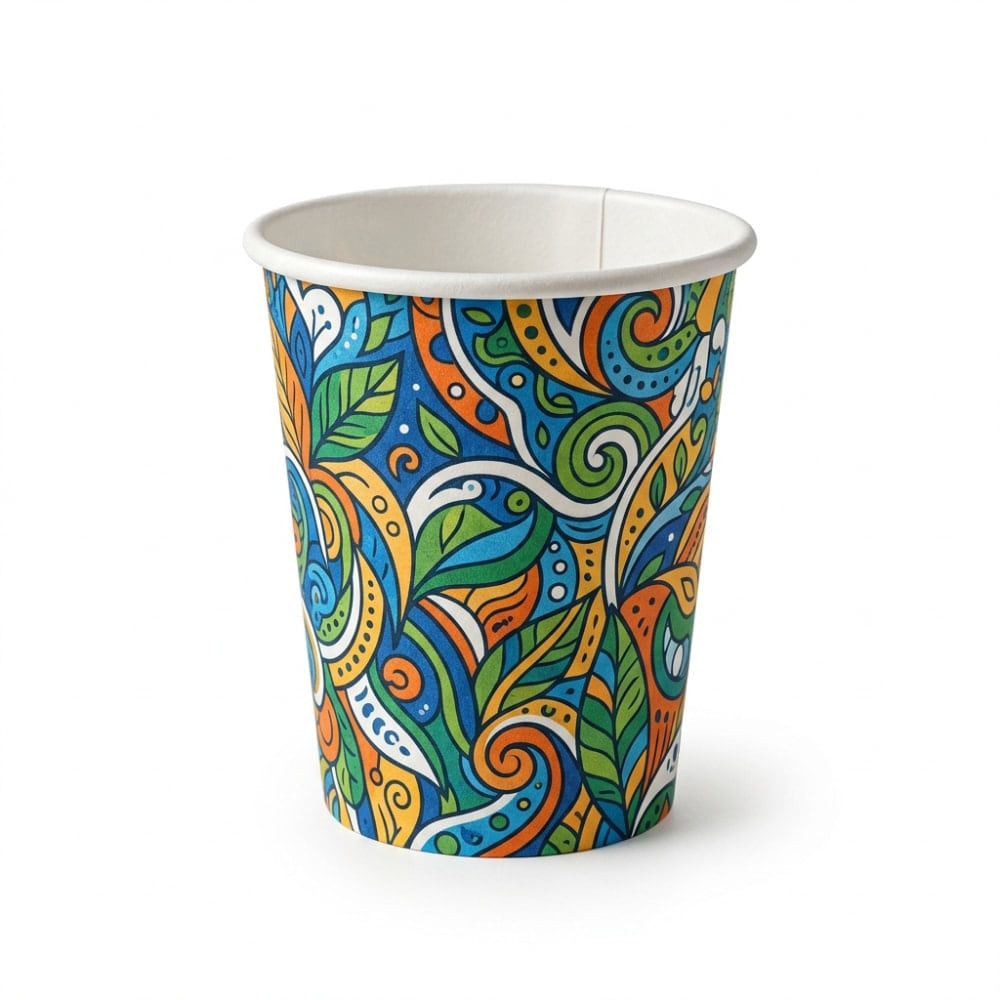
Custom Single Wall Paper Cups
A candidate for a defined regional beverage programme with controlled serving sizes and artwork versions.
Review for the enquiryConfirm the intended hot or cold specification, lid reference, serving ml and destination-specific review.
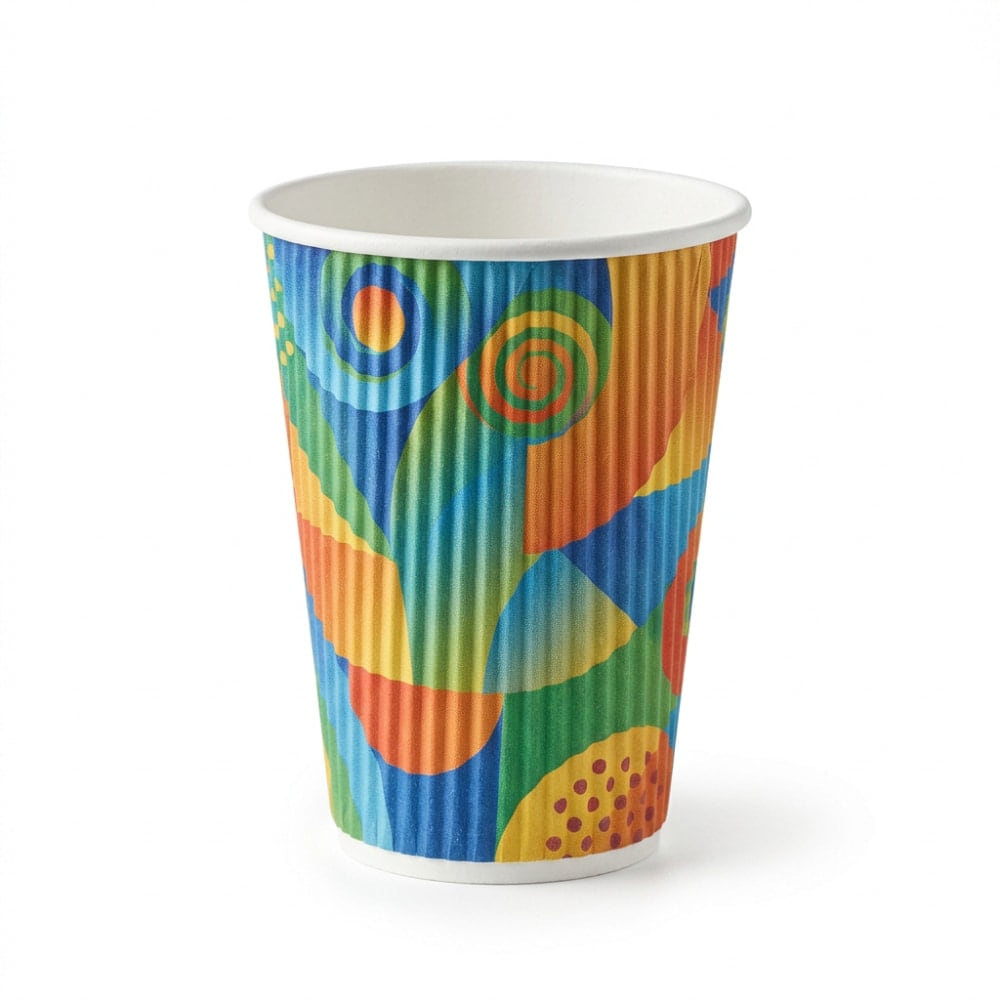
Ripple Wall Hot Drink Cups
A textured hot-drink option for cafés or coffee-distribution customers evaluating grip and handling.
Review for the enquiryTrial real fill temperatures and carrying; review detailed graphics, sleeve needs and carton use.
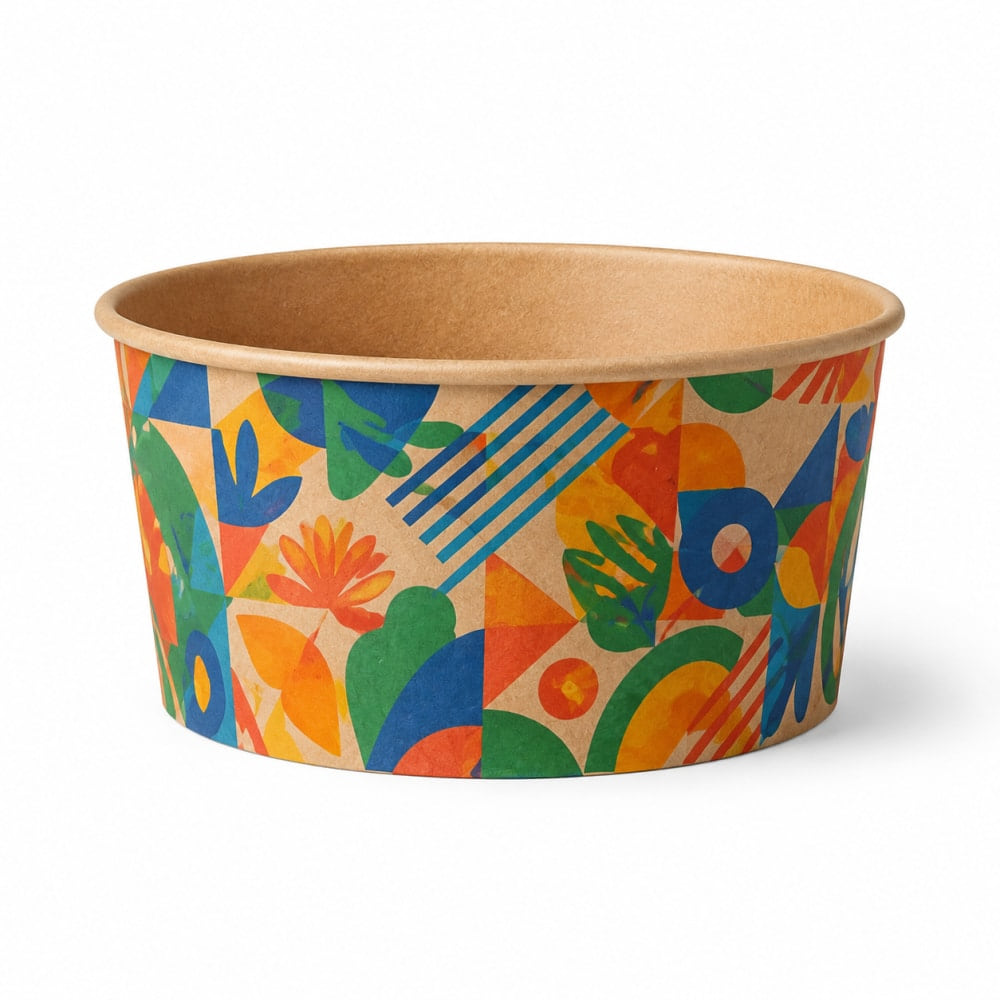
Kraft Paper Salad Bowls
A starting format for salad, grain-bowl or chilled fresh-food programmes after menu testing.
Review for the enquiryApprove bowl/lid pairing, dressing contact, filled stacking and storage conditions.
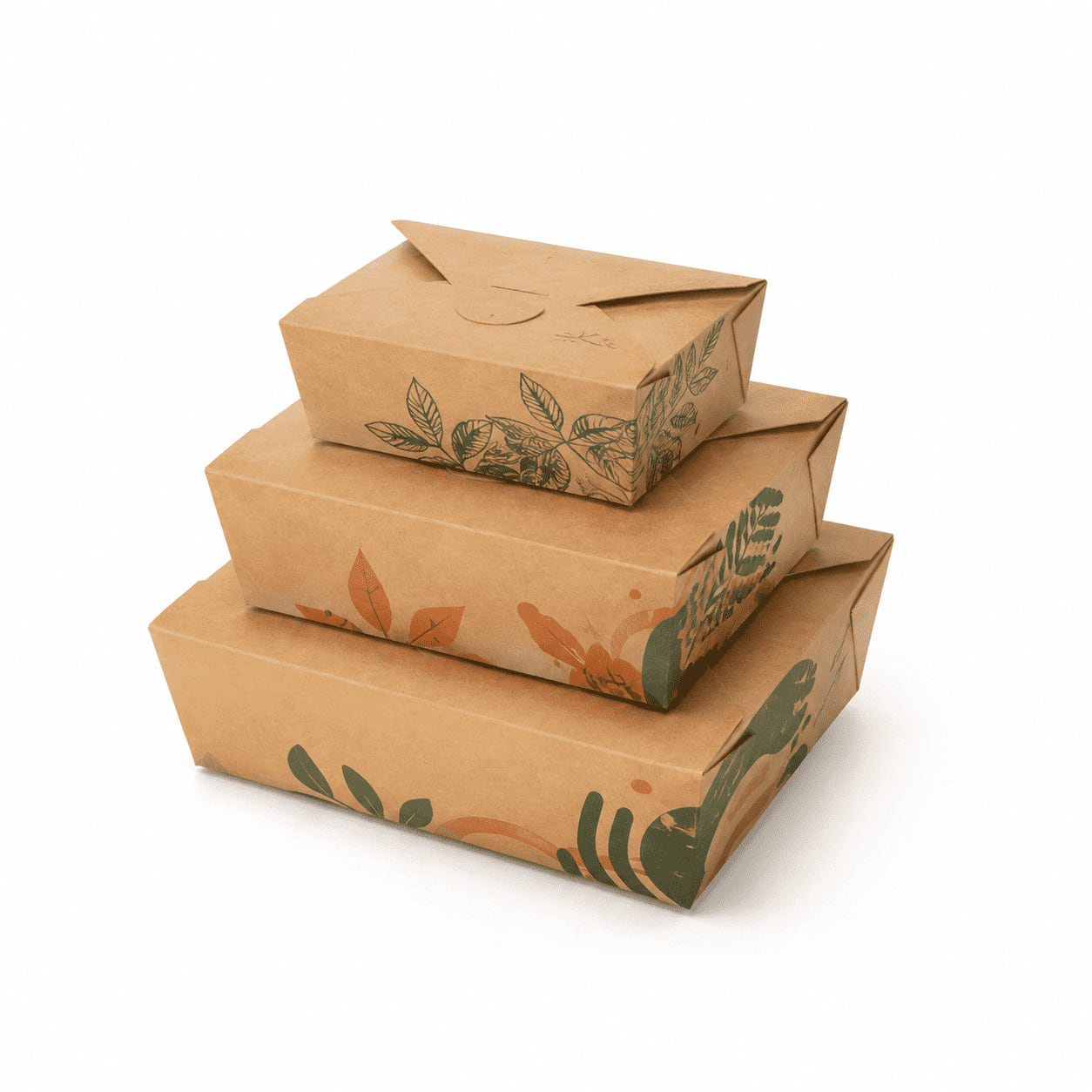
Kraft Paper Lunch Boxes
A possible folded-box format for takeaway meal programmes with stable portions.
Review for the enquiryTrial closure, grease, condensation, delivery handling and language versions.
FAQs: Sourcing Paper Food Packaging in Canada
Can a Small Canadian Café Order Custom Paper Cups?
It may be practical when each printed size has predictable consumption, stable artwork and manageable storage. Compare the proposed run with actual usage and include lids, sleeves, setup and delivery. A new café still testing its menu may benefit from stock cups before committing to several custom versions.
Are Polymer-Lined Paper Cups Prohibited Everywhere in Canada?
Do not treat all lined paper cups as one legal category. Federal foodservice-ware restrictions use specified criteria, and provincial or local requirements need a separate review. Identify the complete cup and lid materials and assess the actual destination, use and current rules before ordering.
Is a Health Canada Letter of No Objection a Universal Packaging Approval?
No. Health Canada describes these letters as opinions for the specified composition and intended applications, not legal approvals for every use. Check the actual document scope and the supplied structure. Do not substitute a resin or material letter for an unexplained finished-product assessment.
Can One Artwork Serve Both English-Speaking Markets and Quebec?
It may be possible after the complete wording and applicable requirements are reviewed. Plan the language layout before printing and keep an approved version register. Quebec product and packaging language rules, including trademark-related changes, should be considered for the actual pack and distribution arrangement.
Should National Demand Be Combined into One Overseas Order?
Only after reviewing each SKU, destination and warehouse allocation. Combining demand can simplify production while increasing regional storage or inland movement. Compare the cost and stock exposure of the complete arrangement, and confirm whether different sizes and artworks have separate production minima.
Which Sample Should a Canadian Restaurant Group Approve?
Use samples that represent the proposed material, dimensions, lids and relevant print configuration. Trial the actual foods, filling conditions, waiting and carrying routine. Document differences between a trial sample and planned production, then resolve them before the purchase order is released.
Does Ontario Blue Box Review Cover All Canadian Provinces?
No. Producer-responsibility obligations depend on the relevant provincial framework, supply activity and producer hierarchy. A business should map the destinations and its role, request component and weight data, and review the actual obligations rather than assuming that one provincial registration settles every market.
What Should Be Included in an Enquiry to FUDE?
Provide the Canadian receiving postcode, destination provinces, business model, food and temperature conditions, size, matching lids, artwork versions and quantity per SKU. Request the written specification, relevant documents, production-representative samples, carton data and an itemised delivery basis before comparing the proposal.
Send a Supplier Enquiry for Canada
You can include the menu, quantity by SKU and actual delivery point in your message. Enter your phone number with calling code, email and message, then choose Send Enquiry to submit directly through Zoho Forms. Your name and any product or quantity selections are optional.
Sources and Further Reading
Research checked on 22 October 2026. Official references support the local factual context; comparison frameworks and illustrative scenarios are purchasing guidance.
ECCC: Single-use Plastics Prohibition Regulations technical guidance ↗
British Columbia: Single-Use and Plastic Waste Prevention Regulation ↗
Health Canada: packaging materials and letters of no objection ↗
British Columbia: Single-Use and Plastic Waste Prevention Regulation, section 12 ↗
Product images are from Fude’s existing catalogue. Sample-review scenes are AI illustrations. Confirm the proposed SKU, materials, documents, quantities and commercial terms for the actual order.
 United States
 Germany
 United Kingdom