
 Italy market guide
When Is Custom Paper Packaging a Sensible Purchase for an Italian Business?
Custom paper packaging is worth considering when a business can connect a recurring serving occasion with a defined product and a believable stock plan. For an Italian bar, that may be a particular takeaway beverage rather than the whole coffee service. For a gastronomia, it may be a container that repeatedly fits a prepared meal. For a distributor, the useful programme may be a private-label assortment supported by dependable technical and packing information.
The decision should start with the food, the sales channel and the required evidence. A familiar paper appearance does not establish food-contact suitability, and a printed logo does not solve portion fit or a closure problem. Evaluate these points before asking a manufacturer to reproduce the design across a large range.
This guide follows the buying process from menu and business fit through cup and food-container comparison, MOCA documentation, Italian environmental artwork, supplier selection and repeat ordering. It also explains when available stock or a smaller branded programme may be more practical. The goal is an assortment that staff can use and purchasing can replenish, not simply the largest possible collection of printed packs.
Italy’s Foodservice Occasions: The Packaging Requirement Is Not the Whole Menu
A useful Italian brief separates food eaten at the business, food collected for immediate use and food carried to another location. A bar that serves many drinks on site should measure the specific takeaway requirement before estimating custom cups. A gastronomia’s prepared dishes should be grouped by food behaviour rather than treated as one generic hot-food category.
Record the Actual Meal and Carrying Occasion
For pasta or another sauced dish, identify the recipe, temperature, portion and period before consumption. For a chilled salad, examine visibility and label placement. For a hot drink, consider the customer’s grip and whether a carrier is involved. These details can change the required barrier, lid and closure without any change to the brand identity.
The same business may need both a reusable on-site service and a defined takeaway range for commercial or operational reasons. Decide what each system serves before forecasting disposables. A packaging quotation based on total food transactions may overstate the production quantity of the items actually needed.
Regional Demand and Seasonality Affect the Order Shape
A year-round city lunch operation and a seasonal coastal or mountain business can have very different stock exposure. An island destination may also need a different receiving and replenishment plan from a mainland warehouse. Treat those as inputs for the actual quotation, not as a reason to assume a fixed transport time. The buyer should provide the final delivery point, selling window and storage capacity before selecting the size of a custom run.
Which Italian Businesses Are Well Suited to Custom Cups, Bowls and Boxes?
Predictable use matters more than business size. An independent operator with a stable menu and controlled artwork can be ready for a focused custom order. A larger group can be less ready if every site chooses a different cup, portion or supplier reference. The purchasing file should identify who controls the format and who can approve a change.
| Business | A practical first range | What to establish |
|---|---|---|
| Bar with a repeat takeaway offer | The cup sizes actually sold off site, with the intended lids. | Serving volumes, hand comfort and consumption by size. |
| Gastronomia or prepared-meal counter | Meal containers matched to recurring recipes and portions. | Sauce, oil, temperature, contact time and closure performance. |
| Salad or fresh-lunch brand | Bowls and lids with coordinated presentation and label space. | Filled volume, display, holding and loaded stacking. |
| Foodservice distributor | An assortment with Italian product data and controlled private-label versions. | Customer forecasts, importer responsibilities and technical evidence. |
| Seasonal hospitality operator | A restrained range tied to the confirmed selling period. | Delivery date, storage and what happens to printed stock after the season. |
A temporary concept or a menu still changing can use suitable stock to measure demand. If a label or sleeve is an appropriate branding method, compare its real costs and handling against a printed format. The decision should account for the quantity likely to be used, not merely the price reduction available at a larger order.
Standardise Around Staff Use, Not Purchasing Convenience Alone
A common pack can simplify ordering only if it works for the foods and the serving routine. Ask staff to use the real portions and closures before removing alternative sizes. Keep the approved cup and lid references linked, and write the container description clearly enough that a receiving team can distinguish similar items without opening every carton.
On-Site Coffee vs Takeaway Drinks vs Meal Delivery in an Italian Operation
This comparison prevents a branded range from being built around the wrong demand. The business should use its own transaction and menu information; the examples below are operating scenarios, not market-wide consumption claims.
| Occasion | First decision | Trial and forecast |
|---|---|---|
| Coffee consumed on site | Define the appropriate on-site service rather than counting every drink as a disposable cup. | Measure the takeaway share separately and avoid unnecessary print stock. |
| Takeaway beverage | Choose a complete cup, lid and any carrier or sleeve system. | Check usable serving volume, grip, lid fit and the normal handover. |
| Prepared food collected at the counter | Select a container around the meal and the customer’s carrying needs. | Use the actual portion, fill conditions and expected holding period. |
| Courier delivery | Evaluate the complete order in its bag or carrier. | Assess lids, stacking, movement and interactions between hot and chilled items. |
A business adding delivery should not simply send its existing counter pack through a longer journey and assume equivalent performance. The dispatch period, bag loading and customer handling can expose a different weakness. Test a representative order and identify whether the change requires a different container, a separate sauce arrangement or an adjusted packing instruction.
Do Not Use One Sales Total as the Entire Purchasing Forecast
Cups, lids and meal containers have different consumption patterns. A promotional drink may sell in only one size, while another menu item is largely consumed on site. The custom order should show the quantity of each size and artwork expected to be used, with a justified buffer. That makes it easier to compare a manufacturer’s minimum with the business’s actual programme.
Stock Packaging vs Custom Printing for Italian Foodservice Brands
Printing becomes commercially useful when the format and identity are stable enough to support a production run. Available stock can be a better route while the food, portion or selling period is still being tested. Neither option should be priced without the lids, labels, sleeves or handling needed to serve the customer.
| Decision | Stock or plain format | Custom-printed format |
|---|---|---|
| Unproven menu | Allows a trial before a dedicated artwork balance accumulates. | Can tie capital to a format the kitchen later changes. |
| Stable daily offer | Provides a performance reference and possible contingency. | Can support one consistent brand and product specification. |
| Tourism or short event window | May allow buying nearer the confirmed demand. | Needs a realistic plan for unsold seasonal print. |
| Several sites | Requires clear approved stock references and substitution rules. | Needs central artwork and product-version control. |
| Italian information layout | Can use an appropriate label where the surface and process suit it. | Should reserve the required information area before the design is approved. |
Ask whether each print variation requires its own minimum. A combined order of several products is not necessarily one manufacturing run, and an attractive overall quantity can conceal slow individual designs. A stable core artwork may make the programme easier to manage than many short promotions.
The buying comparison should include the useful life of the design. If a restaurant name, menu wording or seasonal identity is likely to change, calculate how much of the printed balance would remain. A lower unit price is not a saving if the business cannot use the goods. Keep the first custom commitment proportionate to the evidence available about sales and operations.
Italian Distributor vs Direct Manufacturer: A Practical Sourcing Comparison
The supplier’s location does not by itself explain the service. A local distributor may stock the item, source it to order or coordinate an overseas custom run. A direct manufacturer may offer production access but leave import and inland handling with the buyer. Clarify those differences before comparing quoted totals.
| Priority | Italian or European distribution | Direct manufacturing |
|---|---|---|
| Frequent small replenishments | Check confirmed stock, release quantities and delivery terms. | A new production minimum may not fit frequent small needs. |
| Repeat private-label programme | Establish the underlying factory and approved specification. | Discuss the production version and change approval directly. |
| Seasonal destination | Ask when stock must be committed and who holds any balance. | Model arrival, storage and consumption through the selling window. |
| Technical documentation | Require a route to product-specific evidence. | Link material, sample and records to the ordered version. |
| Import and local duties | Identify which administrative and commercial services are included. | Agree the responsible parties and full receiving basis. |
A buyer can combine routes, for example using a planned custom range for stable demand and a tested stock item as contingency. That contingency should be identified and trialled in advance. A nominally similar cup or box can change lid fit, portion appearance or staff handling.
Fude can be considered as a China-based manufacturing partner for a defined programme. Ask for its response to the same Italian food, artwork, documentation and delivery brief given to alternatives. The assessment should not assume an Italian warehouse, a particular cost saving or a guaranteed international schedule. Those points belong in the actual proposal and agreement.
Selecting Paper Cups for an Italian Takeaway Beverage Menu
Choose the cup around the drink actually sold for takeaway. Record serving volume, headspace, fill conditions and the customer’s handling. A menu with several beverage styles may justify more than one format, but adding sizes should follow measured demand rather than catalogue availability.
| Cup type | Potential role | What remains to be checked |
|---|---|---|
| Single wall | A specified drink system with a smooth artwork surface. | Hand comfort, any sleeve needed, barrier and lid reference. |
| Double wall | An outer layer as part of a hot-drink handling solution. | Stack separation, print result, carton use and complete serving cost. |
| Ripple wall | A textured wrap where grip and appearance fit the takeaway offer. | Small-text clarity, comfort at actual filling conditions and lid retention. |
Approve Volume and Lid Together
A nominal ounce description should be translated into the usable millilitre serving and physical dimensions required by the business. Include foam or toppings and the clearance below the lid. If more than one cup size is intended to share a lid, confirm the actual pairing on samples.
Ask staff to separate cups, fill drinks, apply lids and use any carrier in their normal sequence. Review the printed proof at actual size, including Italian text and any required marking. A sample using a different wall, coating or lid should be identified as such. The production approval must refer to the proposed system, not simply to a cup that looked similar during an early meeting.
Paper Bowls vs Folded Boxes for Gastronomie and Prepared-Meal Counters
Prepared meals place different demands on a pack even when served at a similar temperature. The buyer should identify oil, sauce, free liquid, food height and the period before eating. The best container is the one that performs under those conditions and fits the portion and packing routine.
| Format | Starting application | Filled-pack decision |
|---|---|---|
| Bowl and separate lid | Salads or bowl-style meals where the presentation suits the menu. | Lid fit, sauce contact, visibility, label space and loaded stacking. |
| Folded lunch box | A prepared portion compatible with the chosen closing structure. | Food height, closure opening, grease and condensation. |
| Compartment container | A meal with elements that need useful separation. | Real portion fit and whether separation remains effective during carrying. |
| Open snack format | Food intended for prompt eating after counter service. | Protection if the order must travel or be combined with another item. |
For a hot pasta or similarly sauced meal, trial the normal recipe and portion rather than a dry substitute. Check the packing instruction and any separate sauce decision. A chilled preparation should be assessed under its own holding conditions. Do not infer microwave or oven suitability from the material’s appearance.
Keep Presentation and Food Performance in the Same Decision
An oversized container can make a portion look inconsistent, while a smaller one can force food against a lid or fold. Staff should pack the sample as they would during service and apply the real label where used. Retain the successful specification and a reference photograph, together with the food and holding conditions that made the trial meaningful.
Coated Paper, Compostability and Collection Instructions in Italy
Describe the pack’s materials before discussing its environmental message. A paperboard body, barrier, ink and lid form a system with different functions. A kraft finish is not evidence that the pack is plastic-free or suitable for every collection route.
| Claim or option | Question for the buyer | Information to review |
|---|---|---|
| Paper-based | What components make up the finished structure? | Barrier and lid composition as well as the fibre body. |
| Certified fibre | What supply and printed claim fall within the certification scope? | Current scope, relevant traceability and any authorised logo use. |
| Recyclable | What assessment and local instructions support the complete pack? | A product-level basis and applicable collection information. |
| Compostable | Which conditions, components and receiving route are covered? | Relevant finished-product evidence and processor acceptance. |
| Reusable | Can the service support cleaning, return and stock control? | A workable operating process and suitable durable products. |
The local collection message should not be improvised from a colour or a supplier’s generic sales wording. Review the applicable Italian environmental information and the actual material. If a separate lid needs a different instruction, keep that distinction visible rather than presenting the entire set as one undifferentiated paper item.
Changing to a proposed alternative barrier should trigger review of food use, print, sealing and evidence. The business may have a valid reason to change materials, but the replacement needs its own specified performance. Do not let a material substitution enter a repeat order silently because both versions are sold under a sustainable category name.
MOCA Documentation for Paper Cups and Food Containers Supplied to Italy
The Italian Ministry of Health describes MOCA as materials and articles intended for food contact, including paper and board, regulated through EU and national provisions. For a buyer, that means the relevant evidence is tied to the material and intended use rather than a universal paper-packaging certificate.[1]
Give the Reviewer a Complete Use Description
Specify the food, temperature, contact time, storage and any heating requirement. A pack selected for a chilled salad is not automatically approved for a hot oily meal. Ask whether the supporting reports and declarations apply to the exact body, barrier and relevant components proposed for production.
Where a report covers a material or product family, require an explanation of how the ordered version falls within its scope. A similar-looking sample can be useful for discussion without settling the actual supply. The file should make the relationship between specification, sample and production clear enough for a quality reviewer to follow.
Keep Instructions Usable by the Kitchen
If the approved use has limits, translate those into practical staff instructions. A box should not be placed in a microwave or oven merely because it looks like paper. A successful short service trial does not replace an assessment of a substantially different process. Keep the technical record with purchasing and the relevant food-safety staff, so a menu change can prompt a review before the pack is used in another way.
Check the Italian Measure for Paper and Board
The Ministry of Health identifies the Ministerial Decree of 21 March 1973, as amended, among the national measures covering paper and board, alongside the EU framework and good manufacturing practice rules. Give the reviewer the actual construction and intended use so the applicable provisions and accompanying conformity documentation can be checked. This is a reason to request a specific document trail for the chosen article, rather than accept one generic certificate for every material in a catalogue. [1]
Italian Environmental Packaging Labels: Plan Information Before Printing
CONAI explains that Italian legislation introduced environmental packaging labelling and provides current guidance and technical tools. Use those resources to review the information required for the proposed packaging and channel. A manufacturer’s generic European design should not be treated as an approved Italian label.[2]
| Artwork element | What to establish | Why it affects the order |
|---|---|---|
| Material identification | The applicable identification for the actual components. | A different barrier or lid can change the information review. |
| Collection message | The relevant instructions and wording for the destination use. | A generic recyclable statement may not answer the Italian requirement. |
| Brand identity | The approved logo, colours and intended visible area. | Large graphics can crowd out necessary information. |
| Food label space | Where the business will add its product information if required. | The filled pack and lid may obscure the surface available. |
| Revision control | The final file, product and approval owner. | Older designs should not be selected automatically at reorder. |
Review the design at the printed size and on the real structure. A cup seam, ripple texture or lunch-box fold can affect legibility. If a digital information route is proposed, have the relevant reviewer confirm that it is appropriate rather than assuming a QR code replaces every physical information requirement.
The artwork approval should identify what was checked and which product it covers. An alternative material or another lid should be assessed before the same print file is reused. Good version control makes the environmental information a normal purchasing record instead of an additional problem discovered after cartons have arrived.
Importing Empty Packaging vs Packaged Goods into Italy
CONAI’s importer guidance distinguishes obligations according to the nature and destination of imported packaging, including empty packaging and packaged goods. The appropriate procedure therefore needs to be reviewed for the actual business flow. A foodservice buyer importing empty cups should not simply copy a procedure used for an unrelated packed-food import.[3]
| Question | Record to establish | Supplier information needed |
|---|---|---|
| What is being imported? | Empty packs, components or goods already packaged. | A clear product and component description. |
| Who is the importing party? | The business and any appointed service provider in the transaction. | Commercial documents and the agreed delivery basis. |
| How is it used or resold? | Direct foodservice use, distribution or another identified destination. | Quantities, materials and packing data. |
| What local administration applies? | The appropriate current responsibility and reporting assessment. | Weights and supporting records in a reusable format. |
| Where is it received? | The actual Italian receiving point and onward allocation. | Cartons, handling and appointment requirements. |
The Italian customs authority’s EORI information provides a reference for customs identification. Establish the required registration and representation arrangements with the broker or relevant adviser before the shipment; do not assume the factory’s delivery term makes every administrative decision for the buyer.[4]
EU PPWR changes also require attention to the applicable role and date. Use the phased framework alongside current Italian guidance, without assuming all later measures apply immediately or that the older checklist can be used unchanged for every new transaction.[5]
How an Italian Buyer Can Assess a Paper Packaging Manufacturer

A strong proposal describes the actual product and flags differences from the enquiry. Ask for production location, manufacturing scope and any relevant outsourced stages. Then examine how the supplier controls the materials, lid source, dimensions and artwork that define the approved pack.
Evaluate Consistency, Not Just a First Sample
A sample can show what is possible; the buying decision also needs a process for keeping later runs consistent. Ask which changes need written approval, how retained samples are identified and how the buyer will learn about a proposed substitution. If the material or print method changes, the response should identify which evidence and approvals need to be refreshed.
Discuss a plausible complaint before placing an order. For a prepared-meal box, this could involve a change in closure performance under the agreed trial. For a cup, it might involve lid retention or a printed colour. Establish the batch information required, the investigation route and the remedy process. That conversation can reveal more than a general quality promise.
Keep the First Programme Representative and Manageable
Choose products that test the important aspects of the cooperation without adding speculative formats. One cup system and one meal pack may be enough to examine material evidence, print approval, packing and communication. Extend the assortment when actual use and the relationship justify it. Catalogue breadth is not a reason to skip an organised first-order review.
From Italian Artwork to a Production-Representative Packaging Sample
Settle the structural choice before finalising the print. A logo placed on a screen mock-up does not show how the food is packed, whether a lid obscures text or how small information reproduces on the chosen material. Provide final Italian wording and a clear approval route.
Ask What Each Sample Is Intended to Establish
An unprinted sample can assess handling and dimensions. A digital visual can help agree placement. A printed proof or production-representative sample addresses another set of questions. Identify any difference from the intended substrate, barrier or print process, and record what still needs approval.
For a gastronomia, fill the pack with the normal portion and attach the actual food label. For a coffee counter, use the selected lid and hold the cup as customers do. A proof should be read at actual size rather than enlarged until every detail looks clear. Simplifying unnecessary fine graphics may improve consistency across a cup, bowl and box programme.
Archive the Approved Version with the Order
Record product reference, material, artwork, print method, size and approval date. If a seasonal or regional variation is introduced, give it a distinct record and inventory plan. Remove superseded files from the normal reorder selection. This prevents an older tourism-season design or an earlier material version from being reproduced simply because its filename resembles the current one.
MOQ and Landed Cost for Mainland, Island and Seasonal Italian Operations
Ask for the manufacturing minimum for each product and artwork, then discuss shipment consolidation separately. A shared shipment does not mean every product shares one production minimum. Compare each variation with the business’s usable selling period and storage capacity.
| Cost group | Include | Mismatch to resolve |
|---|---|---|
| Serving unit | Container, lid, sleeve or label, printing and setup. | One offer excludes an element needed in service. |
| Transport and handling | Packing data, Incoterm, final destination and onward distribution. | A mainland port quotation is treated as equivalent to the final island or inland delivery. |
| Administration | Applicable import, packaging-responsibility and tax treatment for the transaction. | The buyer has not identified who handles or pays for a task. |
| Season and stock | Storage, splitting, carrying inventory and unused seasonal artwork. | The larger run appears cheaper without a plan for the remaining balance. |
For a seasonal site, work backwards from the confirmed selling window and allow for the approvals the parties actually need. Separate production from transport and final receiving. An international transit estimate is not a guarantee that a remote outlet can begin using the goods on a certain date.
A distributor may choose a stable core print and a tested stocked contingency for short peaks. A multi-site buyer should allocate cartons according to expected use and local storage rather than dividing the order evenly. Keep the cup and lid plan together, since stock of one component cannot compensate for a shortage of the other.
How to Establish a Repeat-Order Partnership for Italian Food Packaging
A good first order leaves a trail from the buyer’s menu to the delivered product. Send a brief describing food use, portions, quantity by SKU, artwork and destination. Compare written proposals and require deviations to be visible. Trial samples in the actual service and agree the version that should be manufactured.
Use a Complete Production Approval
Settle the construction, lid, material evidence, environmental artwork, quantities, packing, acceptance criteria, inspection, payment and delivery terms before authorising the run. Name the people who can approve changes. If one point is still open, decide whether it prevents production and who is responsible for resolving it.
Connect Receiving with the Approved Reference
Record batches and compare incoming packs with the agreed checks. Gather staff feedback from ordinary service rather than only a staged demonstration. If there is a discrepancy, provide the relevant records and samples to the supplier through the agreed complaint route.
Review Before Increasing the Assortment
Use the first order’s consumption, stock age and operating results to plan the next run. A slow cup size or a meal box used only occasionally may need a different purchasing model. A new recipe, material, lid or Italian print message should trigger the relevant approval. The aim of a repeat partnership is controlled continuity, with deliberate improvements, rather than assuming the same product name guarantees an unchanged supply.
Three Italian Purchasing Scenarios and the Decisions Behind Them
A Bar Creating a Focused Takeaway Coffee Range
Separate takeaway demand from drinks served on site. Measure the recurring sizes and trial the complete lid and handling system. A small set of stable artworks may be easier to replenish than a broad range of occasional formats. The first production decision should reflect the business’s actual volume and storage, while Italian information and legibility are settled on the real cup.
A Gastronomia Standardising Prepared-Meal Containers
Group dishes by sauce, oil, temperature, portion and holding time. Trial the proposed boxes and bowls with representative foods, including normal packing and carrying. Choose shared formats only where they work without forcing portions or compromising the closure. Retain food-contact evidence and staff instructions for the approved use, so a later menu change does not silently expand what the pack is expected to do.
A Distributor Planning Seasonal and Island Deliveries
Forecast the customer programme by product and destination, including the final receiving arrangement. Agree who holds stock and what happens if a customer’s season is shorter than expected. The price comparison should include the actual inland or island leg, not only the international arrival point. Keep material, artwork and batch references available for reorders and avoid using an unrelated national reporting process in place of the Italian review.
FUDE Product Options for Buyers in Italy
Use these existing catalogue items as starting points for a written specification and sample review. Confirm the proposed structure, available options and supporting documents for the actual order.
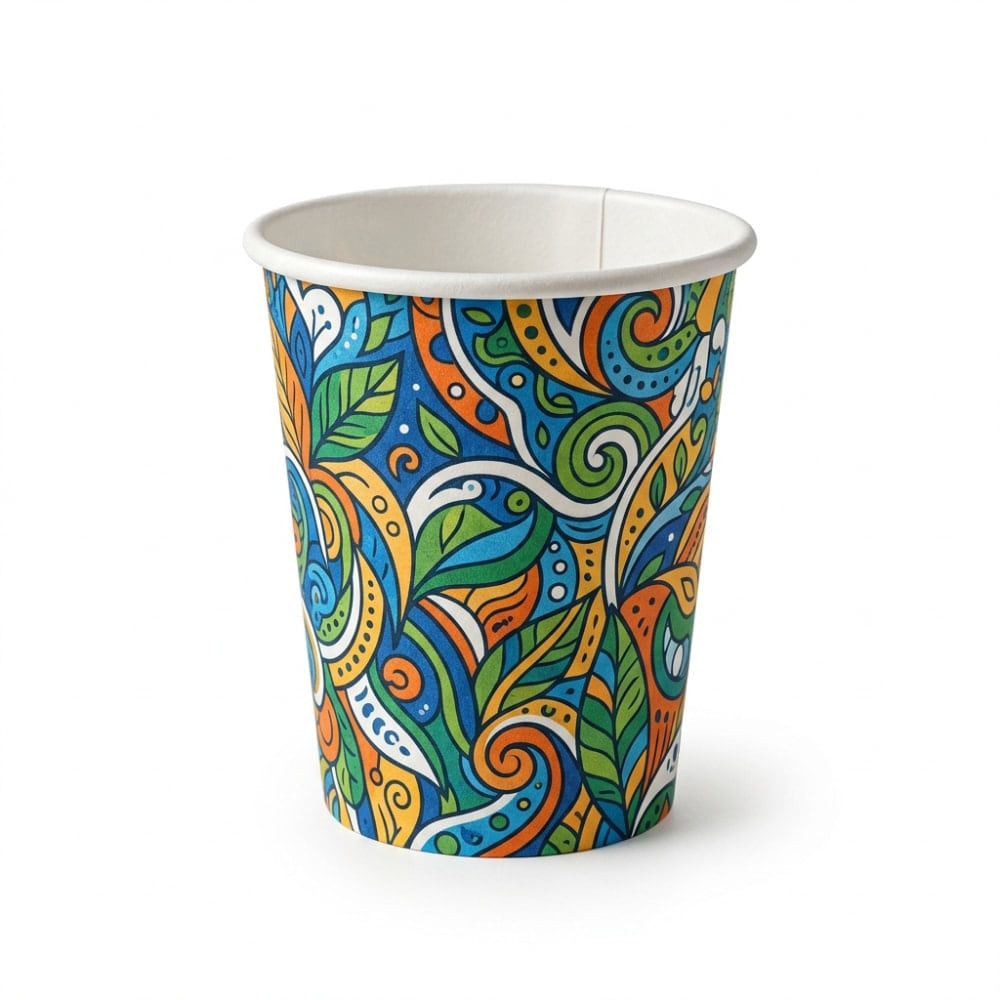
Custom Single Wall Paper Cups
A possible core cup for a defined Italian takeaway drink after actual serving sizes are established.
Review for the enquiryUsable ml, headspace, barrier, lid pairing and normal handover.
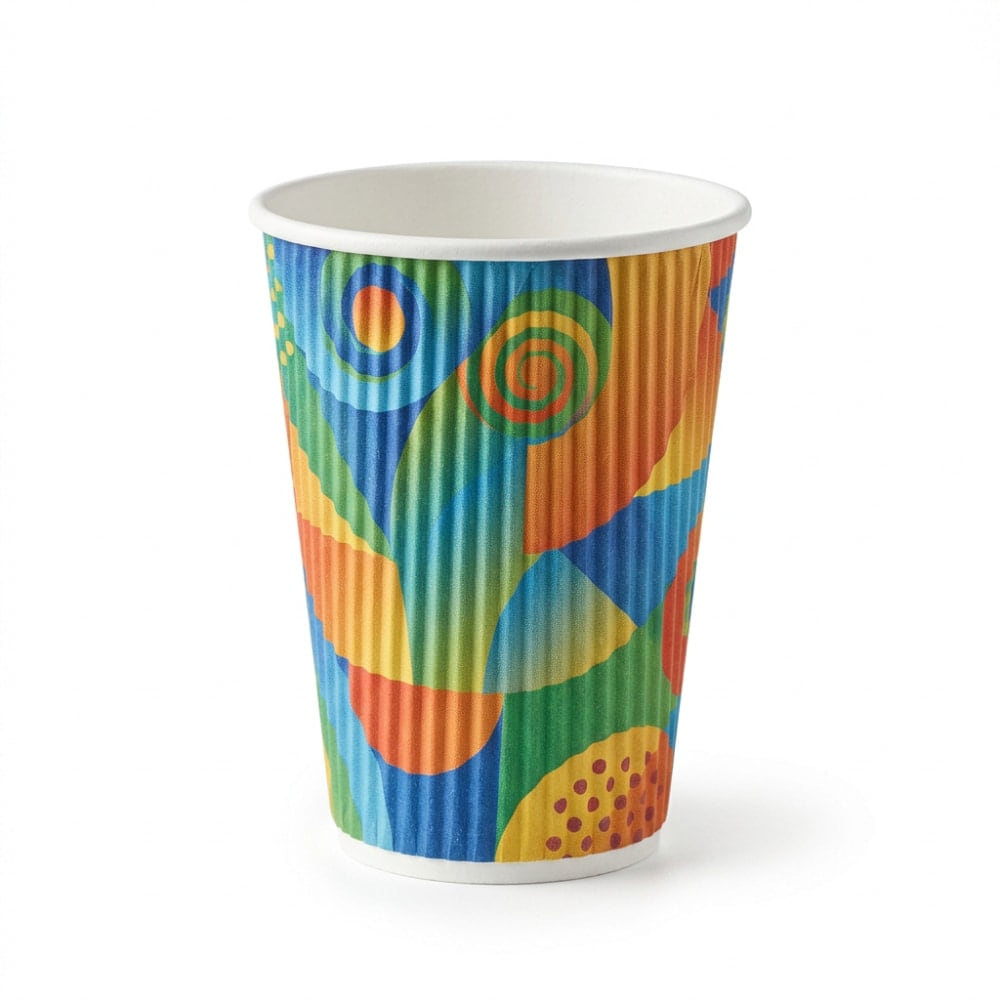
Ripple Wall Hot Drink Cups
Consider where a textured hot-drink cup fits the bar’s takeaway identity and handling needs.
Review for the enquirySmall Italian text, grip, fill conditions and lid retention.
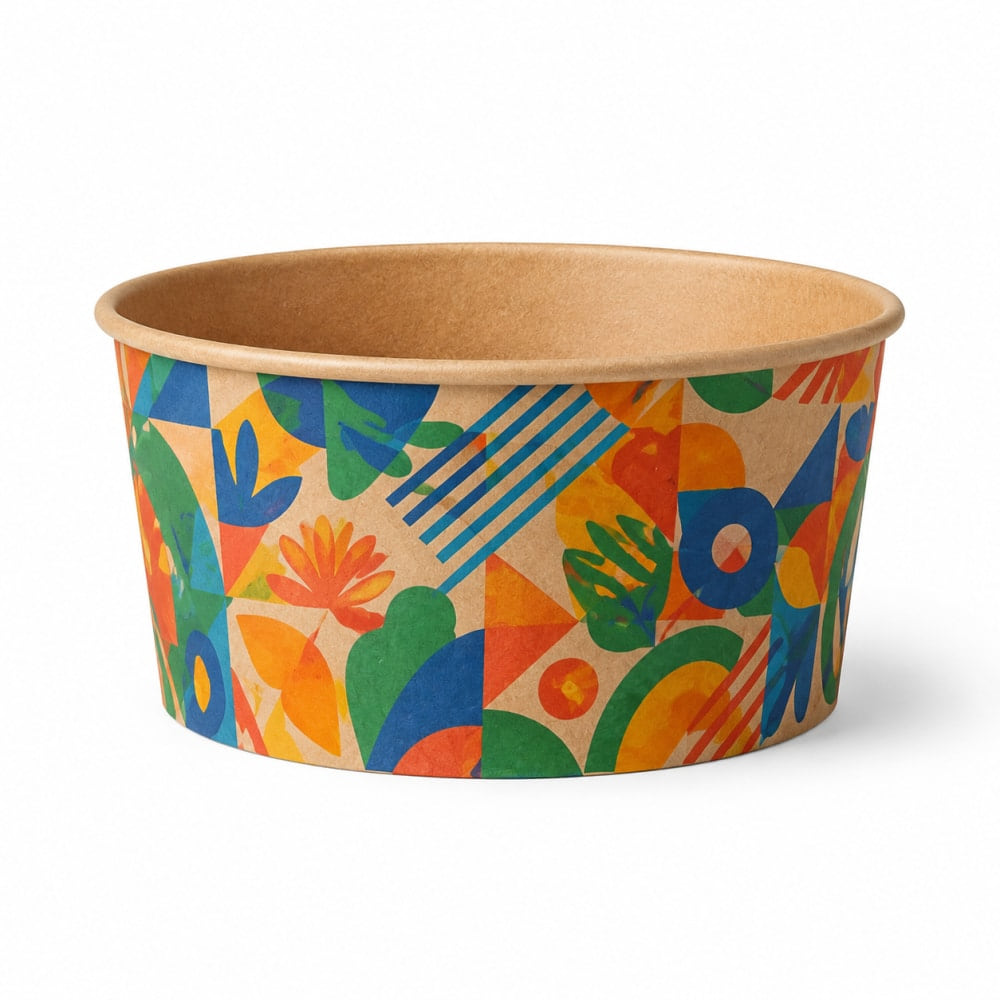
Kraft Paper Salad Bowls
A starting format for suitable salads and bowl-style prepared meals.
Review for the enquiryRecipe conditions, portion appearance, separate lid, food-label space and stacking.
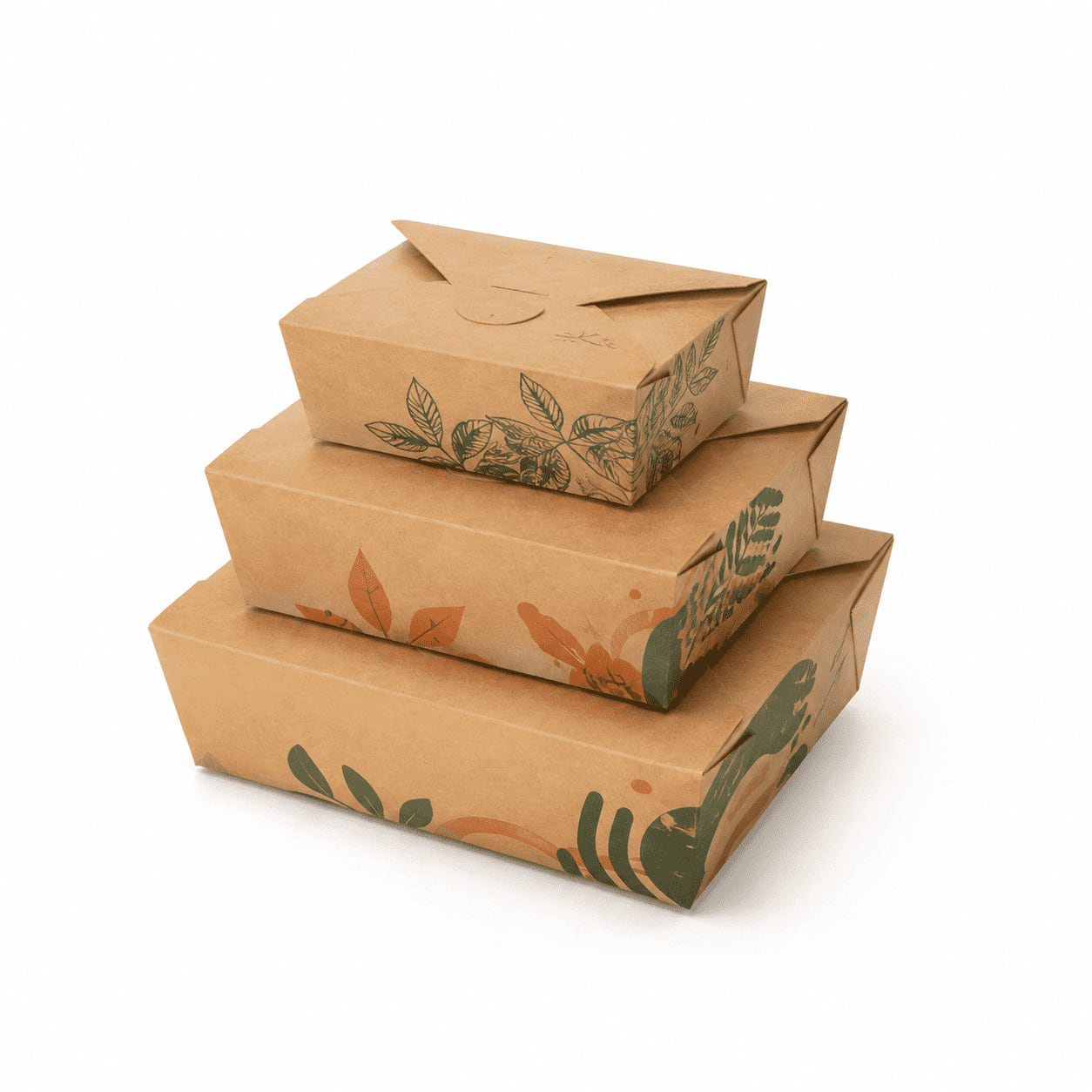
Kraft Paper Lunch Boxes
An option for gastronomia or takeaway portions that suit a folded closing structure.
Review for the enquiryOil and sauce, temperature and contact time, food height, closure and carrying performance.
FAQs: Sourcing Paper Food Packaging in Italy
Does MOCA Mean Every Paper Cup Needs the Same Certificate?
No universal document answers every material and use question. MOCA covers food-contact materials and articles under EU and Italian provisions. Ask for the specification and relevant evidence for the actual structure, food, temperature and contact period, including the intended lid and any special process.
Should an Italian Bar Print All Its Coffee Cups for Takeaway?
First measure the drinks actually sold for takeaway and the sizes used. On-site service and off-site packaging demand are different purchasing quantities. A focused core range may be easier to manage than printing occasional sizes that remain in stock for too long.
Can One Lunch Box Hold Every Prepared Dish?
Only if the proposed structure is suitable for the actual dishes and conditions. Trial portion, sauce, oil, temperature, holding and carrying. Do not assume that a familiar paper appearance or a successful dry-food test establishes suitability for a different hot or moist meal.
What Italian Environmental Information Should the Printer Add?
Use current CONAI and applicable regulatory guidance to review the actual packaging, components and sales channel. The business should approve the required information and wording. Do not ask the printer to copy a generic European mark or assume a QR code replaces every physical requirement.
Are CONAI Procedures Identical for All Imports?
CONAI describes differences based on the nature and destination of imported packaging, including empty packaging and packaged goods. Identify the actual flow and responsible parties, obtain material and quantity data, and check the appropriate current procedure instead of copying an unrelated importer’s arrangement.
Is a Direct Factory Order Always Better for a Seasonal Operator?
No. Compare the minimum, selling window, delivery arrangement and unused-stock exposure. A distributor or suitable plain stock can be practical for uncertain or short demand. A custom run becomes more attractive when the approved format and consumption are stable enough to support it.
Can a Coated Paper Pack Be Called Compostable or Recyclable Automatically?
No. The finished construction and relevant route must support the claim. A fibre-sourcing certificate does not settle those outcomes, and a separate lid may require its own assessment. Review evidence, collection instructions and intended processing before approving printed wording.
How Should a Repeat Order Be Identified?
Use the product and material specification, lid reference, artwork revision, packing and approved sample record. Ask the supplier to flag changes before production. Review actual menu use and stock consumption so an identical-looking reorder does not conceal an unapproved change or unnecessary quantity.
Send a Supplier Enquiry for Italy
You can include the menu, quantity by SKU and actual delivery point in your message. Enter your phone number with calling code, email and message, then choose Send Enquiry to submit directly through Zoho Forms. Your name and any product or quantity selections are optional.
Sources and Further Reading
Research checked on 22 October 2026. Official references support the local factual context; comparison frameworks and illustrative scenarios are purchasing guidance.
Product images are from Fude’s existing catalogue. Sample-review scenes are AI illustrations. Confirm the proposed SKU, materials, documents, quantities and commercial terms for the actual order.
 Germany
 United Kingdom
 France