
 Spain market guide
Who Should Buy Custom Paper Food Packaging in Spain?
Buy custom paper packaging when a recurring menu and a recognisable customer occasion justify a stable product specification. A cafetería with dependable takeaway beverage sales may gain more from one well-chosen printed cup than from a large assortment. A prepared-food retailer may need a bowl or lunch box that looks consistent in the display and closes reliably after a busy service. A wholesaler needs an assortment that customers can understand, reorder and use without frequent substitutions.
The starting question is which part of the service needs packaging. Separate food eaten at the premises from food collected, delivered or bought for later consumption. Then identify food temperature, portion, contact time, closure, destination and likely monthly use. Those decisions shape the product and the documents needed to purchase it.
Spain adds several practical considerations: demand may vary sharply for a seasonal business; paper articles can contain plastic components relevant to tax assessment; packaging registration roles need current review; and Spanish-facing artwork should work with the actual labels and disposal instructions used by the business. Treat these as parts of the purchase brief, rather than tasks left until the goods arrive.
Start with the Spanish Service Model: Cafetería, Comida Para Llevar or Retail
Consider three different buying situations. A neighbourhood cafetería may have regular customers and a concentrated beverage range, making daily use easy to observe. A food-to-go counter selling prepared dishes needs to protect the meal through collection and transport. A coastal seasonal operator may have a shorter selling window and more uncertainty about which printed quantities will be consumed. These are purchasing scenarios, not assumptions that every Spanish business operates in the same way.
| Service occasion | Main packaging priority | Useful first purchase |
|---|---|---|
| Cafetería takeaway drinks | Usable fill level, safe handover and matched lid. | One beverage size that represents repeat demand. |
| Prepared-food counter | Portion fit, sauce resistance and fast closure. | A menu-tested box or bowl for the core dish. |
| Chilled salad retail | Appearance, condensation and label placement. | A bowl trial using the real display and holding period. |
| Seasonal visitor trade | Sell-through before the artwork or season expires. | A core design with a modest variation strategy. |
| Regional wholesaler | Customer specification, carton data and product continuity. | An assortment with clearly differentiated uses. |
The implications differ. A bar with little takeaway demand should not calculate cup volume from its total beverage transactions. A retailer should not approve a bowl using an empty display sample. A seasonal buyer should not assume a full year of consumption for a pack carrying a short campaign message. Establishing the right denominator prevents an attractive quotation becoming a stock problem.
Seasonal Printed Packaging vs Year-Round Stock for Spanish Hospitality
For a business that relies on a visitor season, custom printing creates a timing decision as well as a branding decision. A large seasonal order concentrates cash and storage before revenue is earned. The remaining cartons can lose usefulness if dates, offers or business hours change. A stable year-round design may support more flexible consumption across quieter weeks and multiple outlets.
| Decision | Short seasonal artwork | Year-round core artwork |
|---|---|---|
| Selling window | Must be consumed during a specific campaign or opening period. | Can often remain useful across the regular menu cycle. |
| Forecast error | Unused balance may require a different outlet or written disposal decision. | Surplus can be reviewed against later demand if the specification remains current. |
| Brand flexibility | Strong fit with a specific event or visitor offer. | A consistent business identity without dated promises. |
| Reordering | Late changes may miss the remaining useful window. | Orders can be based more closely on observed consumption. |
Use a Small Seasonal Layer Where the Workflow Supports It
A stock item with a suitable branded label or sleeve may be worth trialling for a short promotion. Test whether the label adheres, stays legible and leaves required information visible. Include application time in the cost. The comparison should be between complete working systems, not between an unprinted unit and a finished printed item.
Keep a separate plan for the dependable base demand. If a seasonal forecast changes, purchasing should know which products can move to another site, which have an approved alternative and which cannot be used outside that programme. This is particularly useful for businesses that operate a permanent urban location as well as a temporary coastal counter.
Which Spanish Businesses Benefit Most from a Custom Cup, Bowl or Box Programme?
Customisation is strongest when the same pack solves the same job repeatedly. Begin with one product that has a stable portion and a visible customer handover. The case becomes weaker when recipes, sizes or menus change continually and the business cannot predict consumption for each variation.
| Buyer | Reasons to consider custom | Reason to start smaller |
|---|---|---|
| Independent cafetería | Repeat takeaway drink size and clear brand presentation. | Most drinks remain on site or sizes are still changing. |
| Prepared-meal retailer | Stable popular dishes and regular collection traffic. | Food rotation requires many incompatible shapes. |
| Delivery kitchen | Repeated transport conditions and recognisable delivery identity. | Recipes and delivery coverage are still being tested. |
| Multi-site hospitality group | Common products can serve several confirmed menus. | Sites use different portions and have no shared stock records. |
| Packaging distributor | Customer demand supports a private-label specification. | The enquiry mixes many uncertain customer requests. |
A group should aggregate demand only after confirming the products are genuinely interchangeable. The same nominal bowl volume can conceal differences in the serving line, portion presentation or lid preference. A shared design also needs agreement on the information that appears on it. If one location uses a separate regional message, give that artwork a distinct identifier rather than treating it as an invisible change.
For a wholesaler, a disciplined three-product range may be easier to sell and replenish than a long catalogue with unclear applications. Write a customer-facing description of the approved use, limitations and matching parts. The commercial promise should follow the evidence and the actual supply arrangement.
Spanish Distributor vs Overseas Manufacturer: Compare the Complete Purchasing Task
A Spanish distributor can be useful when the business needs smaller replenishments, a mixed basket or a stocked fallback. Direct manufacturing may suit a stable custom programme where the buyer can manage specification, approval and inventory. Neither route is automatically the lower-cost choice. Compare who performs the work and how the business will respond if a product becomes unavailable.
| Question | Distributor or stocked supply | Direct manufacturing programme |
|---|---|---|
| Quantity pattern | Can suit frequent mixed replenishment if available. | Needs a feasible order by product and artwork. |
| Customisation | Ask which print and material variations are actually offered. | A detailed approved specification becomes essential. |
| Responsibility | Confirm what the seller handles and what remains with the buyer. | Identify importer, regulatory review and destination tasks before ordering. |
| Continuity | Check substitution rights and exact matching components. | Agree change control and plan a tested contingency. |
| Cost comparison | Include local delivery, splitting and service terms. | Include freight, import work, storage and unused stock. |
Ask both channels to quote the same product brief. If one offer includes a lid and another does not, the unit prices are not comparable. If one is delivered to an inland warehouse and another is quoted to a port, obtain the missing costs before ranking them. Specify the final receiving postcode and handling arrangement, especially when goods will be moved again to a seasonal site.
A hybrid model may be sensible: a stable custom core plus an approved stocked alternative. Test that alternative with the same serving process. A box that closes differently or a cup with a different rim can create staff confusion even when it looks equivalent in a catalogue.
Paper Appearance vs Plastic-Component Data: A Spanish Purchasing Comparison
A paper-looking cup, bowl or box should not be classified by colour or by the word eco in a catalogue. Ask what the body, coating, lid and any other components contain. Spain’s tax authority describes the scope of the tax on non-reusable plastic packaging in terms of products containing plastic, including specified components associated with packaging. The actual construction and transaction require review. [2]
For composite products within scope, AEAT explains that the taxable base relates to non-recycled plastic content rather than the weight of the complete paper-and-plastic article. Recycled-content evidence also matters. This does not mean every paper pack is taxable, exempt or assessed identically. [3]
| Supplier description | Unresolved question | What the buyer should request |
|---|---|---|
| Paper cup | Does the construction contain a plastic barrier? | Body and coating composition, component weights and intended use. |
| Paper bowl with lid | Is the lid a separate material or supplier item? | A separate component specification and matched article references. |
| Recycled-content claim | Which component and what evidence support the percentage? | A defined claim, calculation basis and applicable supporting evidence. |
| Plastic-free statement | Does the statement cover coating, adhesive and accessories? | A complete construction explanation and the reviewer’s assessment. |
Use this information to obtain the appropriate Spanish assessment before accepting a landed-cost comparison. Keep the data linked to the article revision. If a coating or lid changes later, the purchasing team should not assume the previous assessment still describes the new goods.
How to Select Custom Paper Cups for a Spanish Cafetería
Choose the cup around the beverage served, not around the largest nominal capacity in a price list. Record the usable fill level, whether milk or ice is added, the normal handover temperature and the time before drinking. A single-wall cup may suit one workflow, while a ripple-wall design may be considered when the hand-contact experience is a priority. Neither construction establishes permission for every beverage or process.
| Decision | Single-wall option | Ripple-wall option |
|---|---|---|
| Handling | Evaluate with any required sleeve and the actual handover routine. | Evaluate the outside surface and grip during the same routine. |
| Brand presentation | A smooth surface can suit artwork that remains legible after forming. | Texture and curvature should be checked with the proposed design. |
| Storage | Measure carton and counter requirements for the chosen product. | Measure the real packed footprint rather than assume equal nesting. |
| Lid system | Approve the exact rim and lid together. | Approve the exact rim and lid together, including any alternative. |
Run a Realistic Morning-Service Sample Test
Have staff fill and close samples while using the normal equipment. Check fill marks, cup separation, lid seating and handover. Carry the drink for the ordinary customer journey and observe what happens to the exterior. Do not infer cold-drink suitability, microwave use or other performance from a hot coffee demonstration.
Retain a signed cup-and-lid reference, plus the specification and artwork version. If a later reorder proposes another lid, treat that as a functional change requiring review. A shared nominal diameter is useful information, but it does not replace a fit trial with the exact articles to be purchased.
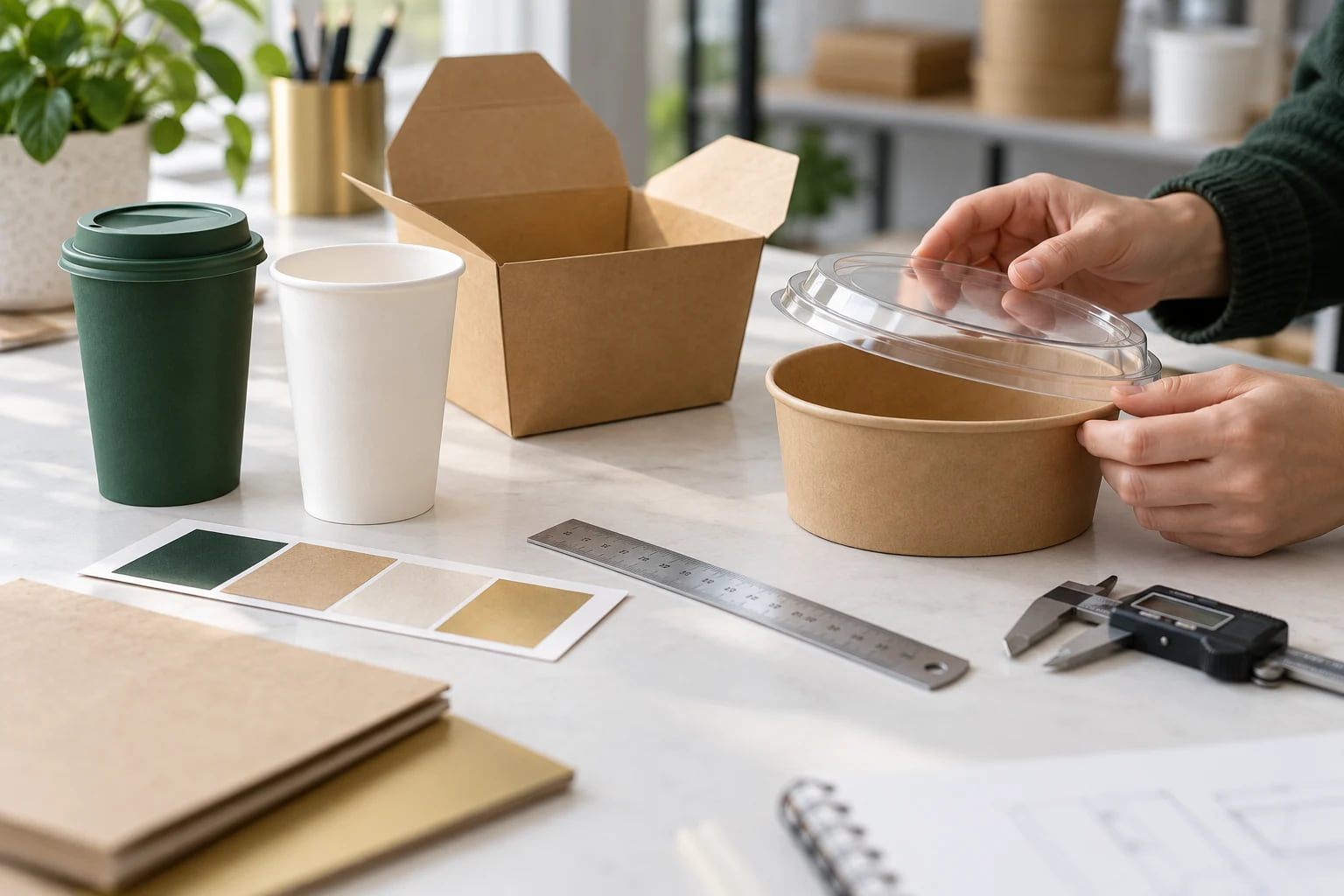
Paper Salad Bowls vs Lunch Boxes for Comida Preparada and Takeaway Meals
For prepared meals, decide whether the container should present a chilled product, hold a hot portion, or protect food through transport. A salad bowl can support a deep portion and a particular presentation. A lunch box can suit another menu shape and handover style. The useful comparison is the filled dish and the entire handling sequence, rather than a preference for one silhouette.
| Menu or service | Bowl questions | Lunch-box questions |
|---|---|---|
| Chilled salad with dressing | Can the portion mix without contaminating the closure area? | Does the shape support the presentation and label layout? |
| Warm prepared dish | Are food, temperature and holding conditions supported? | Will steam, sauce and stacking affect the seams or closure? |
| Oily components or tapas selection | Can compartments or separate items be managed with the selected system? | Do grease and movement reveal weaknesses in the base or folds? |
| Collected meal carried in a bag | Does the matched lid remain secure after normal movement? | Does the closed box maintain its shape under the actual load? |
Test sauces and oily foods using recipes from the menu. A short water test cannot represent every prepared dish. Fill at the intended temperature, observe the longest credible contact period, and assess the complete pack after transport. If the result depends on keeping sauce separate, make that an explicit operating instruction and cost the additional component.
Do not promise microwave, freezer, oven or reheating performance without specific supplier evidence and review. Define what is permitted for the approved article so staff do not gradually expand its use because the product resembles another familiar container.
Food-Contact Evidence for Paper Packaging Sold into Spain
AESAN lists the EU food-contact framework, Regulation 1935/2004, and good manufacturing practice rules in Regulation 2023/2006, alongside material-specific legislation. A purchasing review should therefore establish the construction and intended use before deciding which evidence applies. A statement that a product meets an unrelated market’s requirements does not settle the Spanish/EU assessment. [1]
Connect Documentation to the Article and the Recipe
Give the supplier the food category, temperature, maximum contact duration and any reheating or storage process. Request documentation that can be traced to the particular body, barrier, print and lid under consideration. A report on a different formulation or a different article needs an explanation of relevance, not just a similar photograph.
The reviewer should be able to identify the issuer, date, material description, sample or product references, conditions and conclusions. Ask which changes would require the evidence to be updated. If a manufacturer offers several coatings, the commercial team should not present one dossier as interchangeable with all of them unless the basis is established.
A kitchen trial and a document review solve different problems. The trial shows whether staff can handle the pack and whether the food travels acceptably. Documentation addresses the relevant compliance basis and conditions. Retain both records in the product approval file. If either part remains unresolved, keep the sample under review instead of allowing a successful presentation trial to become a substitute for a complete purchase decision.
Spanish Packaging Registration and EPR: Assign the Role Before the Order
Identify which entity is responsible for the packaging placed on the Spanish market in the actual transaction. MITECO’s Product Producer Register guidance covers household, commercial and industrial packaging and points to registration and reporting arrangements. It also explains that the PPWR definition can change producer status from 12 August 2026. Use the current transaction and guidance rather than a copied historical answer. [4]
Separate the Factory, Importer, Brand Owner and Operator
Write down who manufactures, sells, imports, fills and distributes the goods. An Incoterm helps describe delivery responsibilities but should not be treated as a complete answer to every packaging obligation. If an adviser or compliance organisation is assisting, give them the full supply flow and final destination, including whether the item is supplied empty or as part of a packed-food operation.
Agree who provides composition and weight records, who retains them, and how a changed component will be communicated. A distributor needs enough detail to support its customers without making unsupported compliance promises. A hospitality group needs a central record that can distinguish products and entities instead of recording every site’s packaging under one informal description.
The commercial agreement should identify the tasks and supporting information each party will supply. Avoid assuming a foreign factory has completed the Spanish buyer’s registration work simply because it exports to Europe. Equally, avoid duplicating responsibilities blindly. A role assessment based on the actual flow is more useful than asking each supplier for a generic registration number with no explanation of what it covers.
Spanish Packaging Artwork: Brand Hierarchy, Labels and Disposal Information
Treat artwork as a working surface. A prepared-food business may need room for changing product information, while a coffee operator may want the brand visible when the cup is held. A distributor may need a private-label product identity that customers can distinguish from another size. These requirements should be drawn on the actual dieline before the design is finalised.
MITECO maintains Spanish packaging guidance and interpretative material. Have the applicable marking and disposal information reviewed against the selected pack and current implementation before printing. A design borrowed from another EU market is not automatically the approved Spanish version. [5]
Review Local Wording Without Overcrowding the Pack
Use Spanish-facing wording that the business can verify. If a buyer chooses additional regional or visitor-facing language, reserve space and obtain approval from someone responsible for the message. Do not assume every regional language or translation is universally required. The practical objective is a readable, accurate pack for the actual sales setting.
Keep Variable Information Separate from Stable Brand Elements
Reserve a clean area for the business’s operational labels and check it after filling and condensation. Avoid placing an essential label across a seam or a curved area where it becomes unreadable. Keep claims about material or disposal specific to the approved construction. If a future material change alters those claims, the order should trigger an artwork review rather than silently reusing an old file.
Reusable Service, Compostable Claims and Future Spanish Packaging Decisions
The choice between reusable service and a disposable takeaway system depends on the actual operation. Consider collection, washing, return behaviour, food hygiene, staff handling and the customer journey. A paper pack can be useful for an authorised takeaway application, but its appearance alone does not establish the best environmental outcome or an available collection route.
| Claim or option | Question that matters | Decision record |
|---|---|---|
| Reusable system | Can the venue operate collection, cleaning and storage reliably? | Service procedure and responsibility for each step. |
| Compostable article | Which whole article is certified and where is it accepted? | Evidence plus a destination-specific disposal check. |
| Recyclable packaging | Does the statement fit the construction and actual collection route? | A bounded claim approved for the intended market. |
| Future-ready design | Which requirement and effective date is being addressed? | The current rule, later milestone and review date. |
The European Commission describes PPWR implementation with requirements that apply on different schedules. Do not assume every future packaging design or labelling obligation became operational on the same day. Review the relevant product, use and date when planning a long printed stock position. [6]
A stable design can leave room for updated operational information, but flexibility has limits. Avoid printing sweeping claims that could become difficult to support after a coating or collection arrangement changes. Discuss the expected selling period when assessing the material and artwork together.
How to Compare Paper Packaging Suppliers for Spanish Hospitality and Distribution
Build a shortlist around the ability to answer the same brief consistently. A useful response identifies the actual article, dimensions, material, matching parts, printing method and packing. It also identifies limitations and missing information. A polished catalogue is helpful for discovery; the purchase needs a more precise record.
| Assessment area | Ask for | Why it changes the decision |
|---|---|---|
| Product identity | Article reference and revision for body and lid. | Enables sampling, document review and accurate reordering. |
| Material data | Construction and component weights where relevant. | Supports Spanish tax and packaging-responsibility assessment. |
| Manufacturing control | How changes, inspection and batches are managed. | Helps distinguish continuity from unapproved substitution. |
| Commercial scope | Minimum by SKU and artwork, packing and quotation basis. | Reveals whether the order fits demand and receiving capacity. |
| Issue handling | A documented claim route and information required. | Makes a discrepancy actionable after delivery. |
Ask what the supplier can actually provide for the selected product. Do not assume every item in a range has the same printing choices or documentation. If a certification is proposed as a selling point, check its scope, holder and relevance instead of treating the logo as an answer to all product questions.
Compare the written responses before negotiating the price. An unresolved component specification can have consequences for lid fit, documentation, artwork and cost. Resolve those dependencies first so the final quotation refers to a product that can be approved and used.
A Sample and Acceptance Plan for Spanish Foodservice Packaging
Design the trial to expose the failures that would matter in ordinary service. A cafetería should observe fill, grip and lid use. A prepared-food retailer should use representative hot, oily or chilled dishes as appropriate. A delivery operator should include the real bag, stacking and movement. Testing a container empty on a desk cannot answer those questions.
Define the Conditions Before Asking for Samples
List recipes, portion weights or volumes, fill temperature, holding time, closure and transport conditions. Identify which outcomes are acceptable and which require a change. Include the people who will actually pack the meals, since their handling may reveal problems that a staged supplier demonstration does not show.
Approve Print and Construction Together
Review the formed printed sample for legibility, colour direction, seams and label space. The print proof should not distract from the structural check. A design may look attractive flat and lose useful information once the article is formed, stacked or held by the customer.
Keep the agreed reference and record any difference between a development sample and production. Before shipment, apply the inspection arrangement agreed with the seller and connect results with batches and cartons. At receiving, check quantities, transport damage, identity and the functional checks selected for that order. A complaint should include product references, batch information, photographs and representative samples where appropriate, making it possible to investigate rather than simply argue about an impression.
MOQ, Final Delivery and Stock Economics for Spanish Market Buyers
Evaluate minimum quantities per product and per artwork. A shipment containing several products does not imply they share one manufacturing minimum. Ask whether combining items affects packing or delivery and which costs are one-off. Then compare the resulting inventory with the rate at which each location can use it.
Use a complete cost model: serving container, matching closure, any sleeve or label, printing setup, freight, import administration, applicable charges, final handling, storage and expected unusable balance. Component data and responsibility assessments belong in that calculation. A low factory price can be outweighed by an order that forces the business to hold several weak-selling variants.
Quote the Actual Mainland or Island Destination
Give the seller and logistics providers the precise receiving location, access conditions and onward distribution plan. If an island destination or an intermediate warehouse is involved, obtain the relevant route and customs or tax assessment instead of assuming a mainland arrangement carries over unchanged. This guide does not promise identical treatment or delivery across destinations.
Reorder from observed use. Track cup and lid consumption together, and distinguish inventory on hand from goods already committed to another site. Set an internal review point that covers the approval and replenishment process agreed with the supplier. No universal transit promise can replace a schedule based on the actual order, shipping arrangement and receiving requirements.
From Spanish Buying Brief to a Controlled Repeat Order
A good cooperation process begins with a complete brief and ends with a repeat order that refers to an approved product version. Send the menu use, chosen sizes, quantities, destination, proposed artwork and evidence requirements together. Ask the supplier to identify deviations explicitly so purchasing does not discover them during final approval.
Agree the Decisions Before Production
Confirm the product construction, matching lid, artwork, material documentation, packing and delivery scope. Set acceptance arrangements and commercial terms in writing. Record who can approve substitutions or changes. If an unresolved question affects compliance, function or the cost basis, resolve it before authorising the run.
Use the First Order to Improve the Next One
Review consumption, staff handling, damage, customer presentation and remaining stock after ordinary service. A rarely used size may belong in a stocked assortment rather than a printed programme. A successful bowl may justify consolidation across several confirmed dishes. The decision should follow actual evidence rather than enthusiasm for expanding the design range.
At reorder, check that material, lid, print, documents and destination remain the same. Record changes to recipes, menus, Spanish-facing information or the applicable responsibility assessment. A repeat partnership becomes valuable when it reduces uncertainty without hiding changes. The most useful supplier is one whose information helps the buyer make and preserve a defensible product decision.
Three Spanish Procurement Scenarios: How the Guide Changes the Order
A Cafetería with a Permanent City Location and a Seasonal Kiosk
Separate the two forecasts. Use observed takeaway sales from the permanent location to define the stable cup programme, then plan the kiosk’s additional demand and storage independently. A core brand design may move between sites if the product and service are approved for both. A dated kiosk campaign needs a separate sell-through decision. Confirm the same lid is available and suitable before relying on stock transfers.
A Prepared-Meal Retailer Adding Chilled Salads
Trial the proposed bowl in the existing display with the actual portion, dressing and operational label. Compare it with the lunch-box system rather than assume a new category requires an entirely new printed range. If the bowl works for only one uncertain seasonal recipe, begin with a smaller purchasing model while demand is observed. Keep the chilled use approval distinct from any later hot-food request.
A Distributor Planning a Spanish Private Label
Start with customer demand by application and require component records from the shortlisted manufacturer. Establish the Spanish producer, import and tax review for the actual supply flow. Build product sheets around approved use and matching parts. A small clear range with controlled revisions can be easier for customers to reorder than many look-alike products whose material and lid differences are not explained.
FUDE Product Options for Buyers in Spain
Use these existing catalogue items as starting points for a written specification and sample review. Confirm the proposed structure, available options and supporting documents for the actual order.
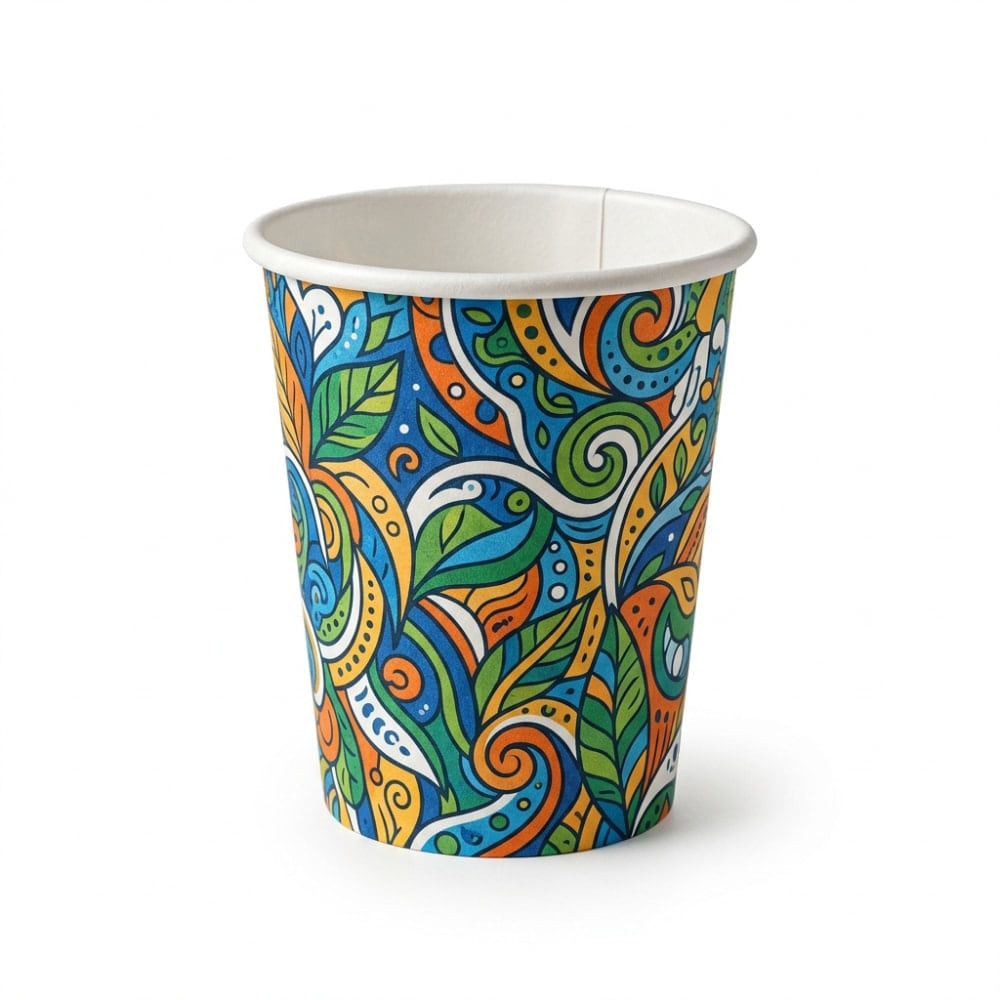
Custom Single Wall Paper Cups
A focused takeaway beverage programme for a cafetería with repeat demand.
Review for the enquiryConfirm actual beverage conditions, component data, fill level and exact lid fit.
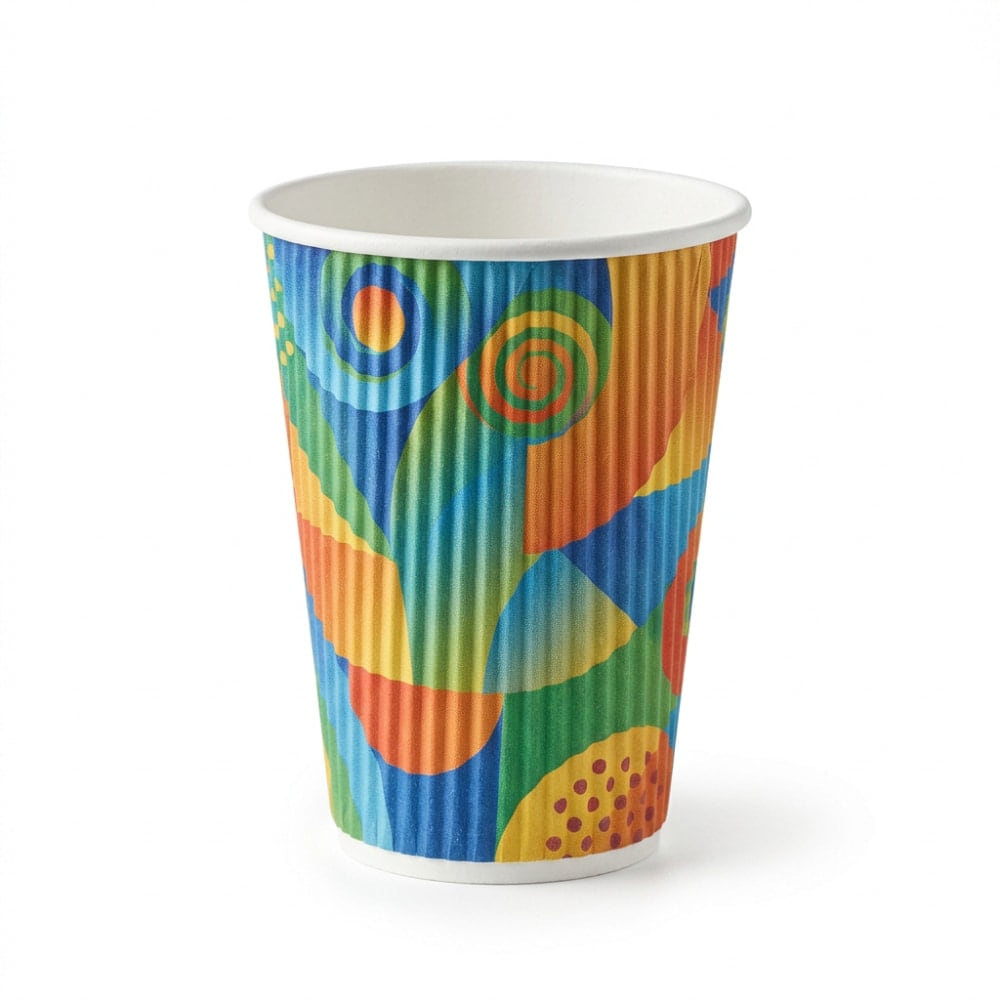
Ripple Wall Hot Drink Cups
A hot-drink handover option where grip and outside-surface experience matter.
Review for the enquiryTrial handling, print on the formed texture, packing footprint and matched lid.
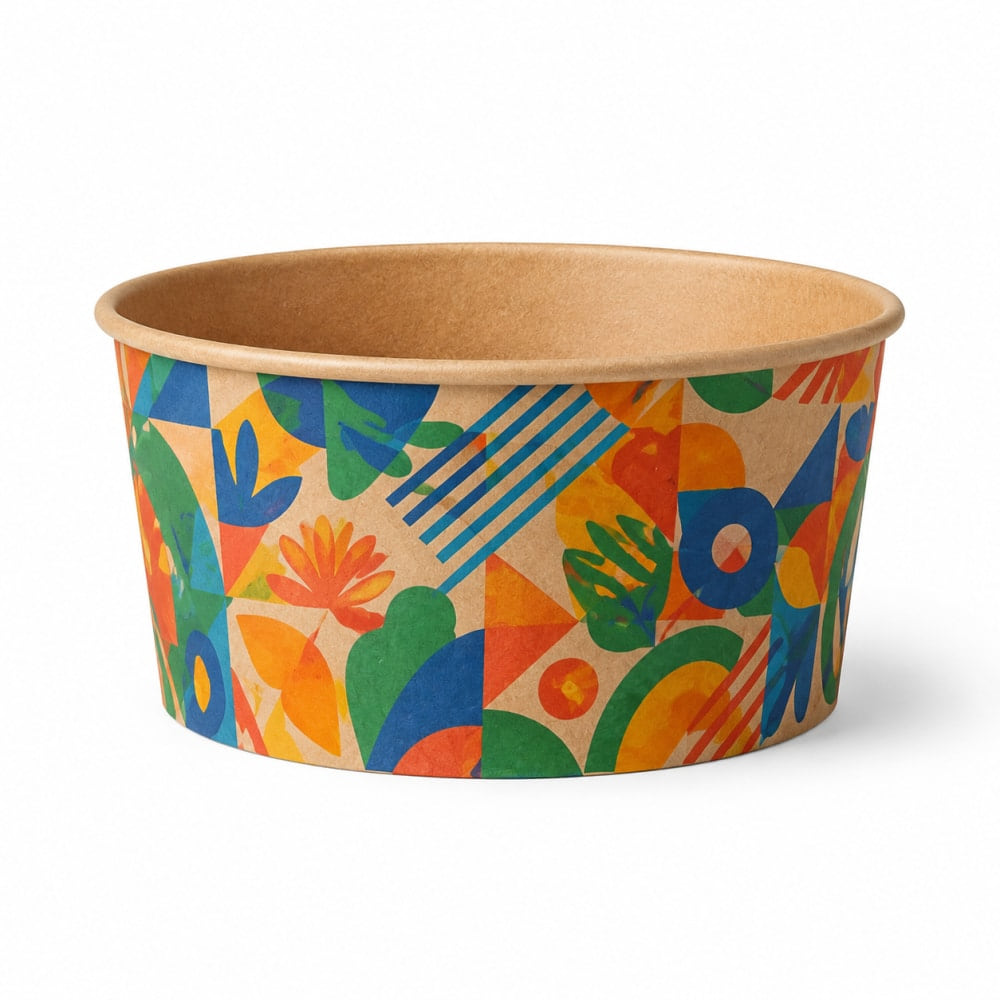
Kraft Paper Salad Bowls
Chilled salad and prepared-food presentation with a stable portion and display routine.
Review for the enquiryTest dressing, condensation, operational label space and closure under actual transport.
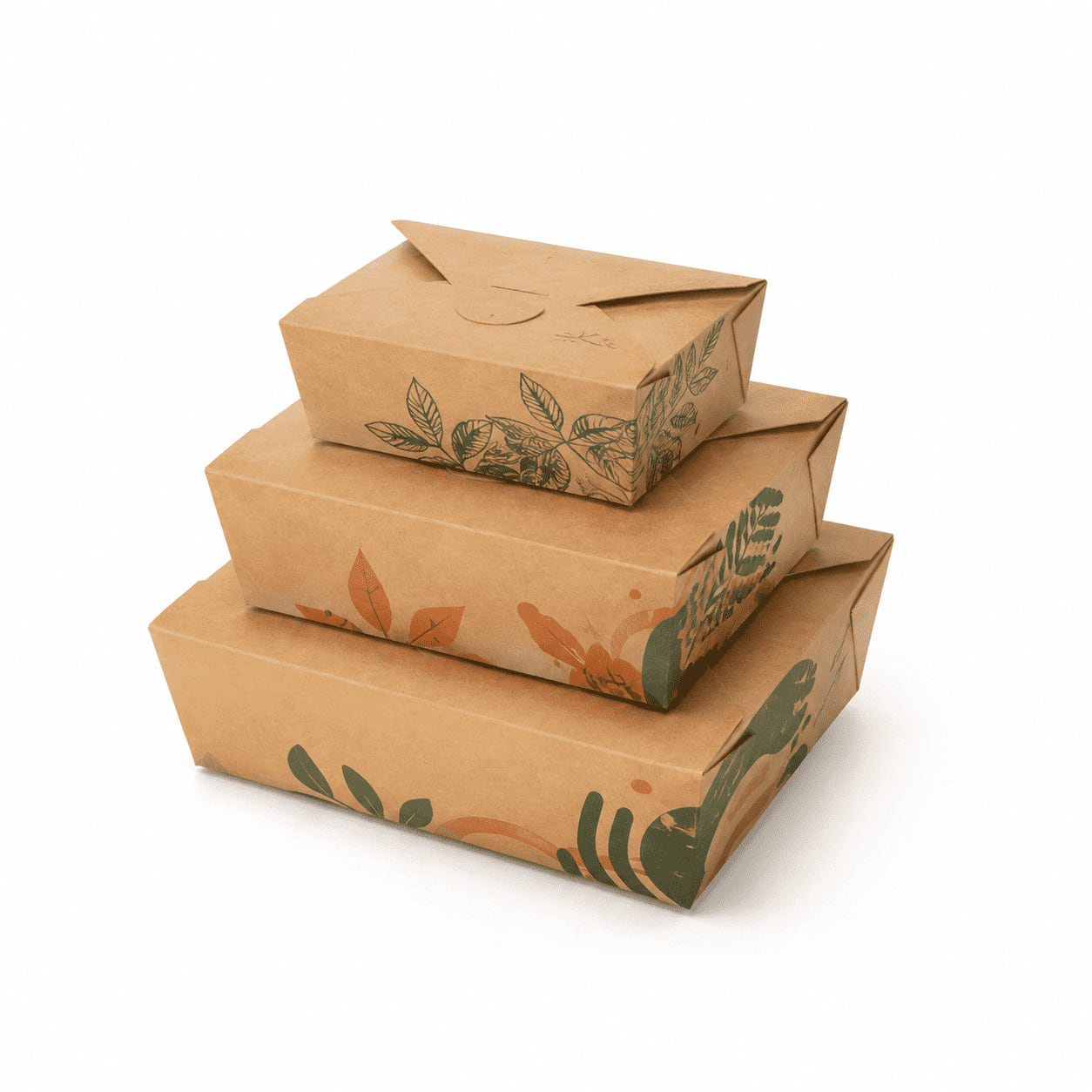
Kraft Paper Lunch Boxes
A repeat prepared-meal or takeaway dish that benefits from a defined box format.
Review for the enquiryReview food-contact conditions, sauce and grease performance, folds, stacking and final label layout.
FAQs: Sourcing Paper Food Packaging in Spain
Is All Paper Food Packaging Exempt from Spain’s Plastic Packaging Tax?
No purchasing decision should rely on the word paper alone. Establish the actual construction, including coating and accessories, and obtain the applicable assessment for the transaction. AEAT distinguishes non-recycled plastic content from the complete weight of a composite product. Keep the material records tied to the approved article and review them if a component changes.
Which Product Should a Spanish Cafetería Customise First?
Start with a repeat takeaway beverage that has a stable fill level and meaningful demand. Test the cup with the actual drink, handover and exact lid. If most beverages are consumed on site, calculate the printed quantity from takeaway use rather than total drinks sold. A dependable single-size programme can be more useful than several speculative designs.
Should a Seasonal Spanish Business Order a Separate Summer Design?
Only after comparing the remaining selling window with the proposed quantity. A stable core design may offer more flexibility across locations and later demand. A seasonal label or sleeve can be considered if it works operationally and remains legible. Include the application labour and any unused balance in the comparison.
Can the Same Paper Bowl Hold Salad and Hot Prepared Meals?
Possibly, but each intended use needs suitable evidence and a practical trial. Chilled dressing, condensation, hot sauce and long contact can challenge the same construction differently. Do not extend a salad approval to hot meals by assumption. Record the permitted conditions so staff and purchasing understand the boundary.
Does an Overseas Manufacturer Complete the Spanish Buyer’s EPR Obligations?
That cannot be assumed from export experience or a delivery term. Map the manufacturer, seller, importer, filler and distributor in the actual flow. Have the current Spanish role assessed and agree which party supplies records or performs each task. MITECO’s register guidance reflects changes associated with PPWR application from August 2026.
What Information Should Be Supplied for an Accurate Spain Quotation?
Provide the food or drink use, size and fill level, material requirements, matching lid, quantity per artwork, print files, destination and receiving conditions. Request component and packing data as needed for review. Ask the seller to separate included and excluded costs, particularly where a quotation stops before final delivery to the operating location.
Can Mainland and Island Orders Use the Same Delivery Assumption?
Use the actual final destination and request the appropriate transport and transaction assessment. An inland warehouse, a mainland port and an island outlet are different receiving arrangements. Compare complete routes and responsibilities without assuming identical customs, tax or onward handling. Keep enough approved stock to cover the replenishment plan agreed for that destination.
How Should a Spanish Buyer Place the Second Order?
Refer to the approved product, material, matching parts and artwork revision. Review the first order’s consumption and stock balance before increasing quantity. Ask for any proposed changes to be disclosed and recheck the affected documentation or trial. The repeat order should preserve what worked while deliberately correcting the issues observed in ordinary service.
Send a Supplier Enquiry for Spain
You can include the menu, quantity by SKU and actual delivery point in your message. Enter your phone number with calling code, email and message, then choose Send Enquiry to submit directly through Zoho Forms. Your name and any product or quantity selections are optional.
Sources and Further Reading
Research checked on 22 October 2026. Official references support the local factual context; comparison frameworks and illustrative scenarios are purchasing guidance.
Product images are from Fude’s existing catalogue. Sample-review scenes are AI illustrations. Confirm the proposed SKU, materials, documents, quantities and commercial terms for the actual order.
 Germany
 United Kingdom
 France