
 Saudi Arabia market guide
Which Saudi Businesses Should Consider Custom Paper Food Packaging?
Custom paper packaging is a useful option for a Saudi business when the menu, brand and demand are stable enough to justify a defined production run. A permanent café programme can be planned around repeated sizes and artwork. A caterer serving a time-bound contract needs a different decision: the packaging quantity and delivery schedule must fit the contracted service period, with an explicit plan for anything left over.
Before discussing a factory price, identify who will import the goods, who reviews the applicable product route and who approves the final Arabic or bilingual artwork. Those responsibilities can belong to different organisations. A technically promising cup can still create a difficult purchase if the importer has not reviewed its classification or if the design remains subject to a client’s approval.
This guide is written for Saudi café groups, foodservice distributors, restaurant operators and caterers comparing a practical paper packaging programme. It explains how to choose the format, establish a relevant evidence file, trial the service and agree repeat supply. Fude’s range can be considered within that comparison, with the precise product and importing requirements confirmed for the proposed order.
Saudi Packaging Procurement: Connect the Menu, Contract and Importing Responsibility
Permanent Outlets and Contract Catering Have Different Stock Horizons
A café group may use its core cup design throughout a long trading period, while an event or pilgrimage-related catering contract can have a defined service window and specific client instructions. Treat those as different inventory models. A common calculation of pieces per year can conceal whether the ordered design will actually be used before a contract or campaign ends.
For a restaurant group, establish whether purchasing is centralised and whether all kitchens use the same meal portion and closure routine. For a distributor, identify the customers committed to each format and which delivery area each stock point serves. For a caterer, name the contract owner whose specification controls the order. These are proposed buying scenarios; the actual service volumes and obligations come from the buyer’s operation.
Resolve the Product Route Before Treating the Quote as Ready to Order
SFDA’s packaging FAQ identifies general food-package requirements and plastic-package requirements among the relevant standards. That is a starting reference for an appropriate product review, rather than confirmation that a particular paper cup, coating or lid already meets every applicable requirement.[1]
Give the importer the full composition and intended-use description early enough to review the actual product. A paper base with a barrier and a separate lid needs more precise identification than paper tableware. The outcome should be a documented route and a list of evidence to obtain before production or shipment, rather than a late request for a generic certificate.
Custom Paper Cups and Containers: Business Fit in Saudi Arabia
The strongest candidate for a custom run can show repeat demand by size and artwork, clear ownership of approval and a workable receiving and stock plan. A small chain can have those controls, while a larger portfolio can lack them if every site orders independently. Assess each programme on what is known and what still needs a trial.
| Buyer | Potential reason to customise | Question to answer before quoting |
|---|---|---|
| Café or bakery chain | Consistent takeaway presentation at several outlets. | Can sizes, lids and artwork be controlled centrally? |
| Restaurant group | A common meal-pack system for repeat menu items. | Does every kitchen pack the agreed portion and food conditions? |
| Contract or pilgrimage-service caterer | A planned range for a named service commitment. | Who owns the requirement, deadline and unused stock? |
| Packaging wholesaler / importer | A private-label range for committed local customers. | Which products and territory are supported by actual demand? |
| Hotel or venue operator | A coordinated guest-service or takeaway set. | Which departments and contracted operators must approve it? |
A new concept can start with suitable locally stocked packaging while its portion and service routine develop. Once one item becomes stable, it can be used to establish the custom approval process. Printing every size at launch may create several low-consumption versions before the business knows which format customers actually use.
For a multi-party contract, list the buyer, brand owner, operator, importer and receiving contact. The person placing the order may not have authority to change the material or artwork. A written responsibility list prevents the supplier from acting on an instruction that another party later rejects.
Permanent Café Branding vs Time-Bound Saudi Catering Contracts
The core comparison is the period over which the design and specification remain useful. A permanent cup range and an event-specific meal box can both be valuable, but they require different approval dates, stock buffers and commercial commitments. Use the calendar of the actual contract rather than an assumed seasonal sales uplift.
| Decision | Permanent café range | Time-bound catering / campaign range |
|---|---|---|
| Artwork life | Keep a stable core identity suitable for repeat use. | Confirm that dates or client branding remain usable for the whole run. |
| Demand estimate | Use outlet consumption by size. | Use the awarded service scope and agreed portions. |
| Order buffer | Relate the buffer to confirmed replenishment uncertainty. | Consider the risk that excess cannot be used after the service. |
| Approval owner | A designated brand and operations team. | The contract or event owner as well as the operator. |
| Reorder decision | Review actual use before the next scheduled run. | Recheck the remaining contract period before adding stock. |
For a hypothetical caterer preparing a fixed number of daily meal services, distinguish the expected pack consumption from spare stock and any components needed only for special menus. If the design belongs to one client, excess cartons may not be transferable to another account. Agree how such stock is owned and valued before authorising a larger quantity for a better factory price.
A café group can make a different choice: a durable logo-led cup may support ongoing reorders while temporary messages are handled separately. The objective is to avoid making the most permanent manufacturing decision depend on the shortest-lived part of the marketing plan. Ask the supplier which design changes require a new setup or minimum quantity.
Reserve Time for the Client’s Approval, Not Only the Supplier’s Production
A deadline can depend on several decisions outside the manufacturer’s control. The catering operator may still be waiting for the client’s menu, the brand owner may require an Arabic proof review, and the importing party may need product information before confirming the route. Put those dependencies into the project calendar with a named owner. A quotation that assumes immediate approval should be updated when the input schedule changes; otherwise the buyer and supplier may appear to have agreed a delivery target while working from different starting dates.
For a permanent café range, an internal artwork register can make this easier: a fixed approved design is reused unless an authorised person issues a new revision. For a client-specific service, record who has the authority to sign off the complete pack and how long that approval remains valid. Avoid treating an operator’s agreement on cup size as the client’s agreement on branding, or a client’s logo approval as acceptance of the material and service performance.
Before committing the custom quantity, review the last practical decision date for the order and the alternative if approval is delayed. A suitable locally stocked item may support part of the service, or the branding method may need to change. Those alternatives should be considered while there is still time to test and approve them, rather than discovered after the manufacturing schedule has become unworkable.
Saudi Distributor Stock vs Direct Manufacturing: Compare the Actual Service
A local distributor can be a practical option where the business needs small, frequent deliveries or a short-term stock format. A direct manufacturing relationship can suit a planned custom assortment whose buyer can manage product review, imports and inventory. The useful comparison includes those tasks and their costs, not only the price of an empty pack.
| Priority | Saudi distributor | Direct manufacturer |
|---|---|---|
| Immediate small orders | Check available compatible stock and delivery coverage. | A new run needs approval, scheduling and shipment. |
| Custom design control | Identify the producer and approval route. | Agree the technical specification and artwork directly. |
| Product-route review | Ask what has been reviewed for the offered SKU. | Give the importer complete information before the order is committed. |
| Inventory commitment | Clarify whether the goods are ordinary stock or reserved custom stock. | Model quantity, storage and ownership for the complete run. |
| Quality problem | Check local response and access to batch evidence. | Agree inspection, investigation and commercial remedies. |
An apparently local supply offer may still be a custom import made for one account. Ask whether the usual cancellation and replacement terms apply. If a distributor will hold the cartons, confirm the call-off period, delivery minimum and the position if a venue closes or a contract ends early.
For direct supply, describe where the goods become usable stock. A port arrival does not include every receiving, inland movement or onward outlet delivery. Review the named delivery basis with the importer and logistics parties, and include a tested local-stock alternative if the service requires a contingency.
Food-Contact Paper Packaging vs General Paper Products: Avoid the Wrong Saudi Conformity Route
Do not select a technical regulation from the word paper alone. The general SASO Paper and Cardboard Technical Regulation expressly excludes food-contact paper products. Its existence therefore cannot be used to claim that all restaurant paper cups, bowls and boxes follow that general-paper route.[3]
| Question | What to establish | Evidence to obtain |
|---|---|---|
| Product identity | Composition, intended use and correct classification. | A precise specification rather than a catalogue category. |
| Food-contact requirements | The rules and standards relevant to the ordered pack. | Applicable documents and test scope assessed by the responsible reviewer. |
| Conformity / platform route | Whether and how the specific product uses the relevant process. | Importer confirmation based on classification and current requirements. |
| Customs entry | Which documents and declarations support the shipment. | Accurate commercial and shipping data for the actual assortment. |
SASO describes a SABER product-conformity-certificate service for products subject to applicable Saudi standards and technical regulations. This describes a service and workflow; it is not evidence that a particular empty paper food container requires or has obtained a specific certificate.[2]
Ask the importing party or qualified reviewer to confirm the applicable route using the exact product and current classification. Keep the result in the buying file. If a supplier changes the material structure or adds a different lid, check whether that change affects the earlier conclusion. This approach prevents an incorrect generic certificate request from delaying the actual project.
Single Wall, Double Wall and Ripple Wall Cups for Saudi Beverage Programmes
Specify the beverage and customer handling before selecting a wall structure. A hot coffee counter, a takeaway cold-drink range and a self-service station can need different checks. Review the complete cup, lid and any sleeve as one service system rather than declaring one construction best for every Saudi café.
| Cup structure | Reason to consider it | Evidence from the trial |
|---|---|---|
| Single wall | A defined beverage specification and a smooth print surface. | Required hand protection, condensation, usable volume and lid fit. |
| Double wall | An additional outer wall for appropriate hot-drink handling. | Comfort at the actual temperature and stack separation. |
| Ripple wall | Textured grip where the service benefits from it. | Arabic / English print clarity, handling and outer-wrap consistency. |
| Matching lid | A critical part of takeaway closure. | Retention during hand-over and the intended carrying conditions. |
Record millilitres and physical dimensions alongside any catalogue ounce reference. A menu promise, a recipe fill line and a nominal cup capacity are different things. Allow the necessary space below the lid for the drink and preparation method. Check that staff can reproduce the fill consistently during a busy service.
Where drinks are carried between an indoor counter and an outdoor collection point, include that route in the trial. Describe the observed conditions instead of assuming a general climate statement establishes product performance. The supplier should confirm the intended use of the construction being quoted and disclose any difference between the sample and production proposal.
Paper Bowls vs Lunch Boxes for Saudi Restaurant and Contract-Catering Meals
Start the container decision with the filled meal. Portion size, sauce, oil, free liquid, holding and the order’s carrying arrangement can change which format works. A bowl selected for a chilled salad should not become the automatic container for a hot liquid-rich meal simply because its nominal capacity is similar.
| Application | Candidate structure | What to check |
|---|---|---|
| Chilled salad or fresh-food portion | Bowl and appropriate separate lid. | Dressing, visibility, cold holding and loaded stack. |
| Compatible prepared meal | Folded lunch box. | Closure, condensation, oil and base rigidity. |
| Multi-component catering order | Specified main pack plus suitable separate components. | Whether foods remain properly separated during the real service. |
| Snack / quick hand-over | Suitable open tray or snack pack where the use permits. | Eating access versus protection during carrying. |
For a catering programme, reproduce the interval between filling and the diner receiving the meal. Include staging, transport and any receiving-site handling. The pack may be moved by people who did not fill it, so make the approved stacking and closure routine simple enough to communicate. Record the conditions and the result, not just a photograph of a freshly filled meal.
Where the business intends hot holding, chilled storage or reheating, put those conditions in the brief and obtain relevant confirmation. Keep an approved-use list by SKU so kitchens do not treat every paper box as interchangeable. A purchasing standard should make the intended use clear to the staff who make the final packing decision.
Coated Paper, Lid Materials and Sourcing Claims for Saudi Foodservice Buyers
The product specification should describe everything relevant to food contact and handling: paperboard, barrier, print, adhesives and the separate lid. A kraft appearance does not identify the barrier. Ask for the structure actually offered for the chosen size, not a general description of materials available somewhere in the catalogue.
Keep Different Kinds of Evidence Separate
Food-contact evidence, fibre-sourcing documentation, compostability support and local conformity paperwork answer different questions. A logo supporting one characteristic should not be used as proof of all the others. For a claim to appear in Arabic or English artwork, establish exactly which product and components the evidence covers and whether the wording is appropriate for the intended market.
If a client requests a particular material policy, have that policy translated into an achievable specification and evidence requirement. Do not ask the manufacturer merely to supply something green. If the client requires information about ingredient or process origin for its own assurance programme, identify the exact request and review it with the supplier rather than asserting that every paper cup needs a universal halal certificate.
Validate Any Proposed Alternative Before Changing the Range
An alternative coating can affect performance, documents and the previously selected product route. Ask whether it is available in the ordered format and quantity, obtain a relevant sample and review the consequences before approving substitution. Keep the original and replacement specifications distinct so the next order is not based on an ambiguous product name.
How to Assess a Packaging Manufacturer for Saudi Repeat Supply

A manufacturer should be evaluated against a defined product and cooperation process. Ask who controls the significant production stages, which samples represent the quoted construction and how a later change is approved. A company presentation is useful background, but the buying decision needs evidence linked to the pack being ordered.
| Review point | Information requested | Decision supported |
|---|---|---|
| Production responsibility | Location, process scope and outsourced stages. | Who can control and investigate the agreed product. |
| Document relevance | SKU and material scope of the proposed evidence. | Whether the local reviewer has the right file. |
| Sample consistency | Any difference from the final structure or print. | What the trial can actually approve. |
| Repeat production | Material and artwork change-control process. | Whether the approved version survives reordering. |
| Issue handling | Batch identification, inspection and remedy terms. | How a receiving or service problem is resolved. |
A distributor should test the supplier’s ability to provide useful product data as well as attractive samples. If the manufacturer cannot identify a lid reference or explain a document’s scope, the local buyer may struggle to complete its own review. Make missing information visible before placing a production order and assign an owner to resolve it.
For a first relationship, choose a representative core programme with observable acceptance criteria. Review the delivered result, documentation and communication before adding many formats. A successful cup batch does not prove a different meal box construction, and a resolved printing issue does not automatically address food performance or an importing question.
Arabic and Bilingual Custom Printing for Saudi Café and Catering Packaging
The buyer should supply final approved wording and identify who can authorise a change. Arabic reading direction, font support and line breaks should be checked by a competent reviewer. English text, product descriptions and claims need the same care. The printer’s production advice cannot replace approval of meaning and market suitability.
Review the Design on the Physical Package
Assess the full layout at actual size: logo, mandatory information where applicable, seam, fold, closure and lid position. A flat screen image can conceal how much of the design becomes difficult to read when a cup is held or a box is folded. Fine text on a ripple surface may need adjustment even if the same file looks clear on a smooth cup.
For a multi-concept group, decide whether every outlet needs separate artwork or can share a core identity. Each version should have a unique reference and forecast. If a contract uses the client’s name, confirm the scope and period of artwork permission and the plan for remaining printed stock. Do not assume another customer can take over that inventory.
Make Print Acceptance Specific
Agree the relevant proof or sample, colour references and the method for assessing production. Distinguish digital placement approval from a physical print result. Keep a final artwork register with the purchase order and retained samples, so a future run is checked against the same revision rather than a similar file found in an email thread.
Sample Approval for Saudi Foodservice Operations
A sample trial should reproduce the service the packaging is being bought for. Include actual staff, normal portions and the sequence from filling to final hand-over. Document the sample’s construction and any difference from the proposed production product before relying on the result.
Use Observable Acceptance Conditions
For a hot drink, assess filling, handling, lid retention and any sleeve under the agreed conditions. For a meal, assess the portion, sauce, closure, waiting period and loaded carrying. Record failures that would matter to the service, such as unacceptable leakage or closure release. Avoid a vague statement that a pack passed a general heat test when the method and use are not defined.
If the programme involves several kitchens, ask whether the trial site represents the others. A highly experienced team can make a difficult pack work through extra handling that another site will not reproduce. Include any required staff instruction and confirm whether that instruction is practical for the planned rollout.
Keep the Sample Linked to the Order
Retain the approved reference, product specification, test notes and artwork. Decide what will be checked before shipment and on receipt. If a correction is made, identify what changed and whether the affected test needs to be repeated. A written baseline allows both parties to distinguish a real deviation from a difference that was already disclosed and accepted.
Saudi Landed Cost and MOQ: Compare the Complete Purchase
Request the minimum production quantity for each size, structure and artwork. A combined shipment can contain many items without making their production minima interchangeable. Ask which setups, samples and components are included, and compare the same specification and delivery scope before negotiating the price.
| Cost group | Include | Question to resolve |
|---|---|---|
| Product and print | Pack, lid, sleeve if needed, setup and proofs. | Are all required components included? |
| Product-route review | Applicable documents, assessment and responsible local work. | What is required for the actual classification? |
| International shipment | Carton volume, weight, freight and the named place. | Does the quotation end before local receiving? |
| Import and inland delivery | Current duties / taxes as applicable, brokerage and warehouse movement. | Which party has confirmed the actual treatment and tasks? |
| Inventory | Storage, stock months and unusable campaign versions. | Can the business consume the quantity while the design remains useful? |
ZATCA’s import instructions identify commercial documents and direct buyers to check product-specific conditions through the tariff information or their customs broker. Use that route for the actual assortment rather than assuming a generic paper-packaging classification or guaranteed clearance time.[4]
For a fixed-term contract, compare the economic effect of unused packs as well as the delivered unit cost. A larger run can reduce the quoted price but leave cartons after the service has ended. Agree whether unused inventory is owned by the operator, client or distributor and how any call-off commitment works.
Saudi Warehouse Delivery and Regional Replenishment Planning
Describe the final receiving point and onward distribution, not only the port. A warehouse supplying one urban area and a contractor distributing meals or packs to several sites can require different stock and handling arrangements. Ask the logistics team for the real receiving and delivery constraints before fixing an arrival target.
Build the Schedule from Approvals Through Usable Stock
Separate artwork, sampling, product-route review, production, international shipment, entry and inland receiving. Some activities may overlap; others depend on a completed approval. Ask for a dated project plan with clearly owned inputs. A production estimate or a broker’s service indication should not be converted into a promised delivery date for the whole programme.
Record stock by component, artwork and destination. Lids can run short while cups remain, and campaign-specific boxes can appear in a general stock total even when they are no longer usable for the next contract. Include goods in transit and stock already distributed to sites when deciding what to reorder.
Choose a Reasoned Buffer and a Tested Fallback
Use expected consumption during confirmed replenishment time plus an explicitly chosen buffer as a planning relationship. The buffer depends on the programme’s uncertainty and service importance. Agree which compatible local-stock product can be used if an exception occurs, and give receiving and kitchen teams the same approved substitution instructions.
From a Saudi Supplier Enquiry to an Approved Repeat-Order Programme
The first enquiry should explain the menu, format, intended conditions, quantity by SKU and artwork, importing party, delivery location and service calendar. Ask the supplier to identify assumptions and missing data. A useful proposal narrows the choice to an identifiable product and a clear set of approvals rather than promising suitability for every type of catering.
| Gate | Decision | Record to retain |
|---|---|---|
| Scope agreement | The programme and responsibility split are understood. | Requirement sheet and named approval owners. |
| Technical and sample review | The proposed pack fits the intended service. | Specification, evidence file and trial results. |
| Commercial order approval | Quantity, artwork and terms are agreed. | Signed order, revisions and delivery basis. |
| Receipt and first-use review | The supplied batch performs as approved. | Inspection, service observations and corrections. |
For a contract programme, obtain the client’s decisions before the final manufacturing commitment. For a permanent café range, align brand and operations approval before the design is released. Keep unresolved points visible and assign dates to the work needed from the importer, reviewer and manufacturer. This reduces late changes that can make an otherwise reasonable schedule unworkable.
Review the first delivery as a complete cooperation: product, documentation, carton accuracy, receiving and issue response. Update the forecast with actual use and record any approved changes. Repeat orders should refer to a defined version, with a process for substitutions and a new review when the format, food or importing arrangement changes.
Three Saudi Packaging Briefs That Lead to Different Supplier Decisions
For a hypothetical Riyadh café group, choose the core cup using real recipe volumes and the staff’s lid-fitting routine, then confirm the approved Arabic and English artwork. Forecast by outlet and size. If new outlets are planned, distinguish their uncertain launch requirement from consumption already observed at trading stores. A single confident forecast for the whole expansion can hide the stock risk of the least-used cup size.
For a Jeddah-based distributor supplying several catering customers, the priority is a documented assortment that can be traced through local deliveries. Confirm the product route with the importing party, maintain a component and batch master and ask customers to commit demand for private-label items. A broad range is useful only when each SKU has a defined customer use, documentary scope and replenishment plan.
For a time-bound catering contract associated with a pilgrimage-service programme, begin with the awarded menu, approved operator instructions and receiving locations. Separate core packaging from items required only for a particular service day or client design. The contract owner should approve the remaining-use period and the excess-stock plan. These details affect whether a larger custom run, a staged purchase or suitable local stock is the better commercial choice.
These examples demonstrate the decisions to collect; they do not claim particular customer numbers, supplier contracts or consumption levels. A buyer can adapt the same briefing method to its own operation by naming the food, service sequence, importing responsibility, approval owner and stock horizon. Those inputs allow a manufacturer such as Fude to be compared fairly with local and other overseas alternatives.
FUDE Product Options for Buyers in Saudi Arabia
Use these existing catalogue items as starting points for a written specification and sample review. Confirm the proposed structure, available options and supporting documents for the actual order.

Custom Single Wall Paper Cups
A candidate for a defined café beverage programme after product-route and intended-use review.
Review for the enquiryActual fill volume, barrier, lid, sleeve needs and final Arabic / English artwork.

Ripple Wall Hot Drink Cups
A candidate for hot-drink hand-over where texture and grip have a clear service benefit.
Review for the enquiryPrint legibility, normal-temperature trial, stack handling and approved lid.
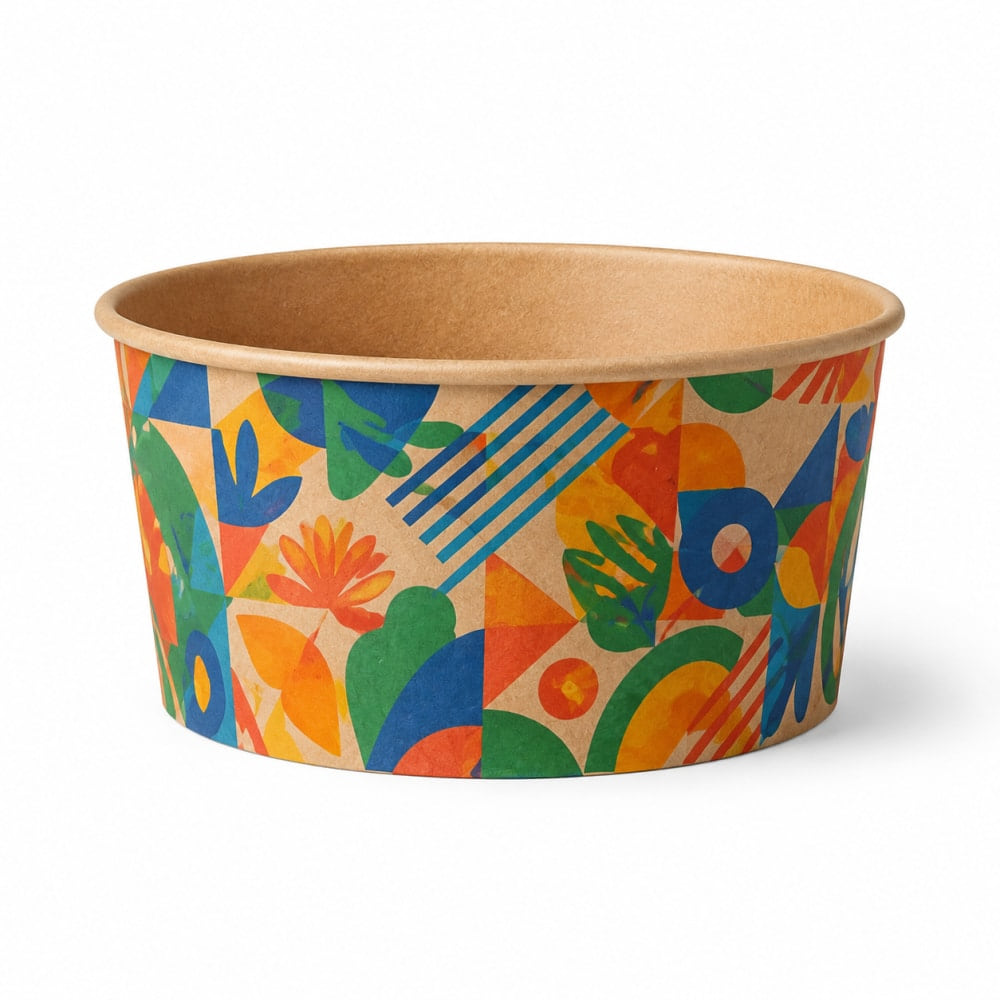
Kraft Paper Salad Bowls
A candidate for a specified fresh-food or catering portion using a matched closure.
Review for the enquiryBowl and lid composition, food conditions, dressing contact and loaded carrying.
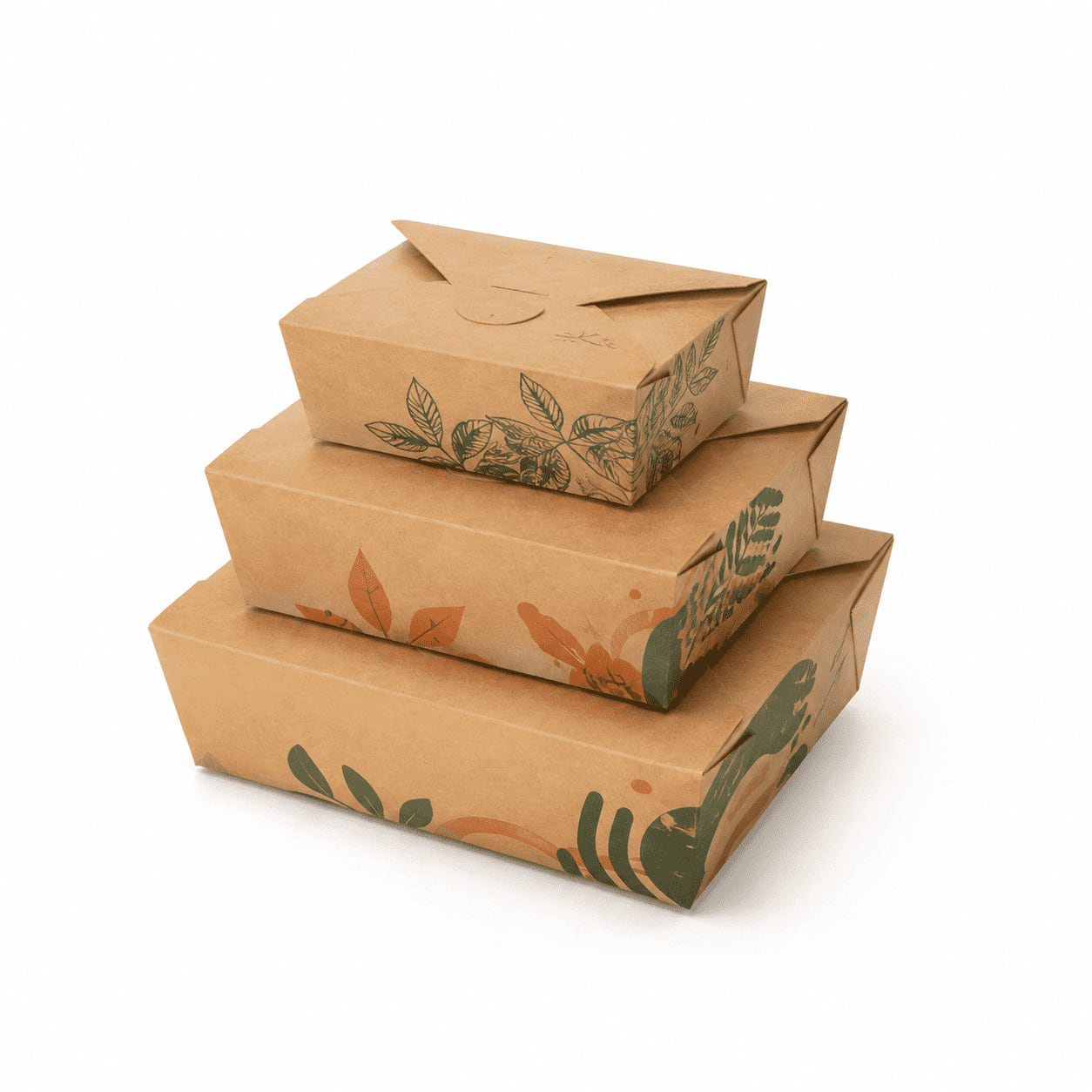
Kraft Paper Lunch Boxes
A candidate for a repeat prepared-meal service whose food conditions suit the folded structure.
Review for the enquiryClosure, oil and moisture, time to hand-over and client / importer approval scope.
FAQs: Sourcing Paper Food Packaging in Saudi Arabia
Does Saudi Arabia’s General Paper and Cardboard Regulation Automatically Cover Paper Cups?
No. The cited general regulation excludes food-contact paper products. Establish the exact product identity and applicable food-contact and conformity route with the responsible importer or qualified reviewer. Do not choose the route solely from the word paper in the catalogue.
Is SABER the Same as Food-Contact Approval?
Treat the questions separately. SASO describes conformity services for relevant products and technical regulations, while food-contact suitability concerns the actual structure and use. The importing party should confirm which process and documents apply to the exact classification.
Does Every Paper Cup Need a Halal Certificate?
Do not make that blanket assumption. Identify the applicable product requirements and any specific customer assurance request. If information about materials or process origin is requested, define the evidence needed and review it with the supplier and responsible local team.
How Should a Caterer Plan a Short Seasonal Order?
Use the contracted menu, service dates and approved artwork, then assess how much can be consumed before the programme ends. Compare a custom run with staged buying or suitable local stock. Agree who owns any remaining client-branded inventory.
Can Several Café Concepts Share One Custom Cup Run?
They may share a physical specification, but different artwork can create separate setups and minima. Confirm quantity by size and design, the approval owner and which concepts can actually use the same printed version. Keep distinct revisions identifiable.
What Should Be Tested Before Buying Paper Lunch Boxes?
Use the normal meal, portion, sauce, holding and carrying routine. Review closure, moisture, oil and handling rigidity under those conditions. If several kitchens will use the item, check that the approved routine is realistic across them.
How Can a Saudi Buyer Compare a Local Quote with a Factory Quote?
Compare the same specification and delivered scope, including components, stockholding, product-route work, import tasks and inland delivery. Ask who performs the missing tasks and who owns reserved custom stock. A factory unit price is not the same service as a delivered local replenishment price.
What Makes a Useful First Enquiry to a Manufacturer?
Provide menu and food conditions, format, quantity per SKU and artwork, final wording, importing party, receiving point and service deadline. Include the approval process and relevant evidence needs. Ask the supplier to identify assumptions, sample differences and the steps required before production.
Send a Supplier Enquiry for Saudi Arabia
You can include the menu, quantity by SKU and actual delivery point in your message. Enter your phone number with calling code, email and message, then choose Send Enquiry to submit directly through Zoho Forms. Your name and any product or quantity selections are optional.
Sources and Further Reading
Research checked on 22 October 2026. Official references support the local factual context; comparison frameworks and illustrative scenarios are purchasing guidance.
Product images are from Fude’s existing catalogue. Sample-review scenes are AI illustrations. Confirm the proposed SKU, materials, documents, quantities and commercial terms for the actual order.
 United Arab Emirates
 Germany
 United States