
Fude Packaging / Samples & Ordering
Sample First.
Order with Clarity.
Choose the right sample, record your approvals and plan the steps to bulk supply.
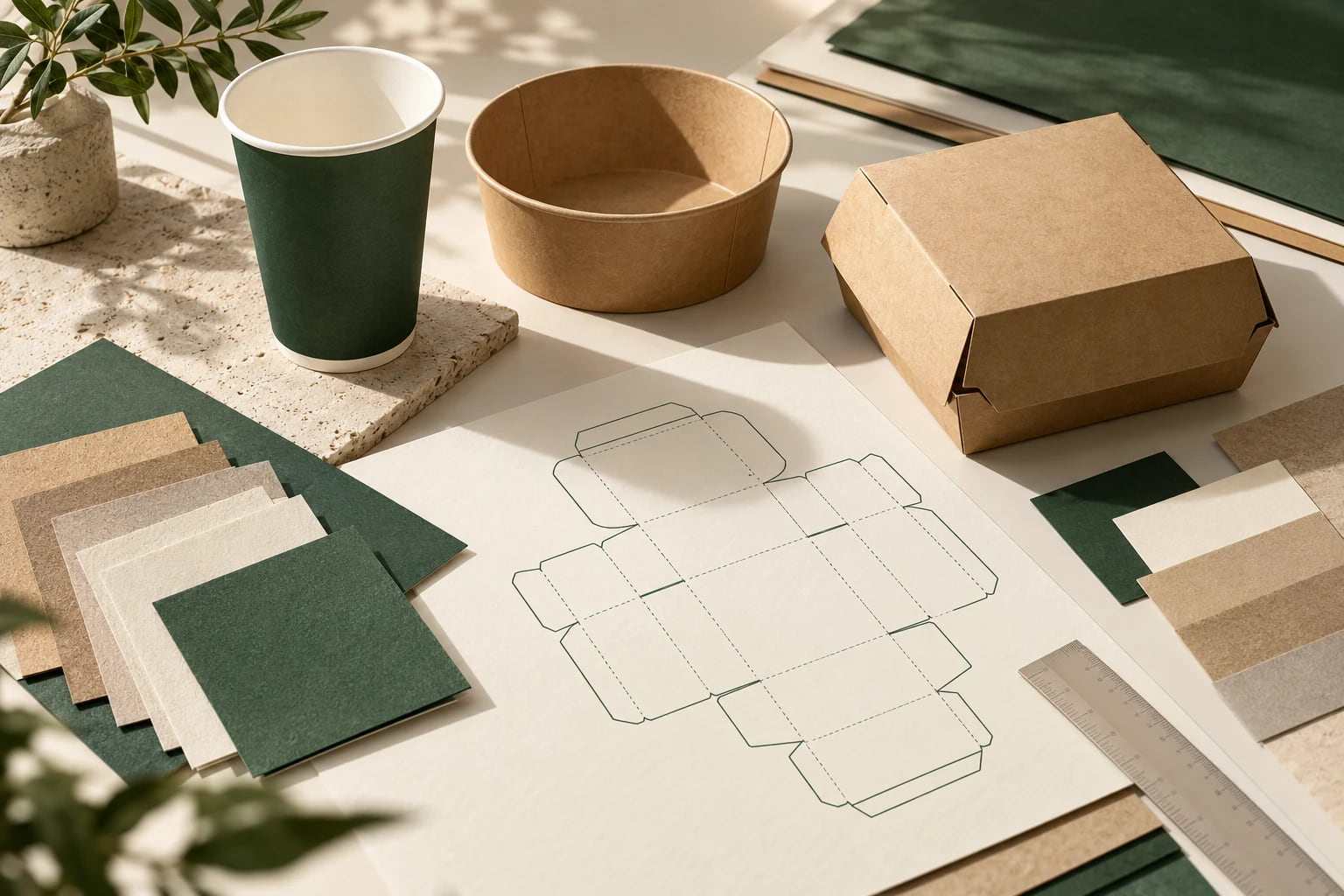
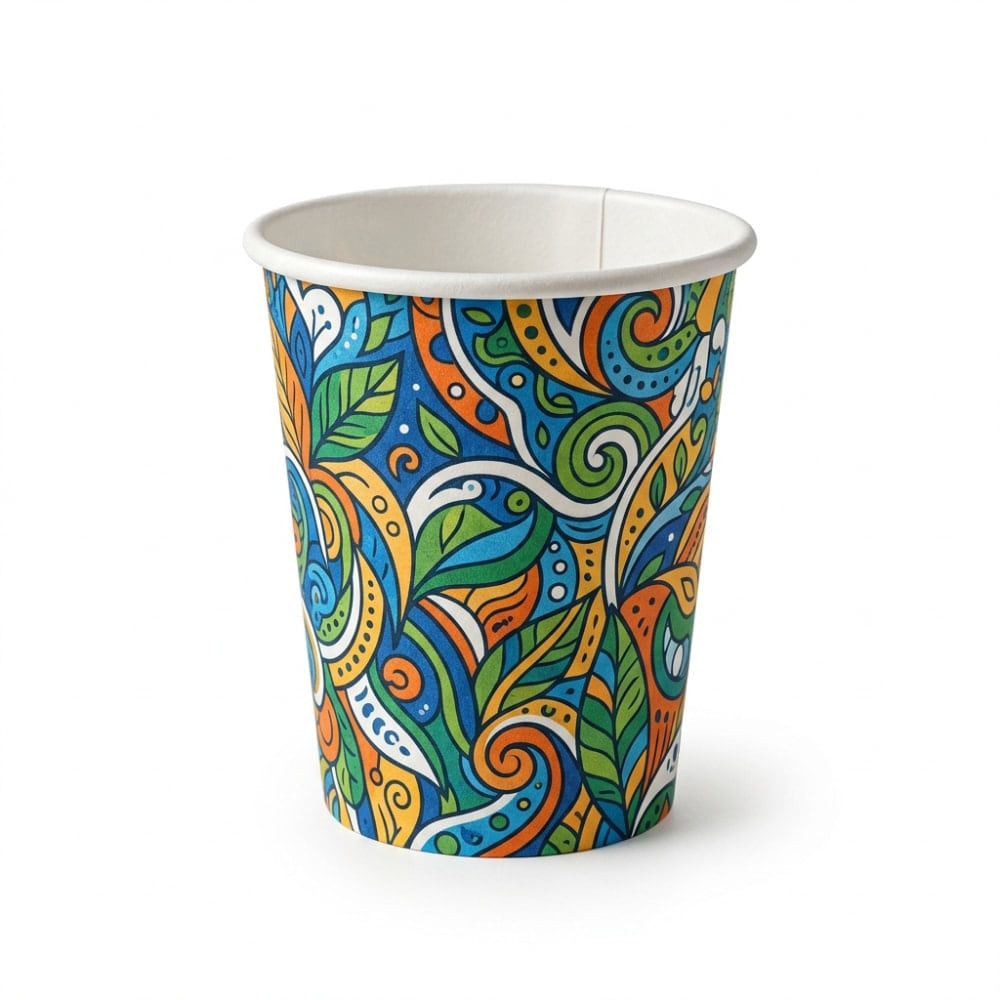
Choose the Sample for the Decision.
A reference sample, a printed sample and a pre-production sample answer different questions.
Understand the Format.
Use a relevant existing sample to review the overall structure, handling and compatibility questions before defining the final configuration.
- Best for
Initial size, structure, fit and material discussions.
- Confirm first
Which configuration is supplied, its differences from your request, availability, fees and courier arrangements.
- Approval boundary
A reference sample does not automatically approve a later material, artwork or structural change.
Review Your Brand on the Pack.
Agree the sample process before using it to assess print. The sample method and substrate affect what can be compared with production.
- Best for
Artwork placement, text, graphics and the agreed physical colour review.
- Confirm first
Dieline, artwork version, process, cost and which features represent the proposed production.
- Approval boundary
Separate artwork approval from functional testing and final mass-production approval.
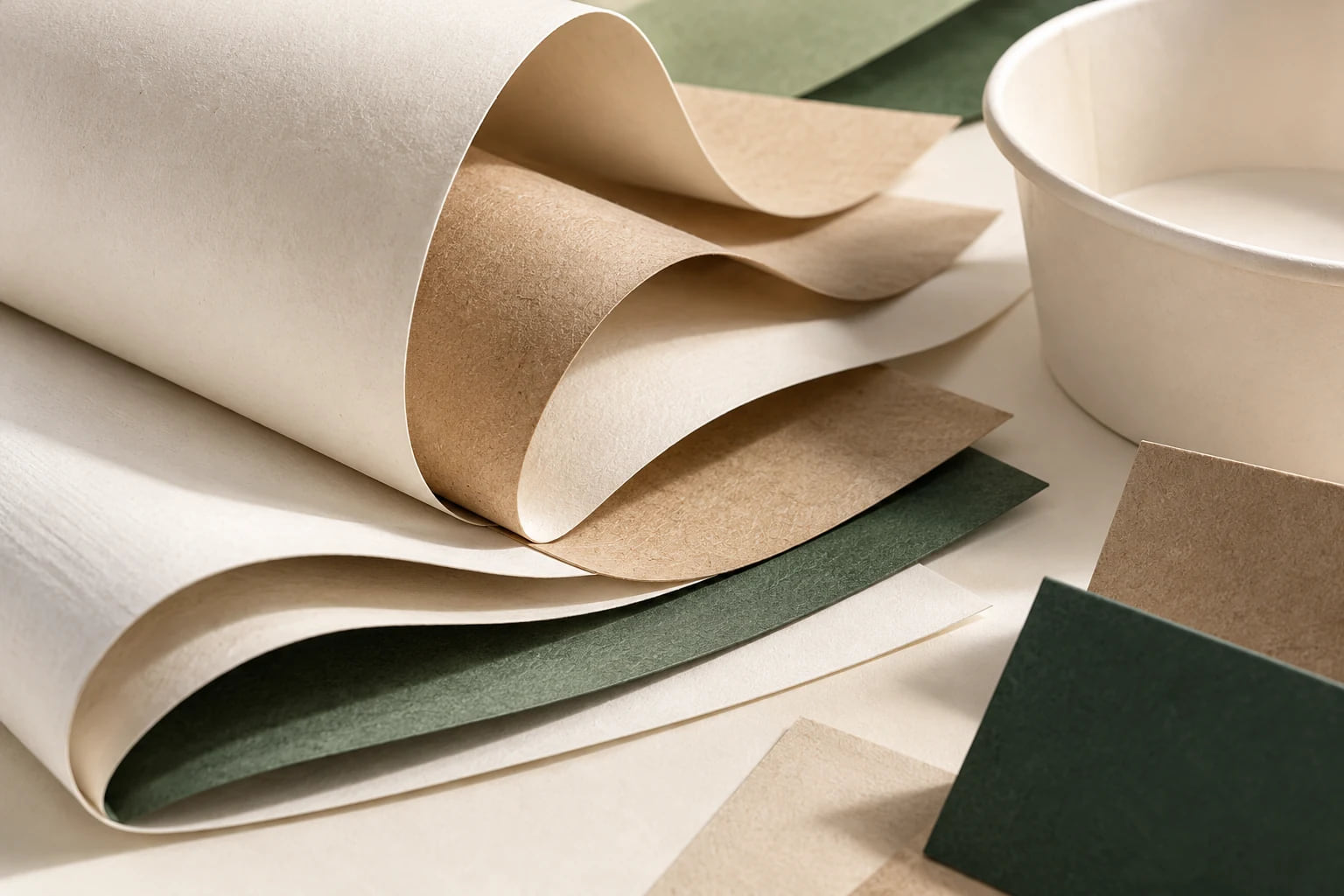
Lock the Proposed Configuration.
Review the agreed product construction, components, artwork and packing before releasing the order under the confirmed approval process.
- Best for
Final specification review, intended-use trial and the agreed acceptance reference.
- Confirm first
How the sample is produced, any remaining differences and the production-release conditions.
- Approval boundary
Record the approved version and any exceptions. Changes after approval require a new review.
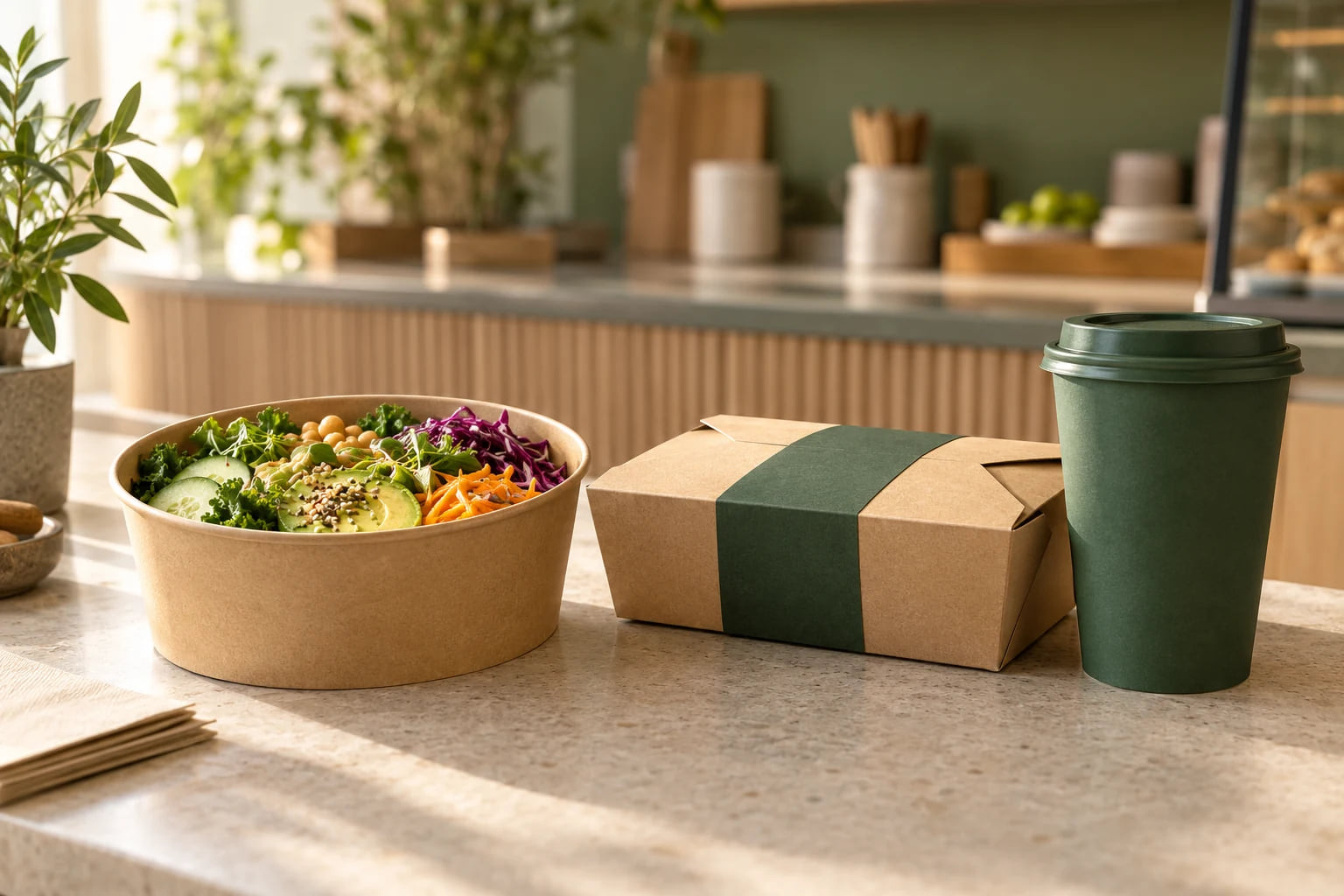
From a Sample to a Recorded Decision.
Compare the proposed pack with the way your team will actually use it.
Prepare the Reference
Review the Cup
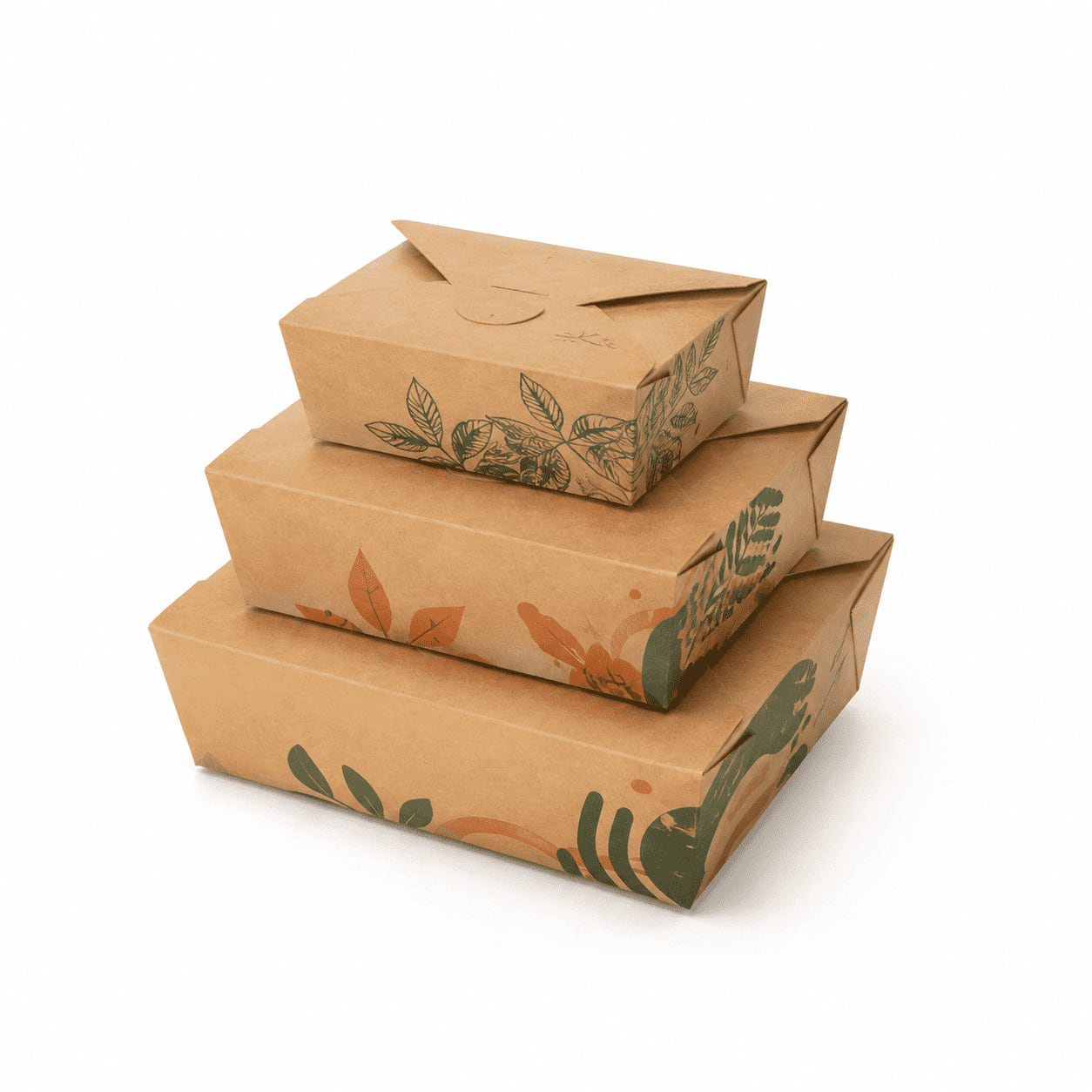
Evaluate the Container
A Clear Path from Enquiry to Dispatch.
The exact schedule is agreed for your product, artwork and destination.
Brief & Quotation
Identify the product, quantity by SKU, print, destination and target date. Review the proposed specification and commercial quotation.
Confirm: scope, quantity and termsSample & Approval
Review the agreed sample and documents. Record changes, then approve the final specification and artwork.
Confirm: approved referenceProduction & Inspection
Release the order against the confirmed requirements. Review the agreed inspection and packing information before dispatch.
Confirm: acceptance and releaseShipping & Reorder
Check shipment documents, receiving requirements and the delivery arrangement. Keep the approved SKU record for the next order.
Confirm: handover and repeat versionPlan the Full Lead Time.
Work backwards from your required receiving date, including approvals and transport.
What belongs in the project schedule
Specification & Artwork
What Affects It
Number of SKUs, language versions, dimensions and open technical questions.
What to Confirm
Who approves each item and when the files become final.
Keep this decision with the approved SKU, sample and artwork record.
Sampling
What Affects It
Sample type, proposed process, revisions and courier destination.
What to Confirm
Production time, shipping arrangement and decision deadline.
Keep this decision with the approved SKU, sample and artwork record.
Bulk Production
What Affects It
Final configuration, order size, artwork changes and production availability.
What to Confirm
The schedule basis and when the production window begins.
Keep this decision with the approved SKU, sample and artwork record.
Transit & Receiving
What Affects It
Route, destination, shipping arrangement and receiving constraints.
What to Confirm
The quoted transport scope and estimated arrival basis.
Keep this decision with the approved SKU, sample and artwork record.
Look Beyond the First Impression.
Fill and close the pack using the intended food and routine. Observe the usable space, closure, handling and visible changes over the agreed holding period. A labelled sample and written review are more useful than an unrecorded first impression.
Make a Sample Request Useful.
The best sample brief connects the product to a real use condition.
Tell Us What Goes Inside
Include the food or beverage, serving portion, filling conditions, hold time and whether the pack is eaten from immediately or carried.
Include the Matching Parts
Specify the lid or closure and share any existing component that the new pack must work with. Ask for the intended assembly to be reviewed together.
State the Decision
Explain whether the sample is for format selection, print approval, functional evaluation or final order release.
Name the Destination
Provide the sample receiving country and city, along with the target bulk-order destination. Confirm courier, sample fees and any import arrangements before dispatch.
Keep Your Sample Review Consistent.
Use a simple worksheet to record the proposed SKU, sample differences, trial conditions and approval decision.
Sampling and First-Order Questions.
Are Samples Free?
Sample charges, custom-printing or tooling costs and courier costs depend on the request. Confirm the written arrangement before proceeding, including any credit or refund terms that have been explicitly agreed.
Can I Order a Small Trial Batch?
Share the quantity and purpose. Sample evaluation and a commercial production order are different. Any trial production must be assessed against the proposed specification and confirmed MOQ.
How Do I Avoid Approving the Wrong Version?
Assign a reference to each sample and artwork version. Note any differences from the proposed bulk configuration. Keep the written approval, drawing and packing details together with the order.
Ready to Evaluate a Sample?
Tell us which product and decision the sample should support, plus your intended bulk order.
Bring the Discussion Back to the Product
Move from your buying brief to the product formats and specifications worth reviewing.