
 Australia market guide
What Makes a Custom Paper Packaging Programme Work in Australia?
A useful Australian packaging programme connects three decisions: the serving occasion, the destination state and the stock arrangement. Begin with the food or drink that repeatedly needs a pack. Establish the complete construction, including the lid, and check that it fits the relevant destination rules. Then compare the printed quantity with actual consumption and the cost of supplying each operating location.
This is particularly important for a business buying centrally for several states. A common logo does not establish that every component can be sent to every outlet. A national-looking catalogue description can conceal differences in state product categories and exclusions. A café group should therefore approve products by use and destination, while keeping the customer-facing brand coherent.
Custom packaging is most useful when there is enough stable demand to consume the chosen product without forced substitution. It may be less attractive for a short trial menu, an uncertain event or a site with little storage. This guide compares those choices, explains practical cup and food-container tests, and sets out how to establish a controlled supplier relationship without relying on unsupported delivery, price or environmental promises.
Which Australian Businesses Should Consider Branded Paper Cups and Takeaway Packs?
A café can start with a frequently ordered takeaway drink. A lunch operator can start with a stable meal portion. A caterer may need a consistent customer presentation across planned functions. A distributor needs clear application boundaries and a stock range its customers can reorder. These cases have different quantity patterns, so they should not share a single assumption about the right manufacturing run.
| Buyer | Strong reason to customise | Reason to use a smaller or stocked option |
|---|---|---|
| Independent café | Repeat beverage volume and a tested cup-and-lid combination. | Size mix is uncertain or reusable/on-site service accounts for most drinks. |
| Takeaway or delivery group | Core menu with recurring transport conditions. | Recipes or serving formats are changing quickly. |
| Caterer or event operator | Confirmed functions with predictable service and destination. | A one-off forecast leaves a large dated balance. |
| Multi-state hospitality buyer | A controlled range can reduce variation between approved sites. | No state-by-state article assessment has been completed. |
| Regional distributor | Customer demand supports a defined private-label assortment. | The proposed range combines too many weak-selling variants. |
For a group, consolidate only the demand for genuinely interchangeable products. Two locations can sell similar meals while using different portion shapes, labels or delivery bags. Visit or consult the operating sites before choosing a common pack. A product that looks efficient in purchasing can create extra handling or waste at the counter.
For a distributor, decide how customers will distinguish the articles. Product references, lid matches, carton quantities and intended uses belong in the range plan from the beginning. A private-label design should make the assortment easier to understand and maintain.
Australian Single-Use Packaging Rules: Build a Destination-State Check
Australian state and territory restrictions must be checked for the actual article and use. Victoria’s EPA explicitly notes that bans differ between states. Its listed products include plastic-lined paper plates and expanded polystyrene foodservice items; the treatment of those categories should not be extended by assumption to every paper cup or box. [2]
| Destination example | Current source focus | Procurement action |
|---|---|---|
| Victoria | Prescribed products, partly plastic construction and stated exceptions. | Classify the particular cup, bowl, box and accessories instead of using a broad paper label. |
| Western Australia | Plastic and partly plastic items, with particular lined-paperboard exclusions. | Review body and lid separately against the exact item category. |
| New South Wales | Existing requirements plus a staged Plastics Plan 2.0. | Distinguish the rule effective for the order from a later policy milestone. |
| Other states or territories | The current official guidance for the final supply location. | Add that location to the approval record before stock is allocated. |
Use the matrix as an operational document. Record article reference, construction, use, destinations, evidence reviewed and review date. If an outlet changes state or a wholesaler starts supplying a new region, assess that destination before sending stock there. This prevents a central warehouse from treating all cartons with the same artwork as universally interchangeable.
The table is an approach to purchasing, not a complete legal comparison of all jurisdictions. Where a category is uncertain, give the reviewer the entire construction and the way the item is supplied. Marketing names such as takeaway bowl or eco cup may not match the regulatory definition.
WA Coffee Cup Approval vs a Generic Paper Cup: Why the Difference Matters
Western Australia provides a particularly useful example of why material detail matters. The current Plan for Plastics includes items made wholly or partly from plastic, including linings and coatings, and describes exclusions for certain certified lined-paperboard items. An exclusion is article-specific, rather than a blanket approval for all products carrying a compostable claim. [3]
The WA coffee cup guidance distinguishes certified compostable paperboard cups from their lids: the described cup exclusion does not make a plastic lid acceptable. Assess and document the exact lid separately. A cup certificate alone cannot describe a complete takeaway drink system. [4]
| Comparison | Generic paper-cup purchase | Destination-approved system |
|---|---|---|
| Body construction | Accepted from a familiar paper appearance. | Material and relevant whole-article evidence are identified. |
| Lid | Chosen later by nominal diameter. | Exact construction, fit and destination eligibility are checked separately. |
| Distribution | Sent to each outlet under one catalogue description. | Allocated only to the destinations included in the approval. |
| Changes | A coating or lid substitution is treated as equivalent. | The affected state review and practical test are repeated. |
This does not mean a buyer should assume all states require the same certification or the same product. It means the purchasing file must explain why the chosen system works at the actual site. A multi-state group may keep one visual identity while approving different constructions where necessary. Staff and warehouse labels should make those variants easy to identify.
Existing Bans, Exemptions and Future Australian Policy: Read the Dates Correctly
A plan, a transition period and an effective ban are different purchasing facts. NSW EPA’s current Plastics Plan 2.0 describes actions staged between 2026 and 2030. Use the relevant enacted requirements and confirmed implementation for the order, while treating later roadmap measures as a reason to review stock exposure. Do not describe the plan as a 2026 national ban on paper coffee cups. [6]
Do Not Assume Old Stock Can Always Be Sold Through
WA’s exemption page, updated in September 2026, restricts transitional-supply applications for specified lined-paperboard hot cups and trays from September 2025, and specified foodware lids from March 2026. It also says running down excess stock after enforcement is not an allowable exemption reason. Existing inventory therefore needs an actual eligibility decision, not an informal promise to use it eventually. [5]
Make the Selling Horizon Part of the Order
Tell the reviewer when the product is expected to be supplied and used, as well as when it is ordered. A long printed run may remain in circulation through later milestones. The relevant question is whether the chosen product and claim remain appropriate over that period, and what will trigger a review.
Assign an owner for updates. A supplier may provide technical information, but the buyer still needs a process for checking new operating destinations and later changes. Record the source and date rather than relying on a screenshot of an old distributor chart with no version information.
Australian Distributor vs Direct Overseas Manufacturing for Custom Packaging
Compare the purchasing model against your operating capacity. A distributor may suit mixed replenishment, smaller quantities or a locally stocked alternative, where offered. Direct manufacturing may suit a stable specification and a buyer able to manage approval and inventory. Neither route guarantees better cost or faster replenishment for every Australian address.
| Task | Distributor or stocked route | Direct custom route |
|---|---|---|
| Range flexibility | Ask what can be ordered in a mixed basket and what is actually stocked. | Plan quantities for each product, material and artwork. |
| Technical review | Confirm the exact product and documents supplied through the seller. | Agree the product identity and evidence directly with the manufacturer. |
| Import process | Establish which activities are already within the seller’s scope. | Appoint the relevant importer and service providers before shipment. |
| Regional delivery | Quote the actual postcode and handling requirements. | Compare port or warehouse arrival with complete onward distribution. |
| Contingency | Verify which alternative is available and equivalent for use. | Qualify a fallback before a shortage forces a rushed change. |
Ask each seller to answer the same brief. Separate production lead time from international transit, clearance and domestic delivery. A quotation to an east-coast receiving point does not establish the cost or timing of supplying a Perth or regional outlet. Obtain the full arrangement instead of applying one national delivery assumption.
Australian Border Force provides import-process guidance. Have the relevant entry, documents and transaction requirements assessed with the appointed service providers; do not infer a universal tariff or exemption from another buyer’s shipment. [8]
Single-Wall vs Ripple-Wall Custom Cups for Australian Café Service
Start with the beverage recipe and the customer handover. Record usable fill, temperature, drink additions, waiting time and the normal journey after purchase. A cup used for one hot beverage is not automatically suitable for iced drinks, soup or reheating. A smooth wall and a textured outer construction also interact differently with print and storage.
| Decision | Single-wall cup | Ripple-wall cup |
|---|---|---|
| Customer handling | Test the selected cup with any sleeve included in the system. | Test the actual outside surface and grip during handover. |
| Brand graphics | Check the formed smooth surface and seam position. | Check how texture changes small text and colour appearance. |
| Counter work | Observe separation, filling and closure with normal staff. | Observe the same routine and the footprint near the machine. |
| Storage economics | Measure the chosen carton and usable counter stock. | Measure packing and nesting for the exact article. |
| Destination review | Construction and matching lid still require assessment. | The extra outer wall does not establish state eligibility. |
Make the Lid a Product Decision
Use the exact proposed lid during sampling. Check seating, hand pressure, drinking opening and the effect of ordinary movement. A shared rim description does not prove that two articles work together. If more than one approved lid is needed for different destinations, make the difference obvious in product codes and warehouse instructions.
Approve the working serving system with café staff. A purchasing team may focus on print while staff need reliable separation and closure during a queue. Record both the visual reference and the functional result, with the conditions under which the product was accepted.
Cold Drinks, Condensation and Summer Events: Do Not Reuse a Hot-Cup Assumption
For an Australian business planning a summer programme, separate hot and cold service in the brief. Ice, condensation and a longer outdoor handover can create different practical conditions. A supplier should know the actual drink, fill level, duration and handling before proposing a construction. The fact that a cup worked for a short coffee service does not approve another use.
| Use condition | What to observe | How it affects purchasing |
|---|---|---|
| Iced beverage | Exterior condition, grip, label adhesion and filled stability. | A cold-use trial may change the approved material or artwork. |
| Queue and handover | How staff separate, fill and close during peak service. | The selected system must work at the actual serving rate. |
| Outdoor carrying | Closure and handling during the normal customer journey. | Approve accessories and instructions together. |
| Event disposal | The collection route agreed for the site. | A certification alone does not establish local acceptance. |
An event organiser should confirm the destination and site conditions before approving a national supplier’s standard pack. Keep the programme’s quantities tied to confirmed service and a usable fallback. A date printed across a large run can leave little flexibility if attendance or operating plans change.
Where a reusable system is under consideration, evaluate return points, cleaning, storage and staffing alongside the disposable alternative. The decision is operational as well as material. Avoid reducing it to an unsupported claim that one pack always has the best environmental outcome in every event setting.
Paper Salad Bowls vs Lunch Boxes for Australian Takeaway Meals
A bowl and a lunch box solve different presentation and handling problems. Match the geometry to the portion, the closure to transport and the material evidence to the food. A salad retailer may prioritise chilled display and label space; a hot takeaway operator may need to examine steam, sauce and stacking after delivery.
| Menu condition | Bowl trial | Lunch-box trial |
|---|---|---|
| Chilled salad or grain meal | Portion depth, dressing movement and matched closure. | Presentation, label position and food movement across the base. |
| Hot sauced meal | Supported contact conditions and closure after holding. | Seam and fold performance with the actual sauce and heat. |
| Oily or crispy components | Food condition and packing method after the intended journey. | The same food-quality and grease checks under a realistic load. |
| Multiple meals in a delivery bag | Stacking, lid stability and loading pattern. | Box shape, closure and compression in the same bag. |
Test more than the easiest menu item. The hardest approved use may determine whether one product can serve the range or whether separate articles are needed. A short water demonstration cannot represent a hot oily recipe, and an attractive empty sample cannot establish meal presentation after transport.
Ask before specifying microwave, freezer, oven or extended holding use. These conditions need evidence for the actual construction and a clear operational boundary. If the business changes its recipe or process later, review the pack instead of assuming the original approval covers every expansion of the menu.
Food-Contact Suitability for Australian Food Businesses: Evidence for the Intended Use
FSANZ’s food-packaging guidance explains the Australian Standard 3.2.2 requirements: use packaging fit for its intended purpose, unlikely to contaminate food, with a packaging process that avoids contamination. It identifies food composition, contact, time, temperature and other conditions as relevant factors. Use those conditions to frame the supplier request. [1]
Write an Application Brief the Technical Reviewer Can Use
Include food type, fat or acidity where relevant, fill temperature, contact duration, storage and any heating process. Identify the complete article, including barrier, printing and lid. Request assurance and supporting evidence relevant to the selected construction, rather than accepting a general statement about all paper products.
Check that reports or specifications identify the article or explain why the tested material represents it. The issuer, scope, dates, conditions and conclusions should be understandable. If a seller proposes another coating or factory source, request the effect on the product and its evidence before approving the change.
Keep Hygiene and Product Handling in the Approval
The packaging decision continues after delivery. Inspect incoming goods for damage and store them under the conditions agreed for the product. Make the permitted use available to staff so an approved cold bowl is not casually moved into an unreviewed hot process. A practical kitchen test remains valuable, but it cannot substitute for an appropriate technical review, just as documentation does not show whether a lid is easy to close during service.
Environmental Claims on Australian Packaging: Be Specific Enough to Support
The ACCC says environmental claims must be truthful and accurate and considers the overall impression, including omitted information and visual elements. A leaf icon or a green surface can communicate an environmental message alongside the text. Review the whole pack rather than checking only the most prominent sentence. [7]
| Proposed message | Question for approval | More useful purchasing evidence |
|---|---|---|
| Recyclable | What article, collection route and qualification does the statement describe? | Construction and a destination-specific acceptance assessment. |
| Compostable | Does the whole article meet the stated standard and where is it accepted? | Evidence for the exact product plus a disposal route check. |
| Plastic-free | Does the statement cover barrier, adhesives, lid and other relevant parts? | Complete material explanation and claim review. |
| Eco-friendly | What specific benefit would the customer understand? | A precise supported claim instead of a broad unexplained promise. |
| Australian brand imagery | Could the pack suggest an origin or facility that is not true? | Accurate business and manufacturing information. |
Do not print an environmental claim merely because another seller uses it on a similar-looking product. The material, evidence and local disposal route can differ. Keep the supporting file with the artwork approval and review it when a component changes.
Avoid a design that makes the claimed benefit appear wider than the evidence. A statement limited to one material should not look like a guarantee about the entire meal system or every disposal route. Clear boundaries can improve customer information and make a long-term printed programme easier to maintain.
Allowed for Supply vs Accepted in a Bin: A Separate Australian Decision
Product eligibility and disposal acceptance answer different questions. A pack may meet the relevant supply rules without belonging in the collection stream a customer expects. This is especially important when a technical composting claim is used to imply a local household disposal instruction.
For example, Waste Authority WA’s July 2026 cleaner-compost guidance says compostable food and drink containers are no longer accepted in the household FOGO stream described there. That is a disposal instruction, separate from the item-specific Plan for Plastics supply assessment. Verify the actual collection arrangement before designing the pack’s end-of-use message. [9]
Confirm the Receiving Facility and the Customer Route
For a café, customers may leave with the pack and dispose of it elsewhere. For a controlled event, the organiser may contract a specific collection system. For a caterer, the client’s premises can determine what happens next. Ask who controls that route and obtain confirmation rather than assume certification means universal acceptance.
If the business cannot establish a route supporting a particular message, revise the wording. A vague instruction can create more confusion than a modest, accurate statement. Include staff-facing instructions where they manage bins or customer questions, and keep them aligned with the approved customer artwork. When the route changes, update operational materials and consider the effect on any existing printed inventory.
How to Assess a Paper Packaging Manufacturer for Australian Orders
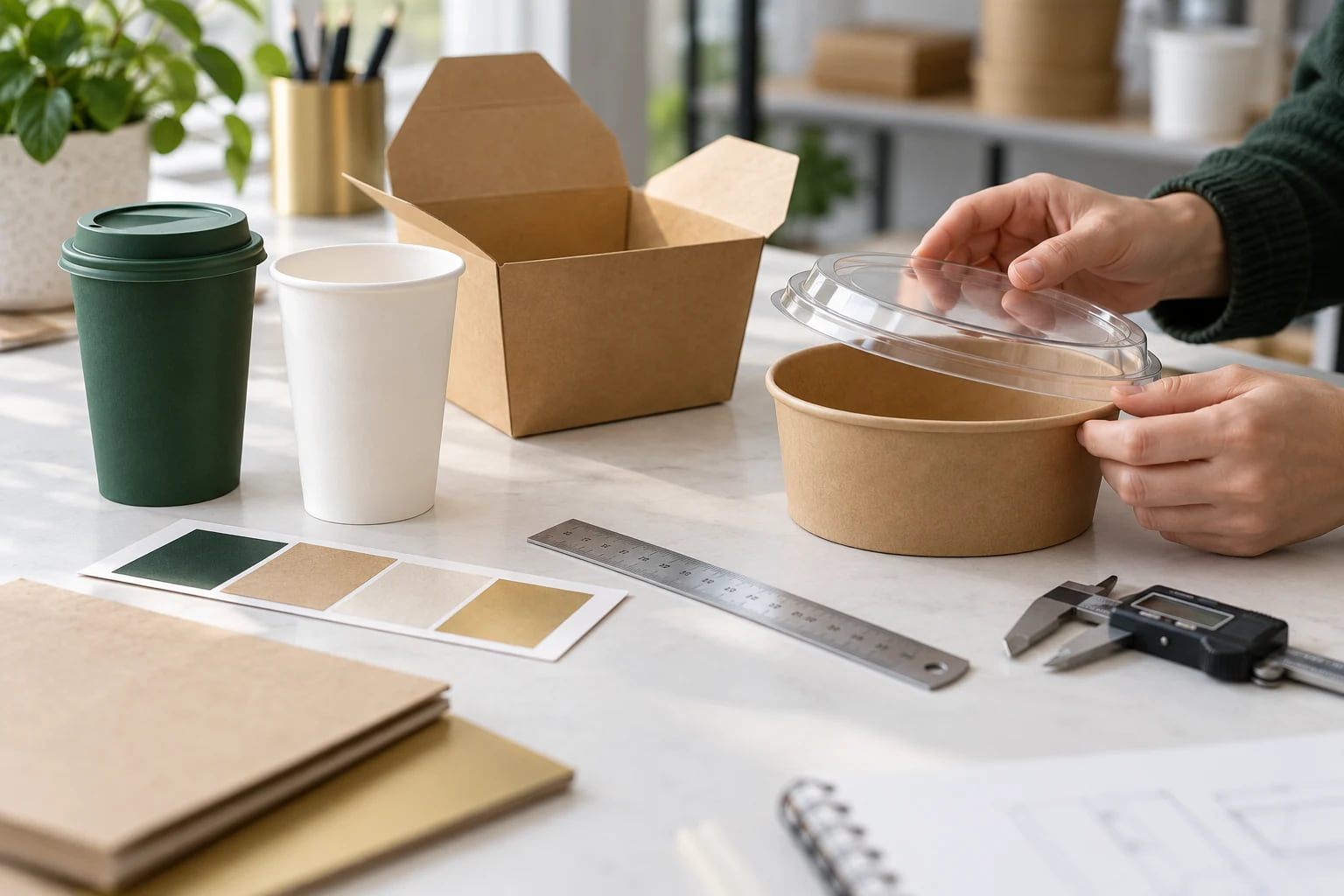
Assess how the supplier handles a precise request, not simply how many products appear in a catalogue. A good response identifies the product, material, dimensions, matching parts and limitations. It should also reveal what remains to be confirmed. Clear constraints help the buyer make a realistic order.
| Area | Evidence or explanation to request | Decision it supports |
|---|---|---|
| Product control | References and revisions for body, coating and closure. | Whether the approved system can be reordered consistently. |
| Destination suitability | Construction data and relevant product evidence. | A state-specific review performed by the buyer’s chosen reviewer. |
| Quality management | Batch identification, inspections and substitution procedure. | How discrepancies and changes can be traced. |
| Packing | Carton dimensions, quantities, weight and pallet details if applicable. | Warehouse, domestic distribution and final-delivery costing. |
| Commercial scope | Minimums by article and artwork, quote basis and payment terms. | A programme that matches consumption and cash exposure. |
If a certification is offered, verify what it covers. A factory system certificate, a material test and a finished-article claim have different scopes. Do not let the presence of a logo replace a review of the product that will actually be supplied.
Ask how the seller handles a future shortage of a matching component. The answer should include disclosure and approval, not an unrestricted right to substitute something that looks close. A national distributor or multi-site buyer should pass that change-control expectation through to its own warehouse and customer service team.
Custom MOQ vs Regional Australian Stock: Compare Cost per Usable Serving
Manufacturing quantity, shipment quantity and outlet replenishment are different decisions. Ask the minimum for each article and artwork, then plan how the goods will be received and allocated. Do not assume a combined shipment removes the minimum for a slow-selling variation.
| Situation | Cost or risk to include | Useful control |
|---|---|---|
| Single metropolitan café | Storage and the balance of printed cups and lids. | Use demand by actual takeaway size and keep matching stock records. |
| East-coast central warehouse | Receiving, splitting and onward delivery to outlets. | Cost the final destination rather than only warehouse arrival. |
| Western or regional outlet | Its actual transport and receiving arrangement. | Set a location-specific replenishment and contingency plan. |
| Seasonal or event programme | Unsold dated stock and uncertain peak use. | Separate a stable core design from the short campaign. |
| Multi-state assortment | Wrong-destination allocation or outdated material variant. | Identify approved destinations in item and warehouse records. |
Compare cost per usable serving, including the container, lid, sleeve or label where needed, print setup, freight, import work, domestic handling, storage and likely unusable balance. The lowest quoted factory unit price does not show the cash tied up in a range the business cannot consume.
Track the stock the operating site can actually use. Goods reserved for another state or awaiting a technical decision should not be counted as a normal fallback. Set replenishment review points around the real approval and delivery process agreed for the order, without relying on a universal transit estimate.
Sampling, Artwork and Receiving: Make Approval Survive Ordinary Service
Use samples to test the hardest approved food and the busiest realistic handling routine. Define portion, temperature, time, closure, loading and movement in advance. Ask staff to use the sample alongside the existing pack, recording where the new system improves or complicates the job.
Approve the Formed Article, Not Only the Flat Design
Check colour direction, legibility, seams and label space on the actual shape. A small message can disappear around a cup curve, while a broad graphic may cross a fold on a lunch box. Reserve room for the operational information the food business needs. Keep environmental wording linked to the approved construction and destination review.
Document the Production Decision
Record the signed reference, artwork version, material and matched components. Identify any difference between the sample and the planned production article and resolve it before the run. Agree inspection and receiving criteria with the seller, including which functional checks matter for the order.
At arrival, inspect identity, quantity, packing condition and the agreed sample checks. Record affected batches and cartons if a discrepancy appears. Provide photographs, references and representative samples through the agreed complaint route. After the first ordinary service period, gather staff feedback and review actual consumption. This turns the trial into a repeatable purchasing standard rather than a one-off visual approval that nobody can reconstruct later.
Three Australian Sourcing Scenarios That Require Different Orders
A Café Group Adding a WA Location
Do not simply ship the existing cup-and-lid combination west because its branding is familiar. Establish the construction of both parts and review the exact WA application. Keep approved variants distinct in purchasing and warehouse records. Run a local service trial with the allowed matching lid before treating the new site as part of a shared replenishment plan. One brand can coexist with a controlled difference in the underlying system.
A Regional Caterer Preparing a Summer Event Programme
Begin with confirmed functions, service style and final location. Test cold drinks and meal packs under the intended holding and transport conditions. Check the site’s disposal arrangements separately from certification. Avoid committing the whole forecast to dated artwork if a stable design can serve later work. Cost final delivery and a qualified contingency instead of assuming a metropolitan supply pattern.
A Distributor Building a National Private Label
Organise the range around customer applications and state-appropriate variants. Require component records, clear carton identification and a change procedure from the manufacturer. Establish how customer enquiries about food use, certification and destination eligibility will be answered. A limited range with accurate boundaries can be more valuable than a universal claim that every paper article is suitable everywhere.
How to Cooperate with a Packaging Supplier on an Australian Repeat Programme
Send one complete brief covering the food or drink, article size, construction requirements, destination states, quantity by artwork, packing and delivery arrangement. Ask for deviations to be shown explicitly. Use the responses to select products for document review and practical sampling before final commercial approval.
Close the Dependencies Before Authorising Production
Agree the product identity, matching lid, material evidence, artwork, inspection plan and commercial terms. Assign the importer and logistics tasks for the actual transaction. Identify who may approve a change. If a material or destination question remains unresolved, keep it visible as an approval dependency rather than let an attractive print proof appear to settle the order.
Preserve What Worked and Review What Changed
Use consumption, staff experience, receiving results and stock age to plan the next run. Ask the supplier to disclose differences in material, lid, printing, packing or production source. A new state, revised food process or altered disposal claim can require a targeted review even when the brand design stays the same.
The objective is a repeatable serving system and a commercial relationship with clear information. Start with the products that the business can approve and consume, then expand deliberately. Reliable cooperation means the next order is easier to evaluate because the records are better, while important changes remain visible to the people responsible for the purchase.
FUDE Product Options for Buyers in Australia
Use these existing catalogue items as starting points for a written specification and sample review. Confirm the proposed structure, available options and supporting documents for the actual order.
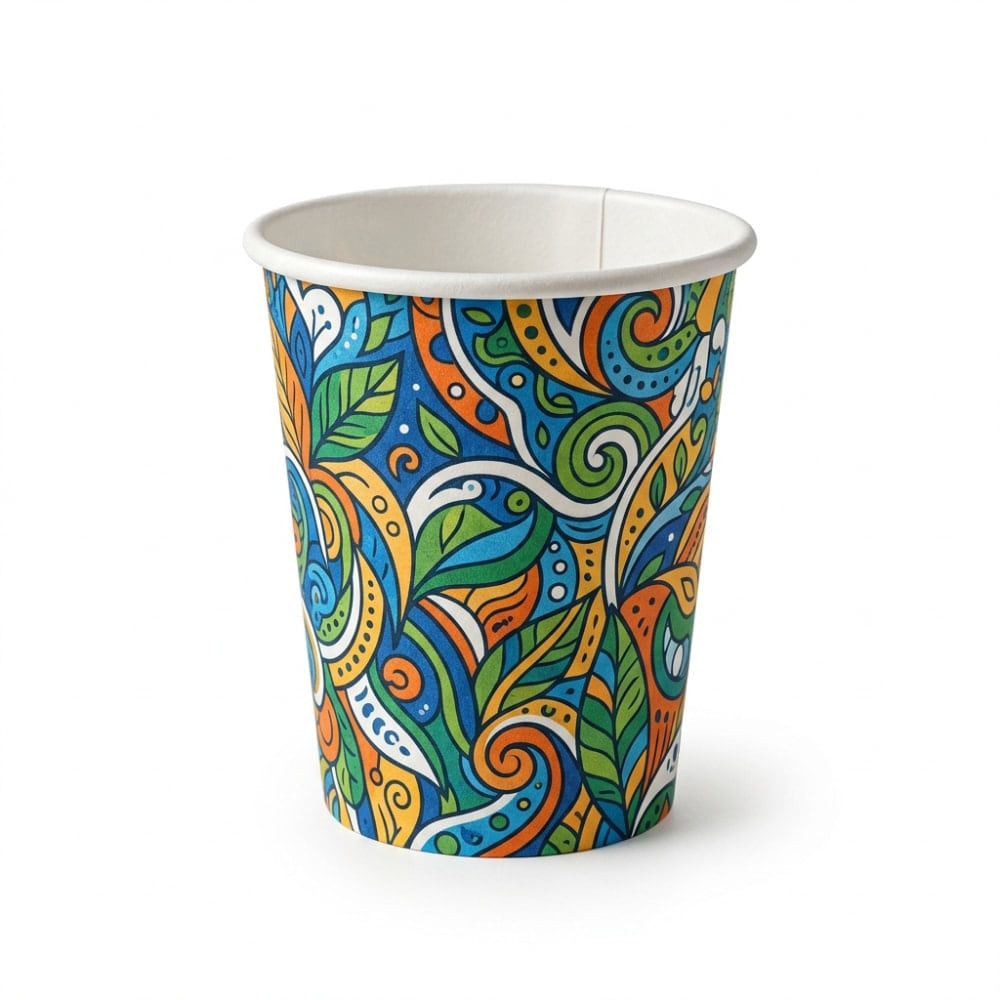
Custom Single Wall Paper Cups
A focused café takeaway programme with a stable beverage and approved destination-specific construction.
Review for the enquiryReview actual body and lid materials, food use, fill level and state eligibility; test the pair.
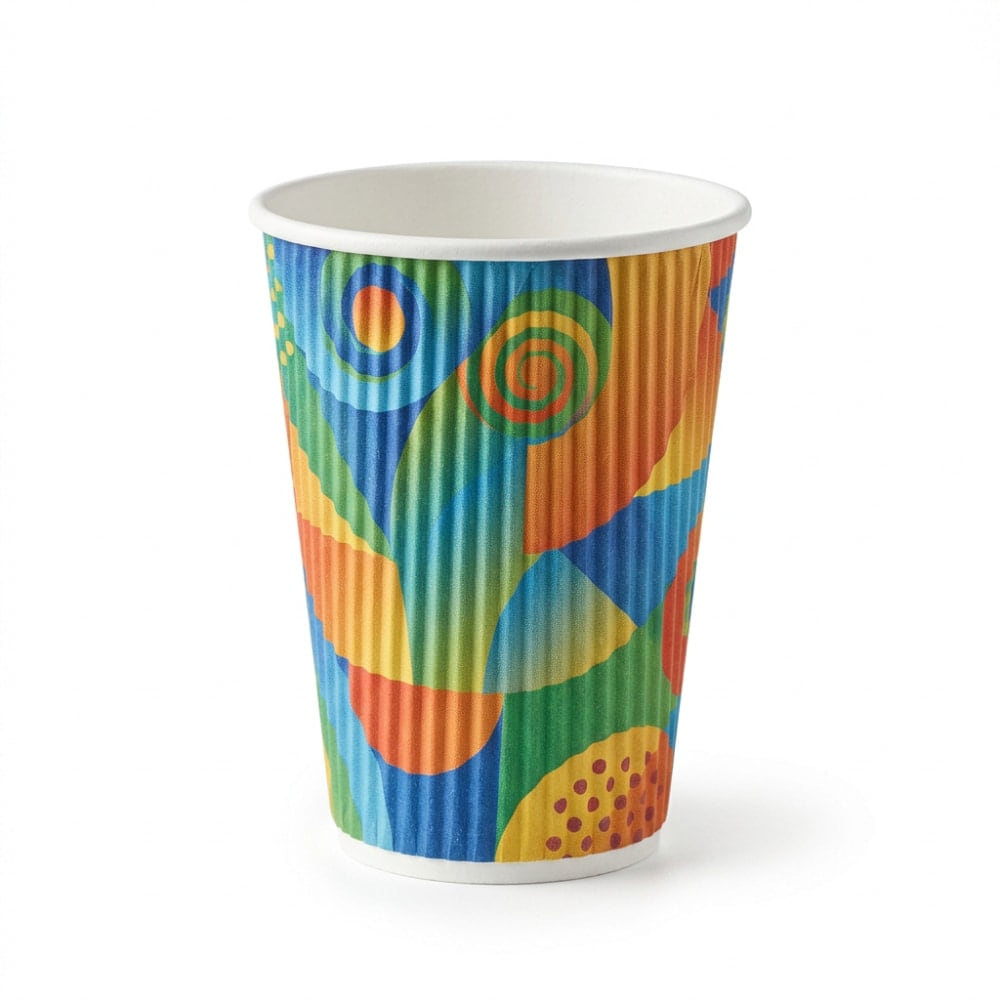
Ripple Wall Hot Drink Cups
A hot-drink option where outside-surface handling and formed brand presentation need comparison.
Review for the enquiryTrial grip, print texture, carton footprint and exact closure; the outer wall does not establish legal eligibility.
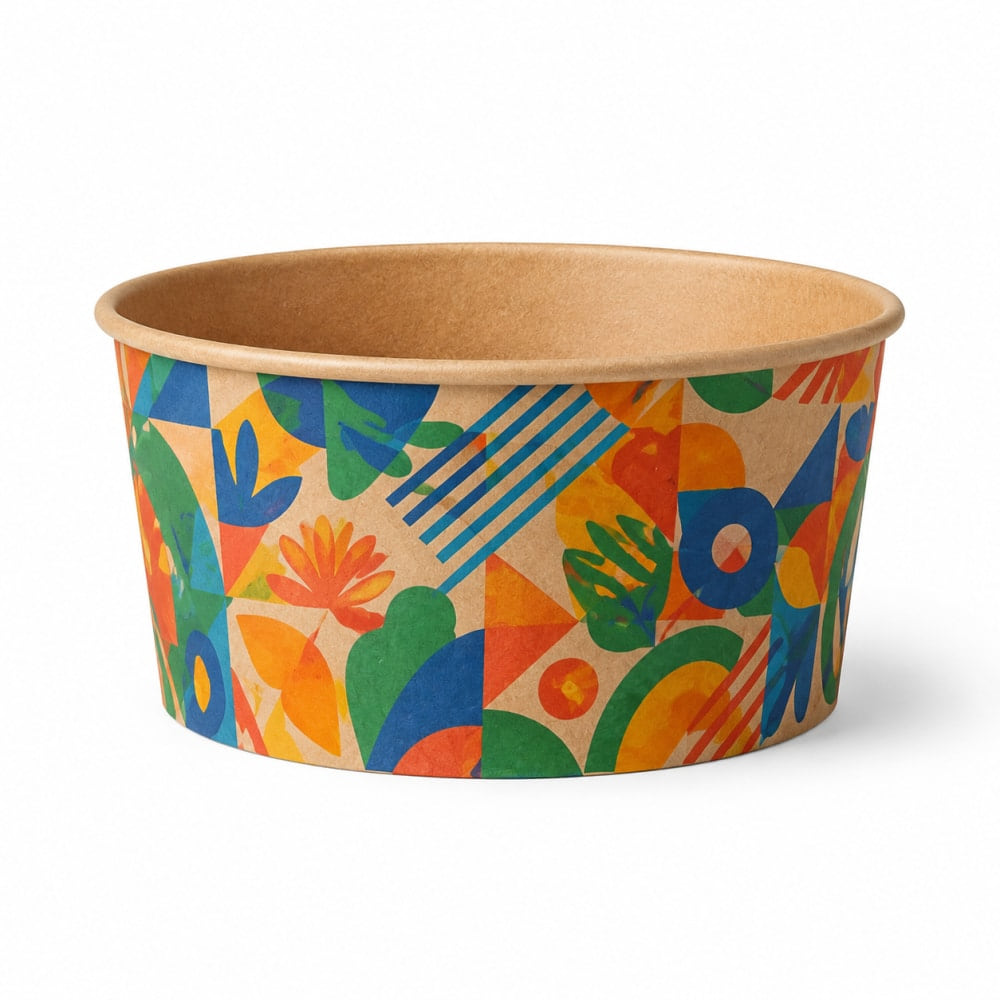
Kraft Paper Salad Bowls
A chilled salad or meal programme with a repeat portion and controlled display or delivery process.
Review for the enquiryCheck dressing, condensation, label area, component construction and the destination-specific material review.
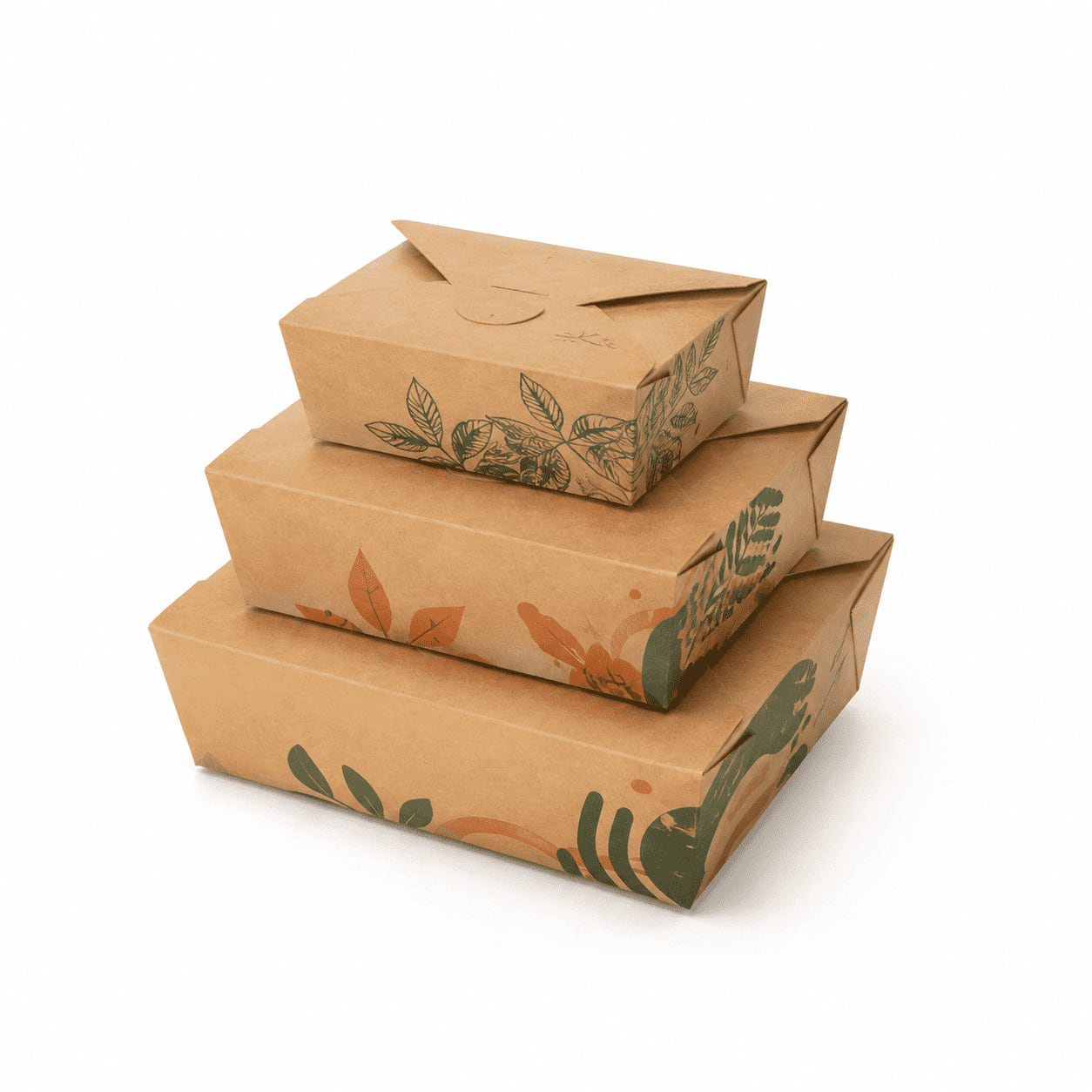
Kraft Paper Lunch Boxes
A stable takeaway meal that needs a repeatable portion and transport format.
Review for the enquiryTest sauce, grease, steam and stacking under approved conditions and review the actual box construction for each market.
FAQs: Sourcing Paper Food Packaging in Australia
Are All Paper Cups Allowed Throughout Australia?
Do not assume that from the word paper. State and territory rules differ and can depend on the actual coating, component and use. Review the body and lid for each destination. Keep the product reference and material evidence in the approval file so a later substitution or new outlet can be assessed accurately.
Does a Compostable Coffee Cup Certificate Approve Its Lid for WA?
A cup and a lid need separate assessment. WA’s coffee-cup guidance distinguishes the certified compostable paperboard cup exclusion from the requirement described for plastic-free lids. Check the exact products and use, then trial their fit together. Do not extend one article’s certificate to a different component.
Has NSW Already Imposed Every Measure in Plastics Plan 2.0?
No. The current plan describes staged actions between 2026 and 2030. Establish the requirement effective for the particular product and supply date rather than treating every roadmap measure as already operational. Include the expected stock selling period when reviewing later milestones and printed quantity.
Which Custom Product Should an Independent Australian Café Start With?
A frequently used takeaway size with a stable recipe is a practical starting point. Test fill level, handover and the exact lid, including any destination-specific requirements. Use actual takeaway consumption to calculate quantity. Total beverage sales can overstate the need when many drinks are served on site or in reusable systems.
Is Compostable Packaging Automatically Accepted in an Australian Organics Bin?
No. Product certification, permission to supply and acceptance by a collection system are separate questions. Confirm the actual route for the café, event or customer setting. WA’s current household FOGO guidance illustrates why a compostable food container should not receive a generic organics-bin instruction without a local check.
Should an Australian Buyer Choose Local Distribution or Direct Manufacturing?
Compare the complete workload and cost. A stocked distributor may suit mixed replenishment or a smaller programme; direct manufacturing may suit stable demand and controlled approvals. Include final delivery, import work where relevant, storage and unused stock. Ask what each seller actually provides rather than assume local availability or a fixed international lead time.
Can One Bowl Be Used for Chilled Salad and Hot Takeaway Meals?
Only when the intended uses are appropriately supported and practically tested. Condensation, hot sauce, oil, holding time and stacking can affect the construction differently. Keep the permitted conditions clear for staff and purchasing. A successful salad display trial is not automatic approval for hot filling, reheating or every recipe.
What Makes a Repeat Australian Packaging Order Safer to Manage?
Refer to the approved article, material, matching closure and artwork version. Review actual demand and stock by location before setting quantities. Ask the supplier to disclose changes, and recheck the affected destinations or uses. Keep inspection and complaint records linked to batches so improvements from the first order carry into the next.
Send a Supplier Enquiry for Australia
You can include the menu, quantity by SKU and actual delivery point in your message. Enter your phone number with calling code, email and message, then choose Send Enquiry to submit directly through Zoho Forms. Your name and any product or quantity selections are optional.
Sources and Further Reading
Research checked on 22 October 2026. Official references support the local factual context; comparison frameworks and illustrative scenarios are purchasing guidance.
Product images are from Fude’s existing catalogue. Sample-review scenes are AI illustrations. Confirm the proposed SKU, materials, documents, quantities and commercial terms for the actual order.
 New Zealand
 Germany
 United States