
 Malaysia market guide
When Should a Malaysian Food Business Choose Custom Paper Packaging?
Custom paper cups, bowls and lunch boxes are most useful when the menu and brand are stable, the business can forecast use by format and the stock can reach outlets in a practical way. A café group with one approved beverage range may have a clear custom brief. A small operator testing several meal portions may benefit from suitable locally stocked packaging until the core format is established.
For Malaysia, define both the service application and the distribution destination. A supplier delivering cartons to a Peninsular warehouse is making a different offer from one supporting onward supply to sites in Sabah or Sarawak. The comparison should include the actual receiving and replenishment plan rather than treating a Malaysian port or a company head-office address as the end of the journey.
This guide helps buyers select formats for their own food, compare local distribution with direct manufacturing, review documentation and establish a controlled cooperation process. The aim is a repeatable pack and supply arrangement. The fact that an item is paper-based or custom-printed does not by itself settle food performance, local requirements or whether the proposed order quantity is commercially sensible.
Malaysian Food Packaging Procurement: Menu Variety and Local Operating Scope Matter
Translate the Menu into Food-Contact and Handling Conditions
A buyer can begin with familiar menu names, but the supplier also needs the physical conditions behind them. A rice meal with oily accompaniments, noodles with a separate liquid component and a chilled salad are different packaging uses. A hot coffee or tea programme needs a different cup trial from an iced recipe. Document what actually touches the pack, the portion and the time before the customer eats or drinks.
This approach is useful for a food court, a café group or a central kitchen because it prevents an attractive generic container from becoming the default for the whole menu. Group foods only where the same structure and use can be supported. Ask staff to identify the demanding regular item, not an unusual extreme or an easy dry sample selected solely to obtain a good result.
Use National Policy Context Without Assuming One Local Rule
NRES identifies the Malaysia Roadmap Towards Zero Single Use Plastics 2018-2030 alongside other national plastics policy instruments. These establish policy context, but do not prove that every state, local authority or foodservice venue has the same rule for every cup, lid and container.[3]
The buyer should check the current requirements of the actual operating location and customer, then add any venue or retailer standard. Keep the result in the product approval file. A format bought for one operator may need another review when it is offered to a different local authority area or a customer with a specific material policy.
Which Malaysian Companies Are Suited to Custom Cups and Takeaway Packaging?
Customisation works better when the buyer can connect each SKU with a repeat use and an accountable approver. A group does not gain that control merely by combining all packaging spend in one total. Identify the sizes, artwork, matching components and destinations that can actually be standardised.
| Buyer | Potential benefit | Information needed first |
|---|---|---|
| Café / bakery chain | A consistent takeaway cup and brand identity. | Drink recipes, fill volumes, lids and outlet consumption. |
| Restaurant or food-court operator | A repeat container system for defined meals. | Oil, sauce, liquid, portion and carrying conditions. |
| Central kitchen / meal brand | Coordinated packing and labels across delivery points. | Filling-to-receipt sequence and acceptance at the receiving site. |
| Packaging wholesaler | A private-label assortment for committed accounts. | Demand by region, customer specification and stock ownership. |
| Caterer / event supplier | A planned range for a known service. | Venue requirements, date and use of any remaining printed stock. |
A new independent operator can trial one high-use format before extending custom print to the entire assortment. A distributor should identify downstream customers who can use the proposed construction, rather than assuming all accounts will accept the same bowl. Customer-specific labels, materials or assurance requirements can divide what looks like one common product into several separate buying decisions.
For a chain, ask whether outlet purchasing is centralised and whether the actual portions match. If stores fill a box differently, a written standard is needed before the box can be considered a shared specification. Involve operations in the selection so that procurement does not standardise a product staff routinely have to work around.
Peninsular Distribution vs Sabah and Sarawak Supply: Compare the Complete Delivery Plan
Malaysia’s geography should be reflected in stock planning without turning geography into an invented transit promise. Establish where goods are received, whether another movement is needed and who holds the reserve stock. A price at one warehouse does not tell a buyer when an outlet elsewhere will have usable packaging.
| Planning point | Single receiving region | Several regions including East Malaysia |
|---|---|---|
| Forecast | Use demand at the warehouse and its actual outlet network. | Separate demand and stock by receiving region. |
| Delivery scope | Confirm the named point and outlet replenishment. | Identify each onward movement and responsible party. |
| Buffer | Base the reserve on the confirmed replenishment uncertainty. | Avoid assuming stock in one region can immediately cover another. |
| Carton handling | Assess the normal receiving and storage routine. | Assess any additional transfer, consolidation or splitting. |
| Emergency stock | Approve an available compatible substitute. | Confirm a practical fallback in each service region. |
For a hypothetical wholesaler, maintaining one national stock total can conceal a shortage at the site that actually supplies the customer. Separate cups and lids as well as destinations. Stock waiting for an onward movement should not be treated as available for immediate outlet delivery. Ask logistics staff to confirm the sequence and expected uncertainty for the real route.
If a programme uses the same print across several regions, one manufacturing specification can still be useful. It does not remove the need for separate delivery and inventory decisions. Compare carton quantities, storage and the release plan before increasing a combined factory run to obtain a lower unit price.
Plain Stock vs Custom-Printed Packaging for Malaysian Foodservice Brands
The decision should consider stability of the menu, artwork and consumption. A print run creates a commitment to a particular design and size; it should be supported by a realistic period of use. An external label or sleeve can create flexibility, but also adds materials and work that belong in the comparison.
| Question | Plain stock / added branding | Factory custom print |
|---|---|---|
| Menu still changing? | Can allow a format change without obsolete printed cartons. | Needs a sufficiently settled product specification. |
| Several languages or outlets? | A controlled label can vary without changing the base pack. | Each artwork version needs clear approval and forecast. |
| Peak service speed? | Include the time and consistency of application. | Review whether integrated print actually removes handling. |
| Short promotion? | Can separate a temporary message from core inventory. | Needs a campaign-specific use and leftover-stock plan. |
| Long-term brand range? | May suit smaller or fragmented consumption. | Can support repeat identity where demand and stock are controlled. |
Use quantity per size and artwork. A brand consuming many cups overall may still have a slowly moving large size or a location-specific design. Estimate the stock months for that variant and compare them with planned menu and brand changes. A broad brand forecast is not an adequate basis for every production minimum.
Test the proposed method during actual packing. Labels should remain usable and legible under the conditions of the service; sleeves should fit the chosen cup if used. A lower quoted packaging price can be offset by extra handling or stock that cannot be used. Keep those consequences visible in the purchasing decision.
Malaysian Distributor vs Overseas Manufacturer: Choose the Relationship the Programme Needs
A distributor can provide available stock, mixed assortments and local deliveries. A direct manufacturing relationship can support a planned custom specification. Clarify which service is being offered and where the buyer’s own work begins. A local supplier coordinating a reserved import may have different terms from the same supplier selling ordinary stock.
| Requirement | Local distributor relationship | Direct manufacturer relationship |
|---|---|---|
| Small repeat orders | Check stock availability and delivery quantities. | Arrange local holding and outlet distribution. |
| Custom materials / print | Identify how requests reach the producer. | Agree the product and artwork version directly. |
| Evidence | Ask for documents relevant to the offered SKU. | Specify the file needed by the Malaysian reviewer and customer. |
| Inventory risk | Clarify call-off, reservation and cancellation terms. | Calculate the full-run stock and remaining-use period. |
| Complaint investigation | Check the connection to manufacturing batch records. | Agree inspection, retained samples and remedy terms. |
For an emerging café brand, a suitable distributor-held core pack can provide flexibility while consumption becomes clearer. For an established importer with committed accounts, a custom factory programme may be worth comparing. The final decision should reflect the ability to manage specification, documentation, imports and stock, not a general assumption that one sourcing country is always cheaper.
If a backup product is part of the plan, trial it before it is needed. A similar-looking bowl or a cup with the same nominal capacity may use a different lid or barrier. Tell staff which substitutions are approved and which uses require further review. An emergency purchase should remain a controlled exception.
Paper Cup Selection for Malaysian Hot and Iced Beverage Menus
Give the manufacturer a beverage specification rather than only the name of the drink. Include temperature, ice or foam allowance, filled volume, time to hand-over and the lid. A single cup size may be used by several recipes, but the proposed structure should be reviewed for each intended condition.
| Option | Possible role | What to check |
|---|---|---|
| Single wall cup | A defined hot or cold application and smooth artwork. | Barrier, condensation, hand comfort and any sleeve. |
| Double wall cup | Additional outer structure for a hot-drink programme. | Actual comfort, stack separation and available specifications. |
| Ripple wall cup | Texture and grip for appropriate hot takeaway use. | Fine-text readability and the service routine. |
| Cup / lid combination | The complete carrying and hand-over system. | Rim dimensions, retention and usable fill space. |
Ask staff to repeat the normal recipe in several samples. An iced drink needs the intended headspace and should be assessed through the actual waiting and carrying period. A hot drink needs a handling trial at the agreed fill conditions, including a sleeve if that is part of the system. A different wall should solve an observed requirement, not simply be chosen because its description sounds more premium.
Keep the cup and lid references together in the product master. If the buyer changes size, check the corresponding lid rather than assuming the existing component still fits. A disciplined component list is useful for a café group and a wholesaler because it prevents technically incompatible items from being ordered under a broad description such as takeaway coffee set.
Bowls vs Lunch Boxes for Rice, Noodles and Other Malaysian Takeaway Meals
The menu can be described in customer terms, but pack approval should be based on food behaviour. A rice portion with a separate sauce, a noodle meal with free liquid and a chilled salad place different demands on the structure. Identify which components need separate packaging instead of forcing every meal into the same box.
| Meal characteristic | Candidate format | Trial focus |
|---|---|---|
| Chilled salad / grain portion | Bowl with a suitable separate lid. | Dressing, display, closure and loaded stacking. |
| Compatible rice or prepared meal | Folded lunch box. | Portion fit, oil, moisture and closure after holding. |
| Free-liquid component | Separately specified suitable container. | Liquid contact and the full carrying arrangement. |
| Snack eaten soon after purchase | Open tray or snack structure where appropriate. | Access versus protection during the journey. |
Use the most demanding representative menu item during a trial and record the time between packing and expected eating. Ask staff to use the normal fill quantity and closure method. If a pack only works when underfilled or handled unusually carefully, either the menu specification or the format needs to change before a bulk order is approved.
A central kitchen should include dispatch, transport and the receiving location in the test. A food-court operator should include the actual carrying bag and stack arrangement. These observations support a product-specific approved-use list, helping staff distinguish a suitable replacement from a container that merely looks similar.
Where sauce is packed separately, approve that component and its carrying position as part of the whole order, rather than reviewing the dry meal box alone.
Malaysian Food-Contact and Hygiene Review for Paper Food Packaging
Malaysia’s Ministry of Health publishes the Food Regulations 1985 and related updates through its official food-safety programme. Use the current applicable text and a product-specific review rather than relying on an overseas regulatory statement as the entire Malaysian assessment.[1]
The Ministry explains that Regulation 27 prohibits using packaging that yields, or may yield, poisonous, injurious or tainting substances to food, or contributes to its deterioration. This makes suitability for the actual food a substantive purchasing requirement. Ask the reviewer to connect the offered barrier, print and construction with the intended food, temperature and contact period, and retain the evidence for that assessment. An overseas compliance claim cannot replace this local review or the food operator’s responsibility for the packaging it uses.[5]
| File item | Purpose | Question for the reviewer |
|---|---|---|
| Material description | Identifies board, barrier, print and separate components. | What actually contacts the food? |
| Intended use | Connects the structure to menu and handling. | Which foods, temperatures and contact periods are proposed? |
| Relevant reports / statements | Supports the specific offered construction. | Do the documents cover this SKU and use? |
| Supply identity | Links samples and delivered batches. | Who controls changes and can investigate a problem? |
The Ministry’s programme also describes the wider food hygiene framework covering preparation, handling, packaging, storage and transport. This is a reminder that a suitable empty pack must still be protected and used correctly in the operation. It is not a reason to claim that a packaging supplier’s document certifies every food business using the product.[2]
Before approving evidence, state whether the food is oily, acidic, hot, chilled or held for a defined period. If reheating in the pack is intended, make that explicit. Keep food-product labels and empty-pack specifications distinct: the business may have obligations relating to the food it sells that are not automatically satisfied by a printed packaging design.
State, Local-Authority and Customer Requirements: Create a Malaysian Acceptance Record
A national policy roadmap is not a substitute for checking the actual operating location and sales channel. Ask the relevant local authority, venue operator or customer for current requirements affecting the proposed pack. Record the scope, date and product description behind the answer so another branch does not inherit an unsupported assumption.
Separate the Pack’s Material from the Customer’s Assurance Programme
A foodservice account may ask for particular sourcing, material or assurance information. Convert the request into a precise list and confirm who reviews it. If a customer asks about halal-related materials or process assurance, identify the exact scope of that request rather than asserting that every empty paper cup or bowl needs the same certificate. Keep any permitted logos and artwork claims under the appropriate approval.
For a distributor, customer policies can be important even when the physical product is unchanged. An institutional catering account may have a different accepted-material list from an independent café. Identify those limits in the product master and the sales information, preventing a pack approved for one account from being promoted as universally suitable.
Make Territory and Account Changes Visible to Procurement
When a new state, local authority area or customer segment is added, review the existing pack and artwork against that scope before committing stock. If a different material or marking is needed, create a distinct variant. The aim is a practical acceptance register that commercial staff can use, rather than a collection of policy statements disconnected from what is actually being sold.
How Malaysian Buyers Can Assess a Paper Packaging Supplier

Evaluate the supplier through a defined programme with evidence that can be compared. Ask which stages it controls, what the sample represents and how later changes are approved. A broad product range or a general sustainability statement cannot identify the exact bowl-and-lid combination being offered to the buyer.
| Topic | Evidence to request | Buying consequence |
|---|---|---|
| Production scope | Manufacturing and outsourced stages. | Identifies who controls the ordered item. |
| Sample relevance | Specification and disclosed differences. | Shows which decisions the trial supports. |
| Document scope | SKU, structure and intended-use references. | Allows an appropriate Malaysian / customer review. |
| Repeat control | Material changes, artwork versions and retained references. | Maintains the approved specification. |
| Delivery and complaints | Batch identification, receiving checks and remedy route. | Supports issues across customers or regions. |
For a local distributor, examine how a problem is traced back through its supply chain. If several cafés report a lid issue, the buyer needs the affected batch and component reference, not simply a verbal promise of better quality next time. Agree the evidence and the response process before an urgent issue occurs.
For an overseas manufacturer, ask how relevant data and documents will be supplied with the first order and updated later. Begin with a core item whose performance can be assessed, then review the actual delivered batch and cooperation experience. Add other formats through their own approval rather than treating one successful cup as validation of every food container.
Multilingual Artwork and Custom Print for Malaysian Food Brands
Choose the physical pack and printable area before finalising the layout. The buyer should provide approved wording in the languages its brand uses and arrange competent review. The printer can explain production constraints, but should not decide the meaning of a translation or create unreviewed product or environmental claims.
Check the Full Design at Actual Size
Review type, logos, seams, folds and closure positions on the relevant format. Fine text can reproduce differently on smooth paper, kraft board and a textured ripple wrap. A large digital mock-up may make a small line of text appear more readable than it will be on the final cup. Ask which physical proof or sample is available for the characteristics that matter to the brand.
For a chain using several languages, decide whether one reviewed design can serve the whole range or whether separate artworks are necessary. Each variant needs a quantity forecast and a revision reference. Keep permanent brand information separate from short-lived offers where that improves the stock plan, and identify who can approve changes across the outlets.
Keep Claims Within Their Evidence Scope
Fibre sourcing, recycled content, recyclability and compostability are separate subjects. A paper appearance does not establish all of them, particularly where barriers and separate lids are involved. Review the complete message and the relevant evidence before approving the print. The actual collection or treatment arrangement should support any disposal instruction used by the business.
Sample Testing for Malaysian Counters, Kitchens and Delivery Meals
A useful sample trial answers a purchasing question under representative conditions. Record the product structure and any difference from the proposed production. Distinguish dimensions and closure questions from print appearance and documentary suitability, because one sample type may not answer every issue.
Run the Trial Through the Actual Service Sequence
For a café, use the normal recipe, fill and lid routine, then observe the carrying and waiting conditions. For a meal operator, pack the actual portion, include sauces and test the chosen stack and carrier. For a central kitchen, continue the observation through dispatch and receiving. An empty-container demonstration cannot establish the result of that complete sequence.
Record objective acceptance criteria and the reason for any failure. A closure that needs extra pressure or a base that softens after the expected holding period should lead to a clear decision: change the format, change the use or request a reviewed alternative. Avoid letting an informal workaround become the standard without considering its effect on service speed and consistency.
Keep an Approved Reference for Future Orders
Store the specification, sample, trial observations and artwork revision together. Agree what will be inspected before shipment and on receipt. If the material, source or shape changes, identify which approvals need to be repeated. A documented reference makes it possible to assess a future batch and to discuss a complaint without relying on memory of a previous sample.
MOQ and Landed Cost for Malaysian Wholesale Paper Packaging
Compare quotations using the same pack, components, printing and destination. A supplier may quote the container without the lid, omit setup or end its responsibility at a different point. Make those differences visible before comparing totals or asking for a lower price.
| Cost group | Include | Mismatch to avoid |
|---|---|---|
| Pack and branding | Container, lid, sleeve or label, print and proofing. | Comparing a complete set with a base-only price. |
| Shipment | Carton quantities, dimensions, weights and freight. | Treating nominal volume as a shipment-cost estimate. |
| Import | Applicable classification, declarations, restrictions and taxes. | Applying a generic rate without reviewing the actual goods. |
| Domestic distribution | Warehouse receiving, regional movements and local deliveries. | Assuming one warehouse price covers every outlet. |
| Stockholding | Space, working capital and obsolete printed variants. | Buying a run whose slowest SKU cannot be used sensibly. |
Royal Malaysian Customs’ importer guide explains declaration and tariff-classification steps and the need to consider applicable restrictions and duties or taxes. Ask the responsible importer or agent to review the exact goods and current treatment. The guide is not a fixed tax quotation for every paper pack.[4]
Request MOQ per size, structure and design. A consolidated shipment can still contain separate production minima. Calculate the use period of each variant and include stock already held by a distributor or outlet. If the proposed run exceeds the design’s useful period or storage capacity, compare a smaller or differently branded programme.
Reorder Planning for Malaysian Café Groups and Regional Wholesalers
Create a stock record that identifies format, artwork, lid and receiving region. A combined national quantity can look adequate while the site supplying the customer is short. Include cartons already released to outlets and goods committed to a named customer, not just what is visible in the central warehouse.
Forecast the Component and Service, Not an Annual Total
Use actual consumption over a representative period and ask operations to identify planned changes. A new menu, temporary venue or revised drink-size mix can change which packaging is needed. Separate confirmed core demand from a new concept’s forecast. This makes it easier to decide how much risk is attached to a custom print run.
As a planning example, an item used at 6,000 pieces a month would represent four months of demand in a 24,000-piece run before any stock on hand is counted. That arithmetic is not a recommendation or a supplier minimum. The buyer still needs to assess the approved design period, warehouse space and confirmed replenishment uncertainty.
Document a Fallback for Each Receiving Area
An approved locally stocked alternative can be valuable where an interruption would stop service. Confirm the actual food and component compatibility and tell sites which substitute is acceptable. The reserve plan should be practical for the destination, rather than assuming that excess stock held elsewhere can always reach the outlet when needed.
How to Begin and Maintain a Malaysian Custom Packaging Partnership
A useful enquiry combines the menu and food conditions, dimensions, quantity by SKU and artwork, evidence needs and final receiving plan. Add the responsible approvers and any account-specific requirements. Ask the supplier to show which assumptions it has made so the quotation can be compared with a local distributor or another manufacturer on the same basis.
Move from Samples to a Defined Purchase Order
Select a representative core pack, complete the trial and documentary review, then approve the final artwork and construction. Agree quantity, packing, inspection, payment stages, delivery basis and how changes or defects are handled. Keep unresolved points visible instead of allowing an encouraging sample discussion to stand for final production approval.
For a distributor, establish which accounts have committed to the private-label run and how they will be supplied. For a chain, make sure outlets know the approved component list and packing method. If several regions are involved, confirm which party receives and holds the stock at each point. These decisions make the programme usable after the cartons arrive.
Use the First Delivery to Improve the Next Order
Review the batch against the retained reference, check carton information and gather staff feedback. Compare real consumption with the forecast and record agreed corrections. Repeat orders should refer to the approved version and any explicit changes. Extend into other formats only when their food performance, evidence and distribution needs have been reviewed.
Three Malaysian Procurement Briefs That Deserve Different Packaging Decisions
For a hypothetical café group in the Klang Valley, a useful first programme might focus on the highest-use takeaway cup and its exact lid. Observe the recipes and service conditions, then compare a stable custom design with the current locally supplied pack. The decision should include outlet storage and order coordination, not simply whether the printed cup looks more professional.
For a Penang food operator offering several prepared meals, begin with the foods that challenge the pack: oil, sauce, moisture and time before eating. A rice-meal box can be evaluated separately from a liquid-rich noodle component. Record the approved use clearly so staff do not apply one successful trial to every menu item. Check the actual local and venue requirements for the operating site.
For a wholesaler supplying customers in both Peninsular and East Malaysia, plan stock by receiving region and committed account. The same physical bowl can share a manufacturing specification while requiring different distribution buffers and release schedules. Request the carton data needed to compare that plan and confirm who holds reserved custom inventory at each point.
These examples are proposed buying situations rather than claims about market shares, transit times or particular customers. Adapt them by identifying the exact menu, use, local scope, approver and final receiving point. A manufacturer’s recommendation becomes more useful when those decisions are available before the sample or quotation is prepared.
FUDE Product Options for Buyers in Malaysia
Use these existing catalogue items as starting points for a written specification and sample review. Confirm the proposed structure, available options and supporting documents for the actual order.
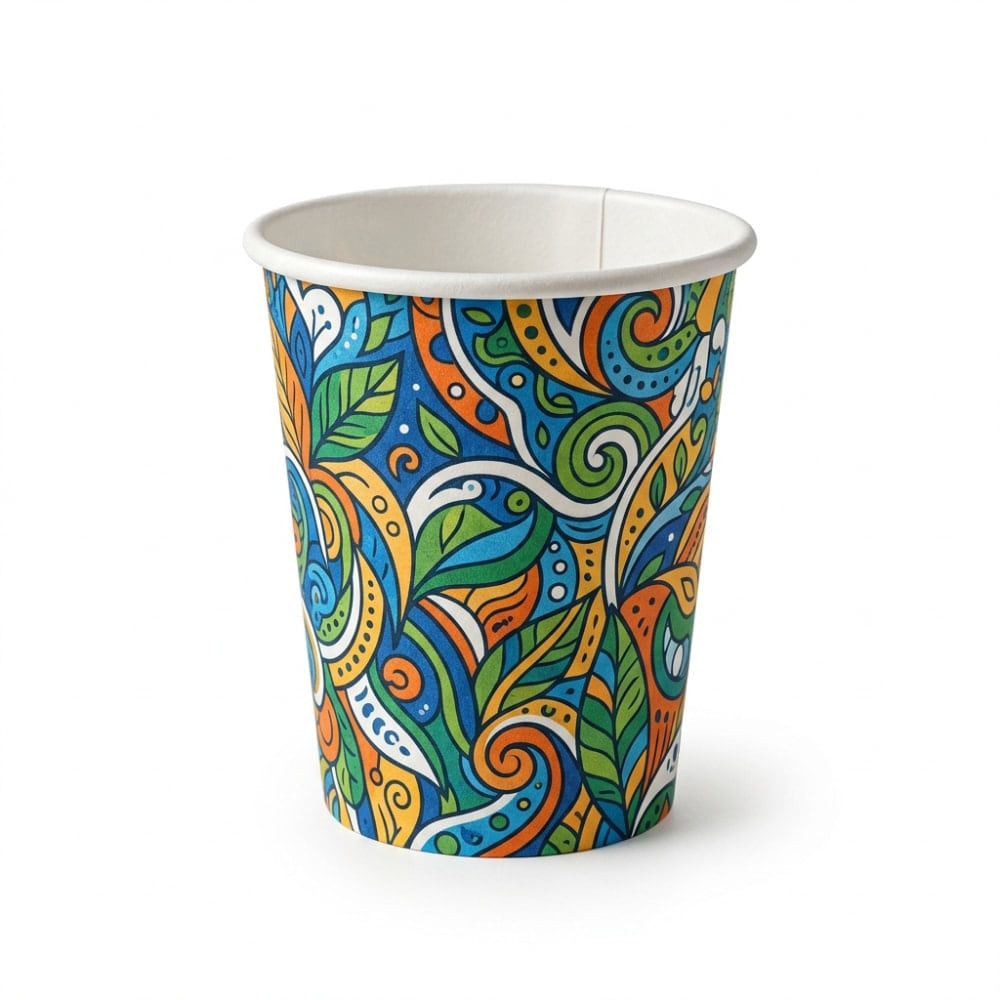
Custom Single Wall Paper Cups
A candidate for a specified Malaysian hot or iced beverage programme with an appropriate smooth print surface.
Review for the enquiryRecipe fill, barrier, condensation or hand comfort, exact lid and any sleeve.
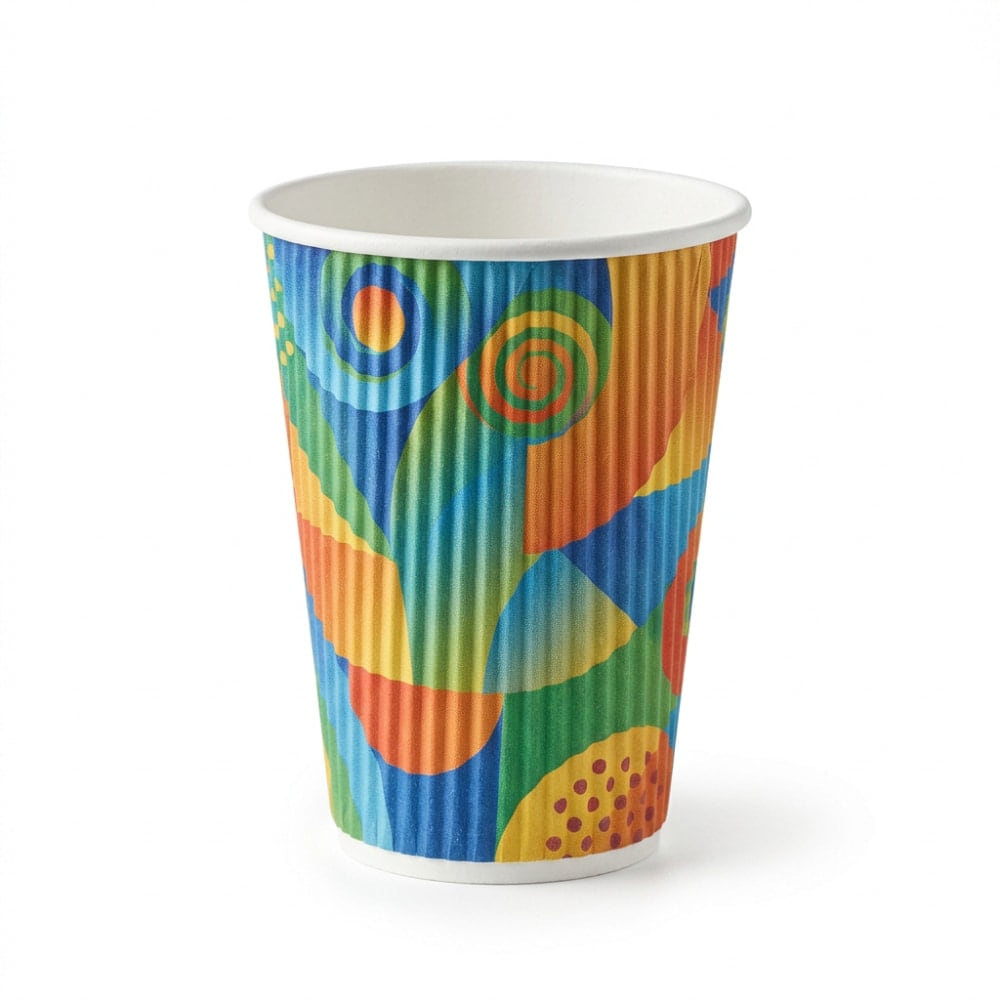
Ripple Wall Hot Drink Cups
A candidate where hot-drink grip and handling justify a textured outer wrap.
Review for the enquiryNormal-temperature service trial, multilingual print clarity and stack separation.
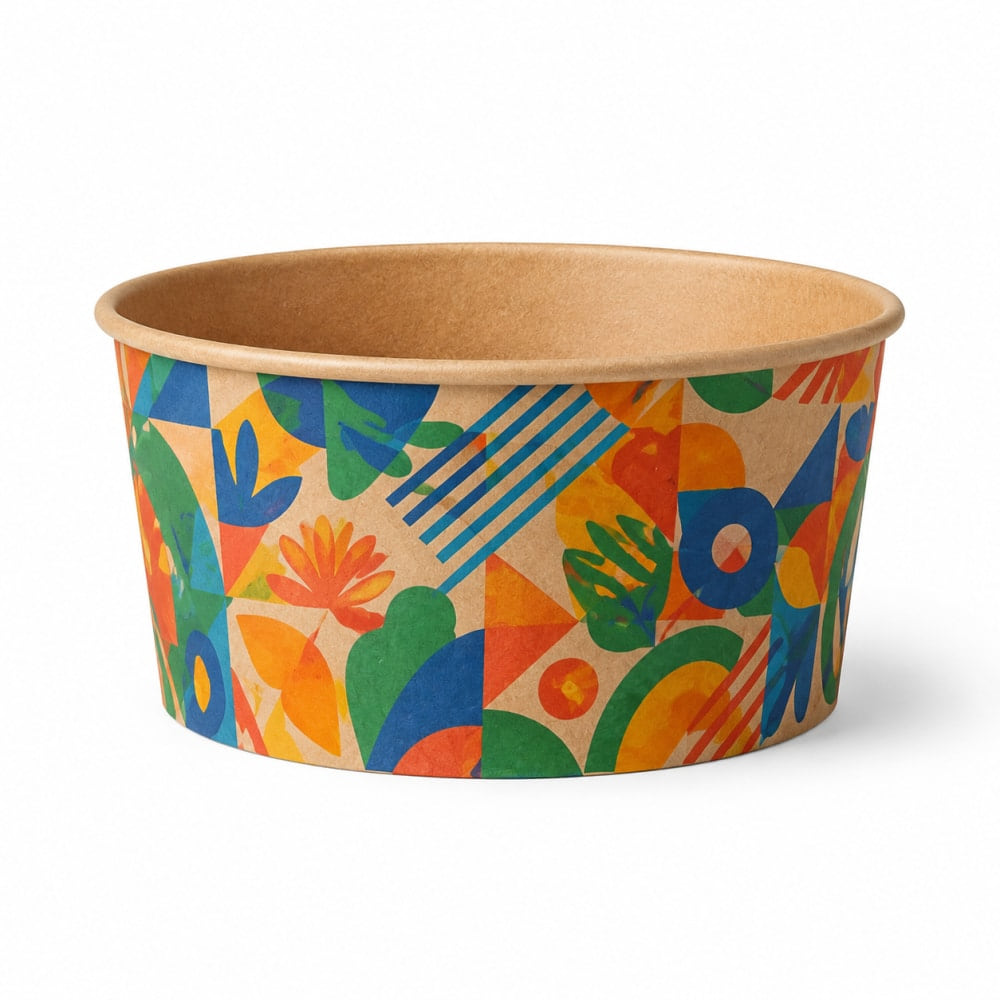
Kraft Paper Salad Bowls
A candidate for a defined fresh-food or meal portion using a compatible bowl-and-lid system.
Review for the enquiryDressing, food conditions, lid, loaded carrying and customer acceptance.
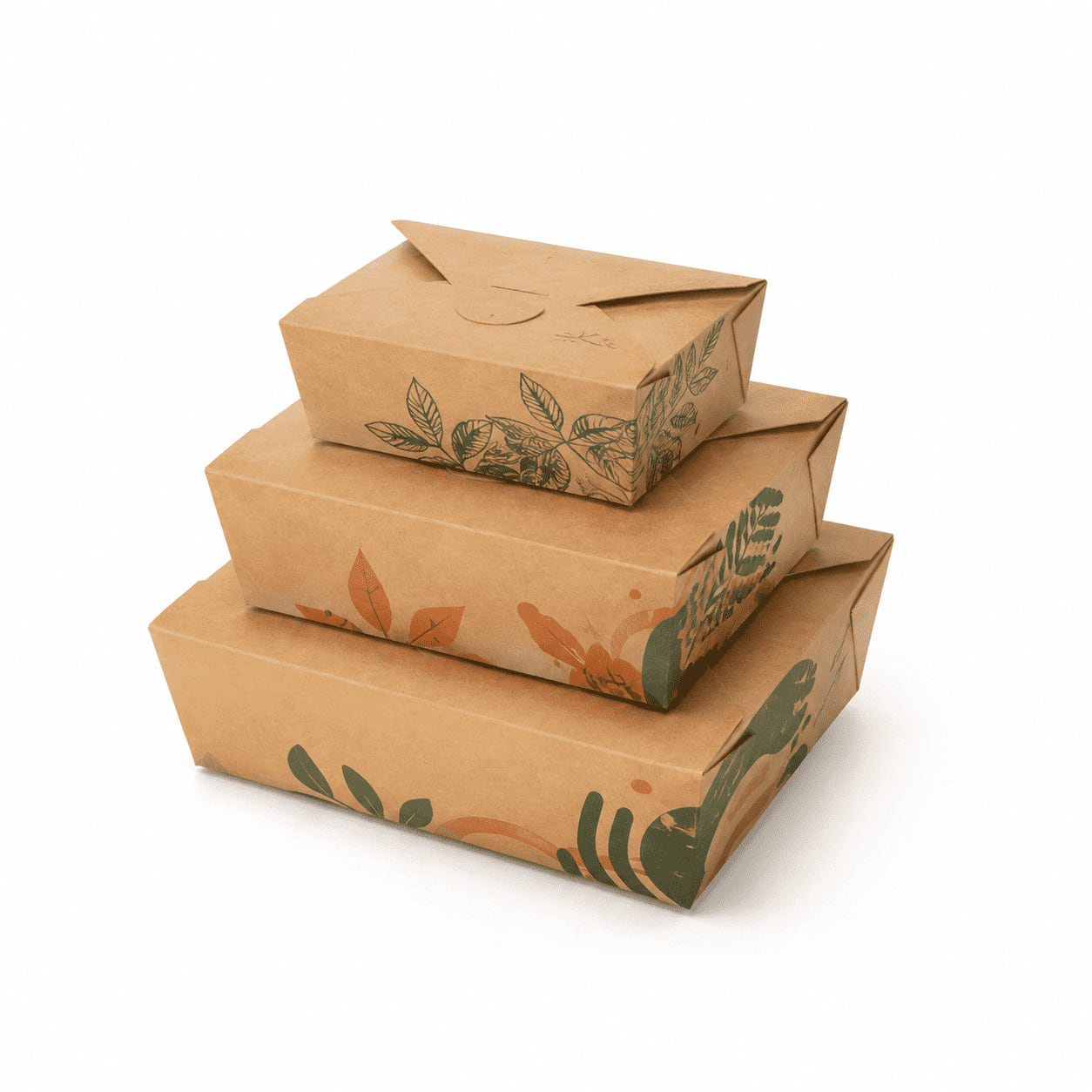
Kraft Paper Lunch Boxes
A candidate for compatible rice or prepared-meal service with a stable packing routine.
Review for the enquiryOil, sauce and moisture, closure, portion and actual time to eating.
FAQs: Sourcing Paper Food Packaging in Malaysia
Does Malaysia Have One Identical Rule for Every Single-Use Food Pack?
Do not infer that from a national policy roadmap. Check the current state, local-authority, venue and customer requirements relevant to the exact operating site and product. Record the scope before approving a custom run or a printed claim.
Can a Bowl Suitable for Salad Also Be Used for Hot Noodles?
Assess the complete bowl, barrier and lid for each intended food and condition. Free liquid, oil, heat and holding can change the result. Trial the actual menu and obtain relevant evidence rather than extending one sample result to the whole range.
When Should a Small Malaysian Café Use Custom Print?
When the core format, artwork and demand are stable enough to use the proposed run within a sensible period. Compare quantity by size and design, actual storage and the full service cost. Suitable local stock can be a practical first step while the menu develops.
Should a Buyer in Sabah or Sarawak Use the Same Stock Plan as a Peninsular Site?
Use the actual receiving and onward-supply arrangement for each region. A common manufacturing specification does not require a common buffer or delivery assumption. Track where stock is available, who holds it and what fallback can reach the customer.
Does Every Empty Paper Pack Need a Universal Halal Certificate?
Do not make that assumption. Establish the applicable product requirements and the precise assurance requested by the customer or programme. Ask for relevant material or process information and have the responsible reviewer assess the actual scope.
How Should Multilingual Artwork Be Handled?
The buyer should provide final approved wording and arrange a competent language review. Check the actual-size layout on the selected surface, including folds and seams. Keep each design reference linked to its quantity forecast and production order.
What Should Be Included in a Wholesale Cost Comparison?
Include the pack, lid and other required components, print and sample costs, shipment, actual import treatment, regional distribution, storage and obsolete-stock exposure. Compare the same delivered scope. A factory base price and a locally delivered set are different propositions.
What Information Helps a Supplier Recommend a Suitable Product?
Provide menu, food and holding conditions, dimensions, quantity per SKU and artwork, lid, evidence requirements and final receiving point. Add the approval owners and any specific account policy. Ask the supplier to disclose assumptions and sample differences before an order is approved.
Send a Supplier Enquiry for Malaysia
You can include the menu, quantity by SKU and actual delivery point in your message. Enter your phone number with calling code, email and message, then choose Send Enquiry to submit directly through Zoho Forms. Your name and any product or quantity selections are optional.
Sources and Further Reading
Research checked on 22 October 2026. Official references support the local factual context; comparison frameworks and illustrative scenarios are purchasing guidance.
Ministry of Health Malaysia: Food Safety and Quality Programme ↗
Ministry of Health Malaysia: Regulation 27 on dangerous packaging ↗
Product images are from Fude’s existing catalogue. Sample-review scenes are AI illustrations. Confirm the proposed SKU, materials, documents, quantities and commercial terms for the actual order.
 Singapore
 Vietnam
 Indonesia