
Fude Packaging / Factory & Manufacturing
Paper Packaging,
from the Source.
Understand the production route behind your cups, bowls and food containers.
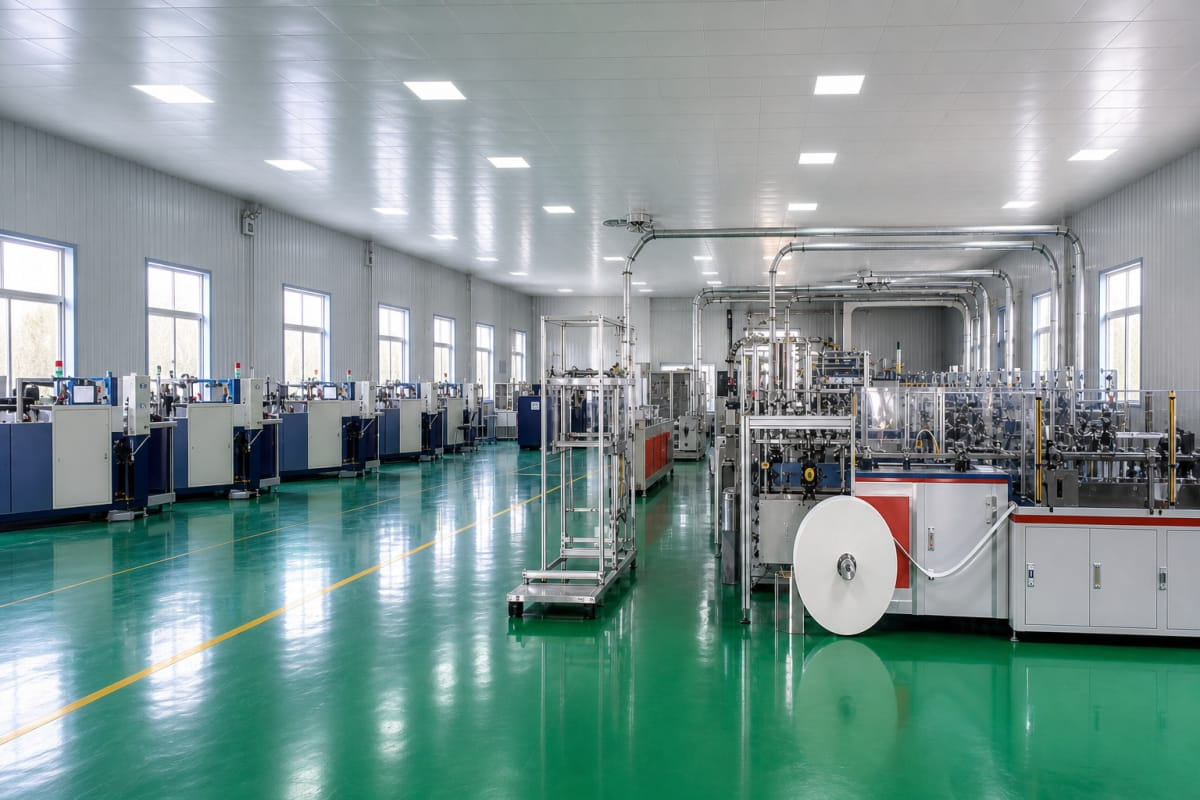
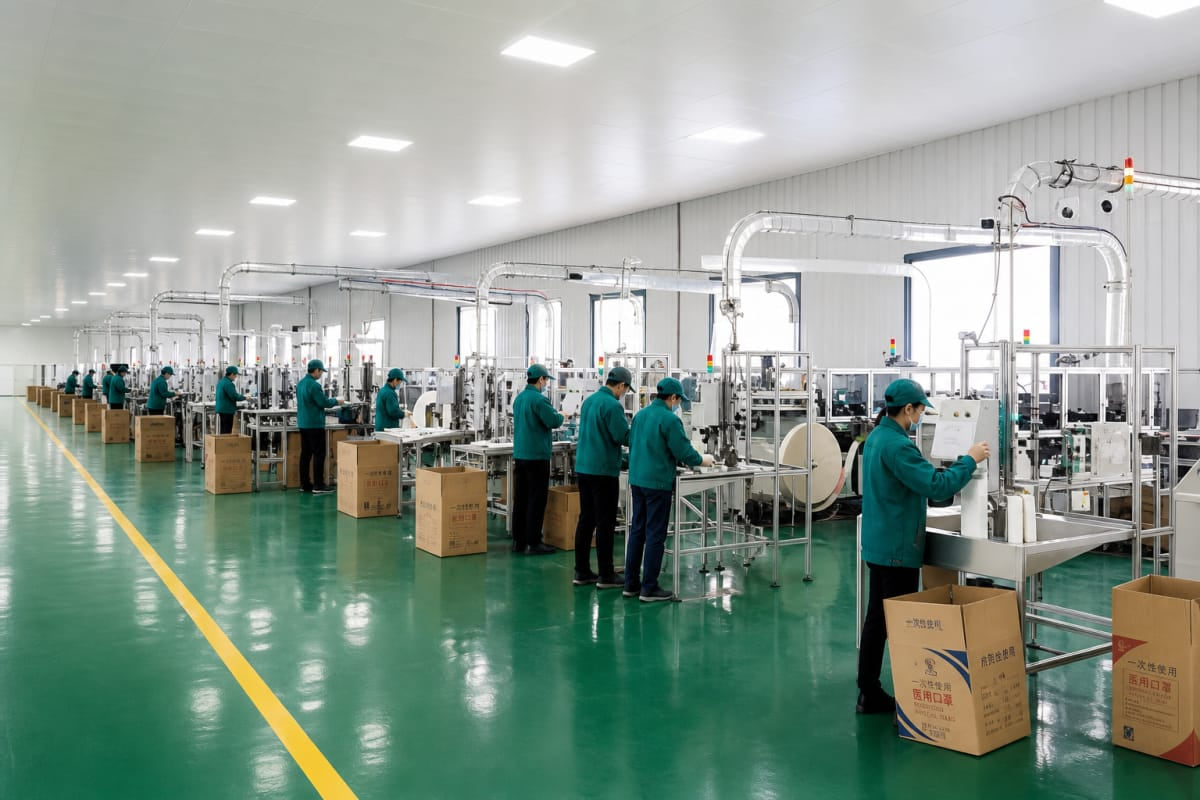
A Closer Look at Your Supply.
Explore the decisions behind a more useful packaging brief.
Start with the Finished Pack.
Fude Packaging supplies paper cups, paper bowls and food containers from Shandong, China. A useful manufacturing discussion starts with the pack you need: its structure, size, lining, print and closing method.
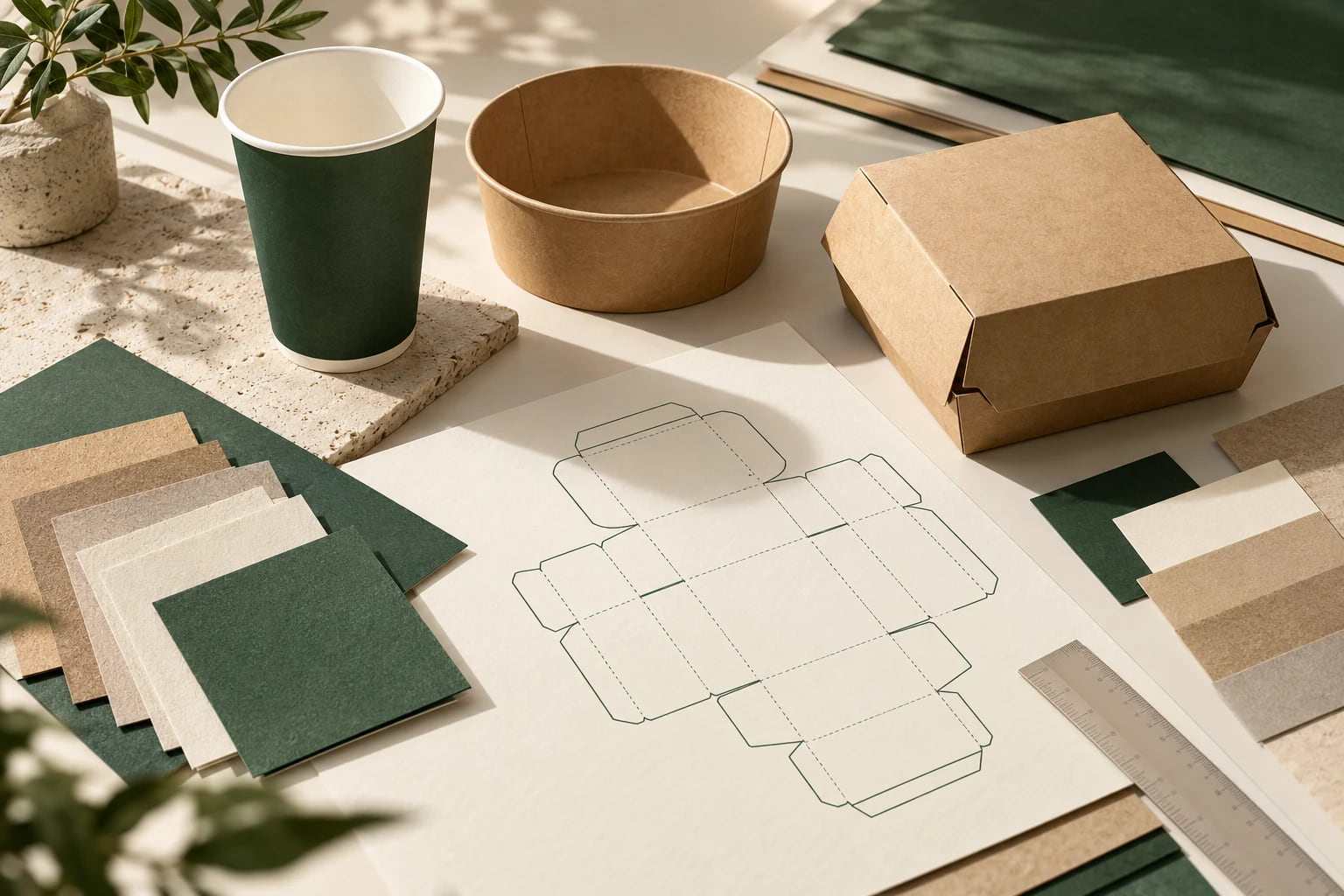
A cup, a round bowl and a folding box require different forming operations. Identify the proposed configuration before discussing equipment or scheduling. Include the separate lid or closure in the review so the complete assembly has one documented reference.
- Product drawing and intended use
- Paper, lining and component list
- Relevant production and packing operations
Review the Process for Your SKU.
These details define the proposed production route. A printed coffee cup and a folding meal box require different forming operations, checks and packing arrangements. Match the evidence to the actual product family before comparing suppliers.
Ask to see the operations that matter to your item, the checks around setup and the way the approved specification is controlled. Where a bought-in component is used, clarify its identity and its place in the assembly.
- Scope of the proposed manufacturing route
- Current process and inspection evidence
- How components and artwork are identified
Keep the Production Record Connected.
For a new programme, bring a reference sample or drawing, your use conditions and quantity by SKU. The manufacturing review should connect that brief to a proposed specification, sample and production plan.
A later order should refer to the approved configuration rather than rely on a photograph alone. Keep the drawing, sample, artwork, case packing and acceptance points together. Any change should return to the appropriate review before release.
- Approved configuration and sample
- Artwork and packing revisions
- Order-specific schedule and change review
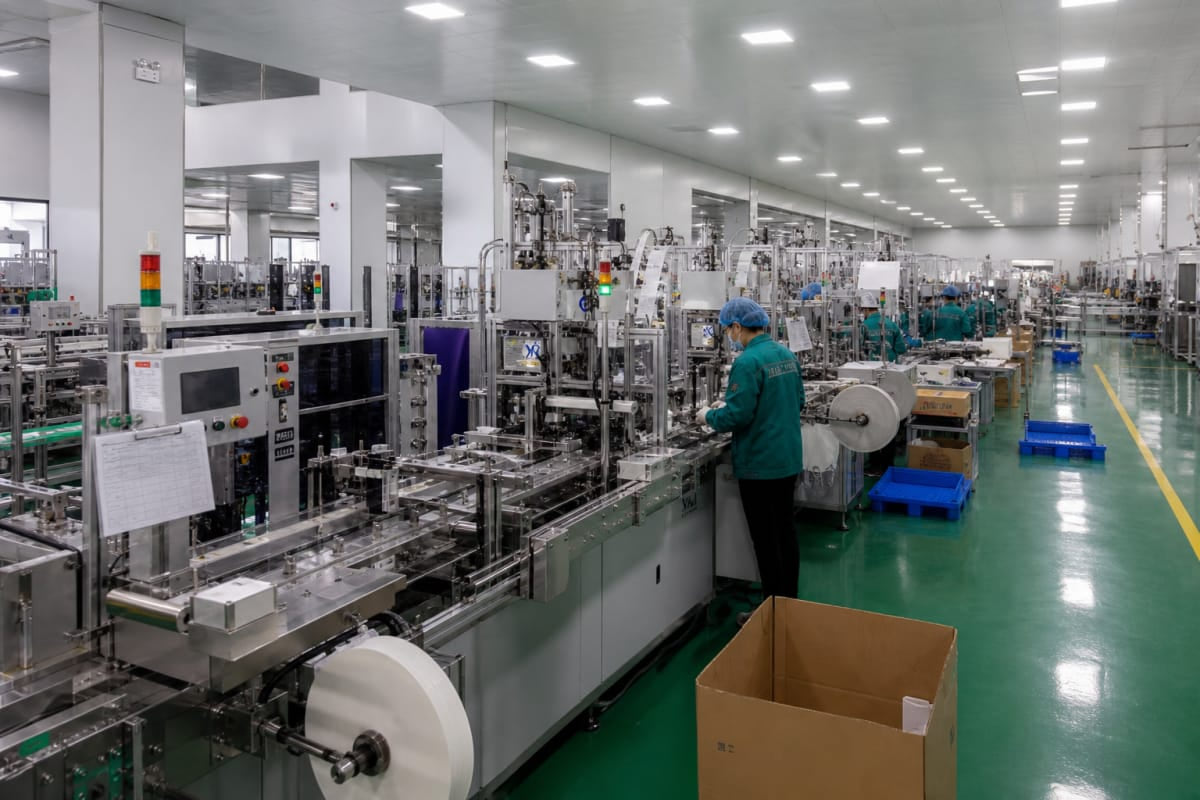
A Manufacturing Review with Context.
Look at the process. Then ask the questions that matter to your pack.
Production Route
Forming and Operations
Packing and Handover
Follow the Pack Through Production.
Four production stages to discuss when reviewing your proposed packaging.
Paper & Barrier
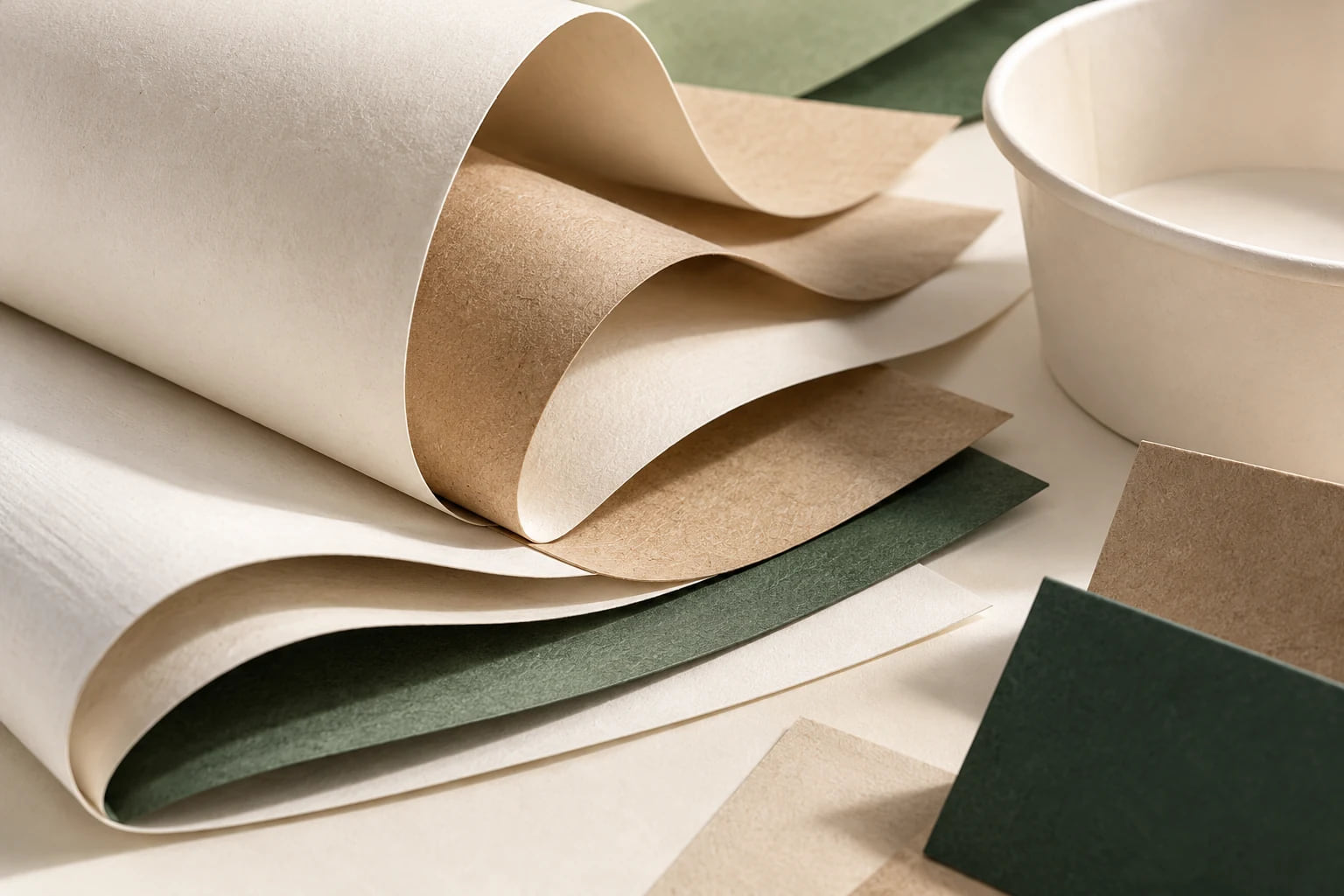
Identify the board, paper weight and food-contact lining for the proposed structure. Keep the lid and any separate components on the same specification.
Review: material and component listPrint & Conversion
Agree the artwork version, print method, colour reference and cutting layout. Check the complete artwork on the selected paper surface.
Review: artwork approval and dielineForming & Assembly
Review seams, bottom construction, folds, rims and closing interfaces. The filled pack must work as a complete assembly.
Review: finished sample and drawingInspection & Packing
Connect the approved specification to the inspection plan, case quantity, carton dimensions and dispatch documents.
Review: acceptance and packing recordsDifferent Formats. Different Production Priorities.
Use the product family to make your factory review specific.
Manufacturing review by product family
Paper Cups
Production Focus
Printed wall, side seam, bottom seal and rim formation.
What to Approve
Cup drawing, fill line, lid fit, print position and nesting.
Keep this decision with the approved SKU, sample and artwork record.
Paper Bowls
Production Focus
Wall and base structure, lining, rim and matched closure.
What to Approve
Portion fit, filling conditions, lid engagement and packed stability.
Keep this decision with the approved SKU, sample and artwork record.
Folding Containers
Production Focus
Die-cut layout, score lines, folds, tabs or bonded areas.
What to Approve
Internal usable space, closing routine, food contact and stacking.
Keep this decision with the approved SKU, sample and artwork record.
Coordinated Ranges
Production Focus
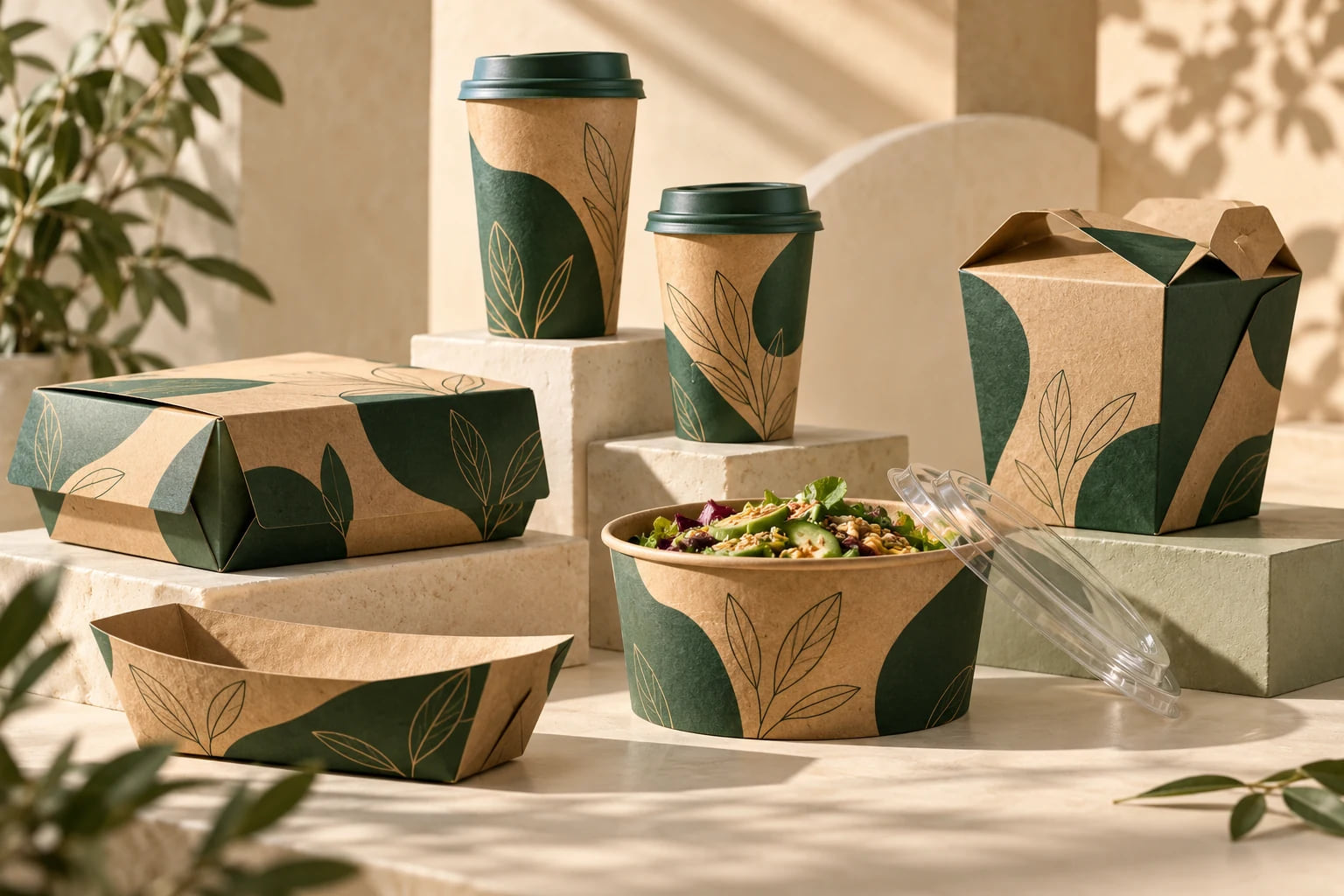
Shared artwork with format-specific layouts and component control.
What to Approve
A versioned SKU schedule with independent approval for every size.
Keep this decision with the approved SKU, sample and artwork record.
Make Your Factory Review Productive.
Focus on the equipment and records relevant to the items you intend to buy.
Trace the Actual Product
Ask which operations apply to your SKU, where each operation is performed, and how bought-in lids or other components are controlled.
Review the Production Plan
Assess your order against the proposed configuration, artwork count and packing. A factory-wide headline capacity does not define a schedule for your exact SKU.
Agree the Review Scope
For a video review or on-site visit, share the product list and your technical questions first. Confirm the date, access arrangements and documents that can be shown.
Connect Evidence to Approval
Keep a record of the reviewed drawing, sample version, material description and final packing agreement. These records make repeat orders easier to compare.
See the Process in Context.
A manufacturing review becomes more useful when you connect the product drawing to the relevant production operations. Use current images or a live review to ask about setup, forming, inspection and packing for your proposed SKU.
A Focused Factory-Review Checklist.
A practical buyer worksheet covering production scope, materials, inspection, packing and repeat-order controls.
Before You Review the Factory.
Can I Arrange a Factory Video Review?
Send your product list, intended order and the operations you want to review. The team can discuss the available review format, timing and access arrangements for your project.
How Should I Evaluate Production Capacity?
Request an order-specific plan. Product size, construction, print changes, number of SKUs and packing all affect scheduling. Confirm the proposed production window in the quotation and approval record.
Where Can I Find Quality and Test Information?
The Quality & Testing page explains the product checks and documents to discuss. Ask for information matched to the proposed product and intended use.
Review Your Supply Requirements.
Share your product family and order plan to discuss the relevant production route.
Bring the Discussion Back to the Product
Move from your buying brief to the product formats and specifications worth reviewing.