
 United Kingdom market guide
When Does Custom Paper Packaging Make Sense for a UK Food Business?
A custom packaging programme is most useful when the business can predict demand for each format, keep its artwork stable and approve a specification that staff can use consistently. A café name printed on a cup is only one part of that decision. The order must also fit the menu, the storage available and the way goods will be replenished.
A commuter coffee business may need one dependable hot-cup and lid combination across several small counters. A takeaway group may need bowls that travel well alongside separate side dishes. A wholesaler may need plain and private-label versions of a core range for customers with very different consumption rates. Those buying tasks should produce different quotations, even if all three enquiries mention wholesale paper packaging.
For a new opening or a short campaign, buying available stock through a distributor can be more practical than committing to a dedicated print run. For repeat programmes, direct manufacturing becomes worth comparing once the business can describe quantity by size and artwork, required documentation and the delivery arrangement. This guide helps make that comparison before a large order becomes a stockholding problem.
The UK Market: Plan Around Service Channels and Four-Nation Operations
A useful UK brief distinguishes the counter, delivery and retail channels before discussing colour or price. A cup filled at a station kiosk is handled differently from a drink packed with a delivery meal. A chilled salad sold from a shop display needs a different label and presentation plan from a bowl filled to order in a café. Start with how the customer receives and uses the pack, then decide which specifications can genuinely be shared.
Separate Great Britain and Northern Ireland in the Supply Plan
List the countries in which the range will be supplied, and distinguish an English distribution centre from the final outlets it serves. The same stock file may be used in England, Scotland, Wales and Northern Ireland, but a single warehouse address does not make every product and documentation question identical. A multi-nation business should allocate responsibility for checking current local restrictions and the relevant food-contact regime.
Four-nation review is especially important when comparing a paper-based product containing a plastic coating with an uncoated alternative. A material description such as “kraft” leaves that question unanswered. Ask for the complete construction, including any separate lid, and keep the market decision attached to the product record rather than relying on a broad sustainable-range label.
Treat Compact Storage as Part of Product Selection
For a small urban counter, the ability to hold cups, lids and food containers in clean, accessible storage affects the workable range. Consolidating compatible products may reduce handling, but should follow a real menu trial. A bowl large enough for every meal can use more space and present smaller portions poorly. Measure the filled meal and the receiving area instead of selecting the largest catalogue capacity as a universal option.
Which UK Businesses Are Ready for Custom Cups, Bowls and Takeaway Boxes?
Readiness depends on demand stability and purchasing control rather than simply the number of outlets. A focused independent bakery may have a clearer requirement than a larger group whose sites choose different sizes and artwork. Before requesting a custom quote, identify who can approve the specification, who holds stock and who decides when to reorder.
| Buyer | A useful custom programme | Decision to settle first |
|---|---|---|
| Coffee-to-go operator | A core hot-cup range used repeatedly across the morning and afternoon menu. | Serving volume, hand comfort and a documented lid reference. |
| Bakery or sandwich business | Coordinated drinks and food packs where branded presentation is used daily. | Which meals are filled to order and which are sold prepacked. |
| Delivery-led restaurant group | Meal containers selected around the actual dispatch and carrying routine. | Holding time, lids, side-dish separation and staff packing trials. |
| Foodservice wholesaler | A private-label family with clear carton and batch information. | Forecast by SKU and the stock responsibility for slower customers. |
| Contract caterer or venue operator | A specification linked to a recurring contract or venue programme. | Site conditions, reusable service and leftover print inventory. |
A business that cannot yet answer these questions may still buy good paper packaging, but plain stock can preserve flexibility while the menu settles. A logo label or sleeve is another option where suitable; include its purchase, application and handling costs. The first decision is whether the business needs custom printing now, rather than whether a factory can print its name.
Use Customer-Facing Exposure to Prioritise the Range
A cup seen in the customer’s hand may carry more brand value than an outer container immediately placed inside a delivery bag. That does not establish a fixed marketing return, but it helps prioritise where limited custom budget should go. Keep the first programme manageable and add formats only when the operation has a reason to standardise them.
Stock Packaging vs Custom Printing for a UK Launch or Established Range
Compare the two options using a complete service unit. If a plain cup requires a sleeve and a label, compare that assembly with the proposed printed cup, including the staff time and stock locations each needs. If a container is already labelled for a prepacked food range, check whether additional branding leaves room for required product information.
| Situation | Stock or plain range | Custom print run |
|---|---|---|
| Opening date still moving | Allows purchasing closer to confirmed demand where suitable stock is available. | Can create dated or branded inventory before the outlet is ready. |
| Core menu selling regularly | Provides a flexible reference while quantities are measured. | Worth comparing when repeat use by size supports a planned run. |
| Limited event or promotion | May avoid leftover campaign print, depending on branding method. | Requires a realistic sell-through plan for every artwork. |
| Growing multi-site business | Useful as a tested contingency for unusual demand. | Can establish a controlled common specification and identity. |
Do not use the combined annual quantity to justify every print variation. A business consuming a substantial number of cups overall may use one particular size only occasionally. Splitting that size across several seasonal designs slows consumption further. Ask how artwork changes alter the manufacturing minimum, proofing requirements and unit cost.
Keep a Launch Decision Reversible Where Possible
For an unproven menu, trial the dimensions and closure before investing in an elaborate print scheme. Staff feedback on filling and lid application is often more actionable than a digital image. Once the format works, agree which artwork features must be retained on later orders and which can change without introducing a new production version. The result should be a range the business can actually use, rather than a larger assortment chosen simply because the catalogue makes it available.
UK Distributor vs Overseas Manufacturer: Compare Service and Responsibility
A local stockist and a direct manufacturing partner should not be compared only on a quoted price per thousand. One offer may include smaller releases from stock, while another assumes a production quantity delivered on a different freight basis. Ask both suppliers to define what they will supply, where ownership and risk transfer, and which services remain with the buyer.
| Priority | UK or regional distributor | Direct manufacturing arrangement |
|---|---|---|
| Urgent replenishment | Check physical stock of the exact cup, lid and container before relying on availability. | A new custom run may be unsuitable for a short replenishment gap. |
| Repeated private-label range | Clarify who controls the manufacturing specification and change approvals. | Discuss materials, artwork and repeat runs directly with the manufacturing party. |
| Multiple delivery sites | Compare call-off and onward-distribution arrangements. | Decide whether the buyer or a logistics partner will split the inbound stock. |
| Import administration | Identify what is included in the delivered offer. | Agree the importer, broker, Incoterm and named destination before comparing totals. |
| Slow-moving products | Review supplier stock commitment and substitution rules. | Calculate the months of inventory represented by the minimum run. |
A mixed approach can be commercially sensible: planned custom production for a stable core range and a compatible stocked option for exceptional demand. Compatibility needs to be demonstrated. A replacement cup described as the same nominal size may require a different lid, and a backup meal container may alter the packing routine.
Fude is a China-based manufacturing option within this comparison. A UK buyer should review its proposed products, supporting documents, production scope and quotation in the same way as those of any shortlisted supplier. There is no need to assume a specific cost saving, transit time or local stock facility before the actual arrangement is agreed.
Packaging Restrictions in England, Scotland, Wales and Northern Ireland
Make a destination matrix for the products being considered. DEFRA’s England guidance distinguishes banned items from restricted items and describes exemptions for certain plates, bowls and trays used as packaging. It also addresses materials partly made of plastic. That scope should not be extended automatically to every nation or every paper-coated format.[2]
| Market | How to organise the review | What to record |
|---|---|---|
| England | Use current DEFRA guidance for the exact product and use as packaging. | Material structure, product category, end use and any relevant exemption. |
| Scotland | Consult the current Scottish rules for the product supplied to Scottish outlets. | Applicable restriction and date, rather than importing the England assessment. |
| Wales | Check the Welsh Act and its latest implementation notices. | Current phase and scope, especially when reading older implementation timetables. |
| Northern Ireland | Check DAERA implementation status and the applicable food-contact route. | Current rule versus proposal, and the specific territory supplied. |
The Welsh Government’s February 2026 update says it no longer intends to implement the previously planned spring-2026 bans for the listed carrier bags, polystyrene lids and oxo-degradable products on that timetable. An older procurement checklist can therefore give a misleading answer.[3]
DAERA describes work on transposing specified Single Use Plastic Directive provisions as in progress, with legislation currently expected in 2027. Treat that as an implementation status to monitor, not as a statement that every described restriction is already in force.[4]
The buying action is to maintain a product-by-destination register and review it before artwork or material changes. This is particularly helpful for a wholesaler whose customers operate in more than one nation. It is more useful than printing a general UK compliant claim on a sales sheet without showing what it covers.
Check the Material-Specific Scottish Product Scope
The Scottish Government’s final product guidance identifies single-use cups, beverage containers and food containers made wholly or partly from expanded polystyrene within the relevant regulated categories. Its cup examples distinguish other beverage cups, including those with or without a plastic lining, from the EPS cup category. This is not an assurance that every alternative cup meets every other requirement. For a shared coffee programme, record the cup body, coating and lid separately and assess them against the actual Scottish rules and intended use. A paper appearance and a broad plastic-free sales category cannot replace that product-level check.[6]
Single Wall vs Double Wall vs Ripple Wall Cups for UK Coffee Service
Hot-drink packaging should be evaluated as a cup, lid and any sleeve used together. The preferred wall construction depends on fill temperature, handling time, brand presentation and the counter routine. An extra outer layer can address handling, but does not settle lid fit, print quality or the overall cost of the serving system.
| Construction | Potential role | Trial priorities |
|---|---|---|
| Single wall | A defined hot- or cold-drink specification with a smooth branding surface. | Hand comfort, sleeve need, condensation where relevant and lid retention. |
| Double wall | Hot-drink service where an outer wall is part of the handling solution. | Separation from stacks, comfort, print appearance and carton volume. |
| Ripple wall | A textured wrap where grip and hot-drink handling are important. | Artwork legibility over the texture, stacking and the selected lid. |
Translate Menu Sizes into an Exact Cup Specification
Give suppliers the menu’s serving volumes and the required space below the lid, not only an ounce label. Check foam, toppings and the way staff fill drinks. Nominally similar cups can have different rim diameters and heights, so maintain the cup and lid references together in the purchasing record.
At a busy counter, observe how reliably staff separate cups, apply lids and hand over the finished drink. For a delivery programme, repeat the trial inside the actual carrier or bag. A cup that works for immediate handover may need a different carrying arrangement when it travels with food. Ask the supplier to confirm the precise specification being sampled; do not treat a generic sample as proof for every size in the range.
Paper Bowl vs Folded Lunch Box for UK Food-to-Go Menus
The meal, its filling conditions and the carrying journey should determine the container structure. A dressed salad, a hot rice meal and a sandwich-side combination behave differently. Buying a single oversized container to simplify ordering can create poor presentation, unnecessary storage use or an unsuitable closure for particular dishes.
| Format | Where to begin the trial | What may change the choice |
|---|---|---|
| Bowl with separate lid | Chilled salads, grain bowls and meals suited to a bowl presentation. | Filled stacking, dressing contact, lid visibility and handling after filling. |
| Folded lunch box | Prepared meals where a folded closure fits the portion and dispatch routine. | Condensation, greasy food, closure opening and base rigidity. |
| Compartment container | A menu with components that need physical separation. | Whether portions fit each section and separation remains effective in transit. |
| Open tray or snack cup | Counter-served items eaten shortly after purchase. | Exposure and carrying protection during a longer journey. |
For prepacked shop food, leave sufficient room for the food business’s label requirements and a legible date or batch process. For items packed to order, examine how quickly staff can close the pack and whether the food forces the closure out of shape. These are different operating tests even if the empty pack looks identical.
Use Repeatable Menu Trials
Write down the food, fill level, holding conditions and carrying method. Ask more than one staff member to pack the sample using normal service movements. Record leakage, closure changes or unacceptable deformation and retain a successful filled-pack reference photograph. The photograph supplements the specification; it should not replace dimensions, materials and intended-use information.
Paper-Based, Plastic-Containing and Reusable Packaging in a UK Range
A paper appearance is not a material declaration. The inner barrier, adhesives, inks and lid affect the finished system. If the buying objective is a particular claim, ask exactly what the claim covers and which documents support the finished structure. Material choice should also reflect whether the site can operate a reusable service or access an appropriate collection route.
| Description | Buyer’s question | Evidence needed |
|---|---|---|
| Paperboard with barrier | Is the complete construction suitable for the specified food and conditions? | Composition and intended-use information for the actual pack and lid. |
| Fibre-sourcing claim | What part of the supply and printed claim does the certification cover? | Relevant scope, authorisation and traceable purchasing information. |
| Recyclable claim | Will the complete pack be accepted in the route available to the customer or site? | A supported product assessment and clear, locally appropriate instructions. |
| Compostable claim | Which conditions and receiving facilities are relevant to the product? | Product-specific evidence and acceptance by the intended processor. |
| Reusable system | Can returns, cleaning, storage and redistribution work at this outlet? | An operating plan and suitable containers, rather than a material slogan. |
For a contract caterer, an on-site collection system can be evaluated as part of the service contract. For a commuter takeaway business, disposal may occur away from the outlet. The wording printed on the pack should remain understandable in that real setting and should not imply an available service that the operator has not arranged.
Do not turn a material preference into an unsupported performance assumption. A different coating may change the food-contact evidence, print behaviour, sealing or storage conditions. Treat a proposed substitution as a product change that requires review, rather than allowing a supplier to replace it silently under a broad eco range description.
UK Packaging EPR Data and Food-Contact Documentation for a Custom Order
Current GOV.UK guidance asks businesses to assess whether their packaging activities and circumstances create EPR obligations. The activities include importing or supplying unfilled packaging and supplying filled packaging under a brand. The responsible party and applicable requirements should be established for the transaction, rather than inferred from who printed the logo.[1]
| Record | Purpose | Approval question |
|---|---|---|
| Product specification | Defines structure, dimensions, lid pairing and intended use. | Does it describe the proposed production version, not merely a similar sample? |
| Food-contact evidence | Supports review of the ordered materials and conditions. | Are the territory, material scope and actual food-contact conditions relevant? |
| Material and component weights | Supports the buyer’s assessment and any required packaging data process. | Are cup, lid, transport carton and other components identified consistently? |
| Artwork register | Links the printed information to an approved file. | Who approves changes for UK outlets and any Northern Ireland supply? |
| Batch and inspection records | Connects production and receiving checks to delivered goods. | Can an issue be investigated without treating every carton as identical? |
For regulated food-contact materials, use the Food Standards Agency’s current guidance to check the relevant authorisation position and jurisdiction. A reference to an authorisation route is not a universal finished-pack safety certificate. The practical review still needs the product construction and the conditions in which the food business intends to use it.[5]
Decide who will retain the evidence and keep it accessible to purchasing, quality and the person responsible for packaging reporting. A large file of certificates is less helpful than a short index explaining which document supports each ordered SKU. Ask for the missing information before artwork and production are approved.
How to Evaluate a Paper Packaging Supplier Beyond the Catalogue

A useful supplier review asks how the proposed specification will remain consistent over time. Start with the product and production scope, including outsourced work where relevant. Then ask how material changes, lid changes and artwork revisions are controlled. A broad range does not establish that the supplier can deliver the exact combination the business needs.
Check the Quality Response Using a Realistic Issue
Describe a plausible complaint: a batch of lids fits differently, a printed colour changes or a meal box loses acceptable rigidity during the agreed use. Ask what information the supplier would need, how batch records would be identified and how the matter would be resolved. Agree the response process and commercial remedies before the first shipment rather than relying on a general satisfaction claim.
A first custom order should be narrow enough to evaluate. Choose representative formats and specify acceptance criteria that a buyer can actually check. If the supplier’s proposal refers to a material family or product group, establish why the evidence applies to the precise size, coating and lid being ordered. Do not infer full-range suitability from one successful sample.
Keep People and Decision Rights Visible
Identify the commercial contact, technical reviewer and artwork approver on both sides. A distributor may be the correct daily contact while production evidence originates elsewhere. That arrangement can work if the communication path is clear. A direct factory arrangement still needs named responsibility for order changes and final approvals. The important quality is a usable process, not a title on the supplier’s website.
Custom Paper Cup Artwork: Approve the Print and the Operation Together
Prepare artwork after the format and use are agreed. A flat logo file does not show the seam, wrap, visible area below the lid or the way graphics appear on a textured cup. Provide brand colours and final text, then review the actual printable area for every product in the range.
Keep Promotional Print Separate from the Core Specification
A UK café group may prefer stable core artwork for predictable replenishment, with promotional messaging handled through an appropriate separate element. A venue may need a dedicated event design but should calculate its useful life. Neither choice has a universal cost advantage; compare setup, handling and leftover inventory for the actual programme.
Clarify what the supplier is asking the buyer to approve. A digital mock-up is useful for placement but is not the same as a structural sample or a printed production-representative sample. If the sample uses a different substrate or print method, identify the difference and the outstanding review. Avoid treating an attractive screen image as evidence of food performance or colour consistency.
Use a Controlled Final File
Record the artwork version, print process, material, size and approval date. Where several franchisees share a range, make clear whether an individual site can change the text or colours. Keep superseded files out of the reorder route. This practical control is particularly valuable when the same supplier also supplies plain items or earlier seasonal designs that look similar in a carton list.
From Samples to Repeat Orders: A Workable UK Packaging Partnership
The cooperation should progress through decisions that leave evidence the next person can understand. A concise project file is enough if it links the requirement, proposal, sample, artwork and order. The aim is to prevent assumptions travelling unnoticed from an early conversation into production.
Build and Test a Comparable Proposal
Send each shortlisted supplier the same menu conditions, volume by SKU and delivery basis. Ask them to mark any deviation in the response. Trial the proposed pack at the counter and, where relevant, in the delivery journey. Retain the approved specification and sample references rather than relying on a memory of which sample looked best.
Authorise Production on a Complete Order
Before the run, settle quantities, packing, artwork, evidence, acceptance criteria, inspection, payment stages and delivery terms. Record which unresolved points block production and who can close them. A written approval should identify the version being approved; a brief message saying proceed is ambiguous if several sizes or proofs have been discussed.
Review the First Delivery Before Scaling
Compare incoming goods against the agreed record, record batches and investigate deviations with the supplier. Ask staff whether the packs improved or disrupted service. Use actual consumption and remaining stock to update the next order. The best repeat order may reduce a slow size or simplify the assortment rather than increase every item. A partnership becomes easier to manage when changes are deliberate and the supplier knows which aspects must remain stable.
MOQ, Landed Cost and Stockholding for a UK Packaging Order
Ask for the minimum production quantity for each size, structure and artwork. A mixed shipment is a logistics arrangement and does not necessarily reduce the production minimum of every SKU. Keep these two questions separate when planning a range with cups, lids, bowls and boxes.
| Cost area | Include | Common error to avoid |
|---|---|---|
| Product system | Container, lid, sleeves, labels, print and setup. | Comparing a container-only price with a complete serving system. |
| Transport scope | Cartons, dimensions, weights, Incoterm and named destination. | Treating a port quote as an equivalent warehouse-delivered price. |
| Import and administration | Brokerage, applicable duties and tax cash flow for the arrangement. | Using an unverified universal customs rate or assuming all formalities are included. |
| Storage and obsolescence | Warehouse space, internal handling and unused print stock. | Calling a larger run cheaper without checking when it will be consumed. |
For forecasting, calculate usage at the SKU level and add a buffer based on the replenishment uncertainty the parties have actually discussed. Do not turn a catalogue production estimate into a warehouse-arrival guarantee. Artwork, sampling, transport and receiving can each affect the date a business can use the goods.
For a multi-site programme, compare central stock and outlet stock together. A head office may see cartons available while a particular site is short of the matching lid. Keep stock units and order references consistent, and decide who can authorise a compatible contingency product. These operational details can prevent more disruption than a small apparent saving in the quoted unit price.
Three UK Purchasing Scenarios That Lead to Different First Orders
A Small Bakery Counter Testing Branded Coffee
The first task is to record the drinks actually sold by size and the available storage, then trial the cup and lid through normal service. Plain stock can remain the reference while the buyer compares a stable printed design. If the order is justified, start with the format with predictable consumption rather than printing every occasional serving size. The buyer should know how the sample, artwork and production version relate before committing.
A Takeaway Group Operating Across Several UK Nations
The group needs a shared menu specification plus a destination review. A central depot can consolidate purchasing, but outlets still need clear instructions about the approved pack and any material or labelling differences. Review each product’s territory and use, then decide whether one specification can be used throughout the network. Place the result in the purchasing register so expansion into another nation triggers a check rather than an automatic reorder.
A Wholesaler Building a Private-Label Assortment
The wholesaler should forecast the range by customer demand and size, not by an optimistic combined total. Cup and lid data need to remain linked, and slower containers may justify a different stock model. Obtain material and packing data in a reusable format, agree the complaint path and define the manufacturing version behind the private label. Start with an assortment that can be supported operationally, then add formats when actual resale data and evidence justify the expansion.
For receiving teams, write carton descriptions that distinguish the nation-specific or artwork-specific versions without opening every case. An internal SKU should identify more than the visible brand name. This matters when a common private label covers both plain and printed packs, or when an older version remains available as a contingency. Agree who is allowed to release that contingency and keep store instructions aligned with the purchasing record. A clear receiving and allocation process makes a shared range workable; it does not require every outlet to hold the full assortment or make its own technical purchasing decisions.
FUDE Product Options for Buyers in the United Kingdom
Use these existing catalogue items as starting points for a written specification and sample review. Confirm the proposed structure, available options and supporting documents for the actual order.
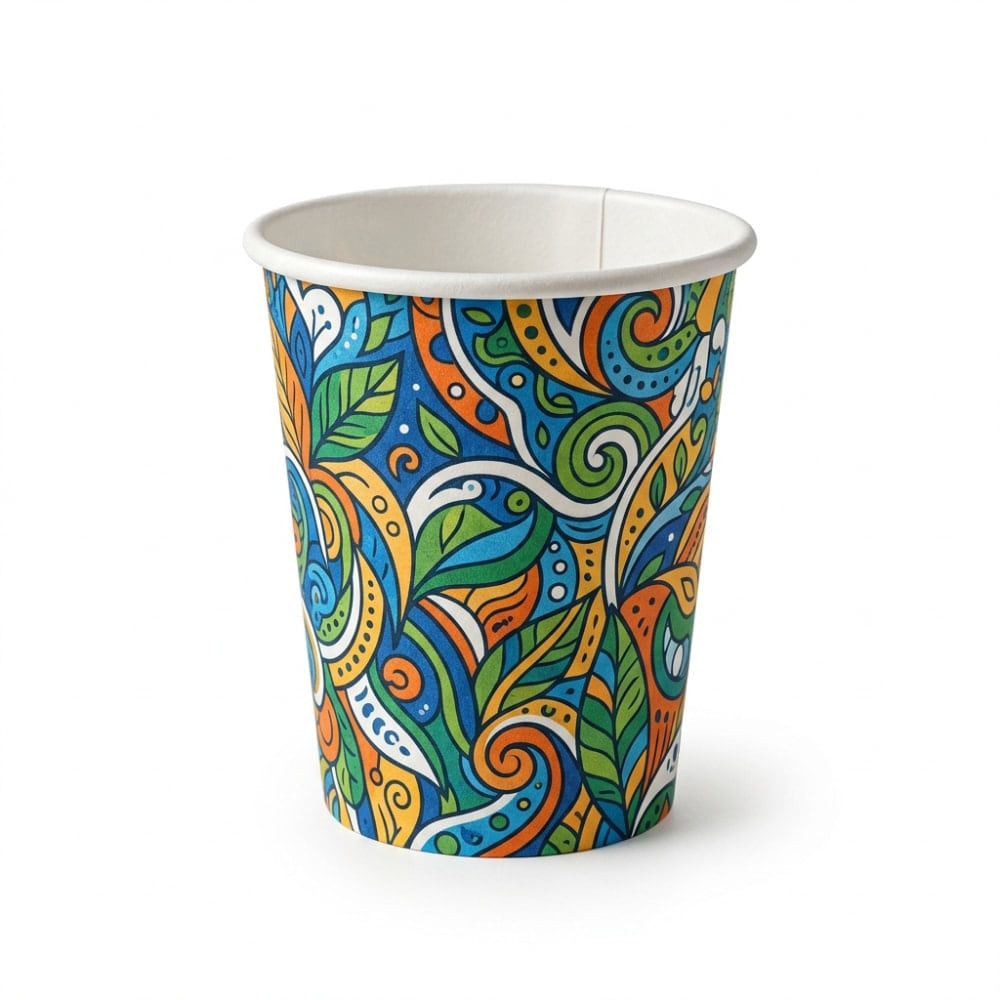
Custom Single Wall Paper Cups
A starting point for a defined UK beverage programme where a smooth print surface and a manageable core range are priorities.
Review for the enquiryMenu volume in ml, cup rim and lid reference, coating, hand comfort and sleeve arrangement.
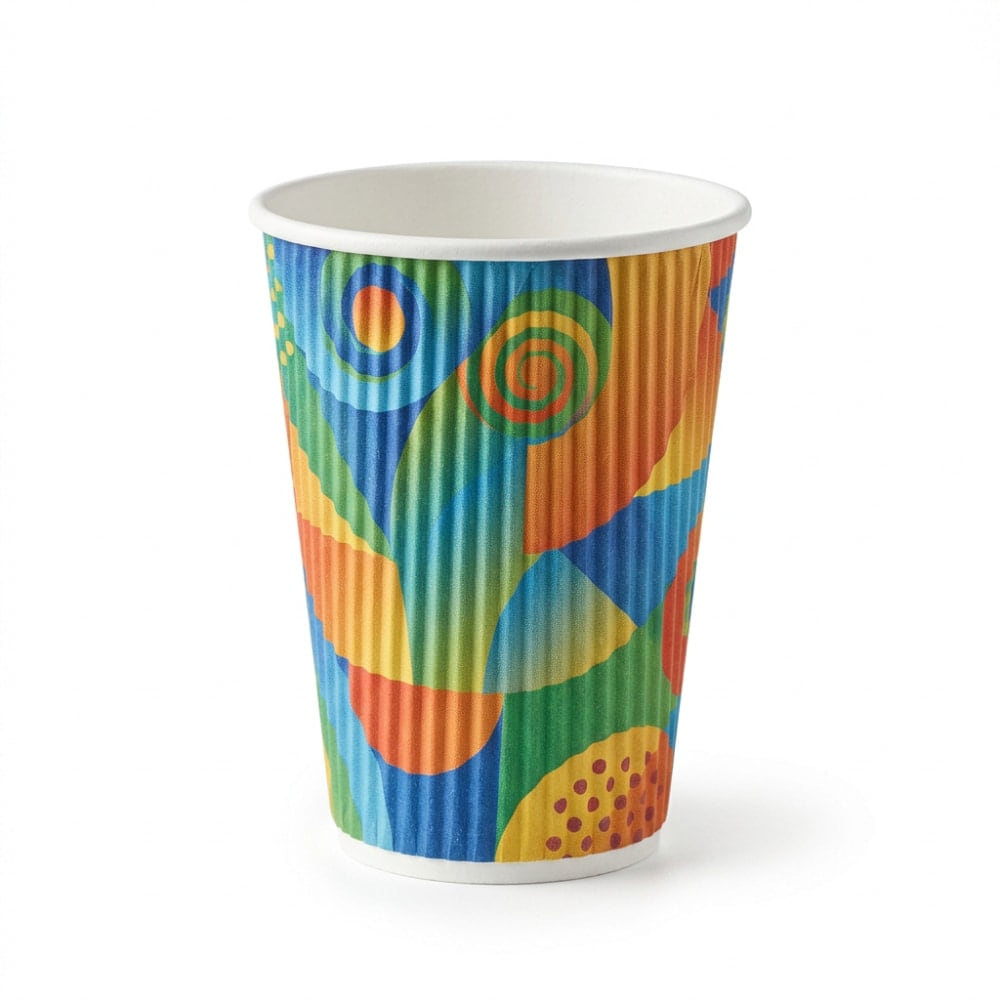
Ripple Wall Hot Drink Cups
Consider for coffee-to-go counters prioritising grip and a textured branded hot-drink presentation.
Review for the enquiryPrint legibility, normal fill temperature, stack separation, lid retention and carton requirements.
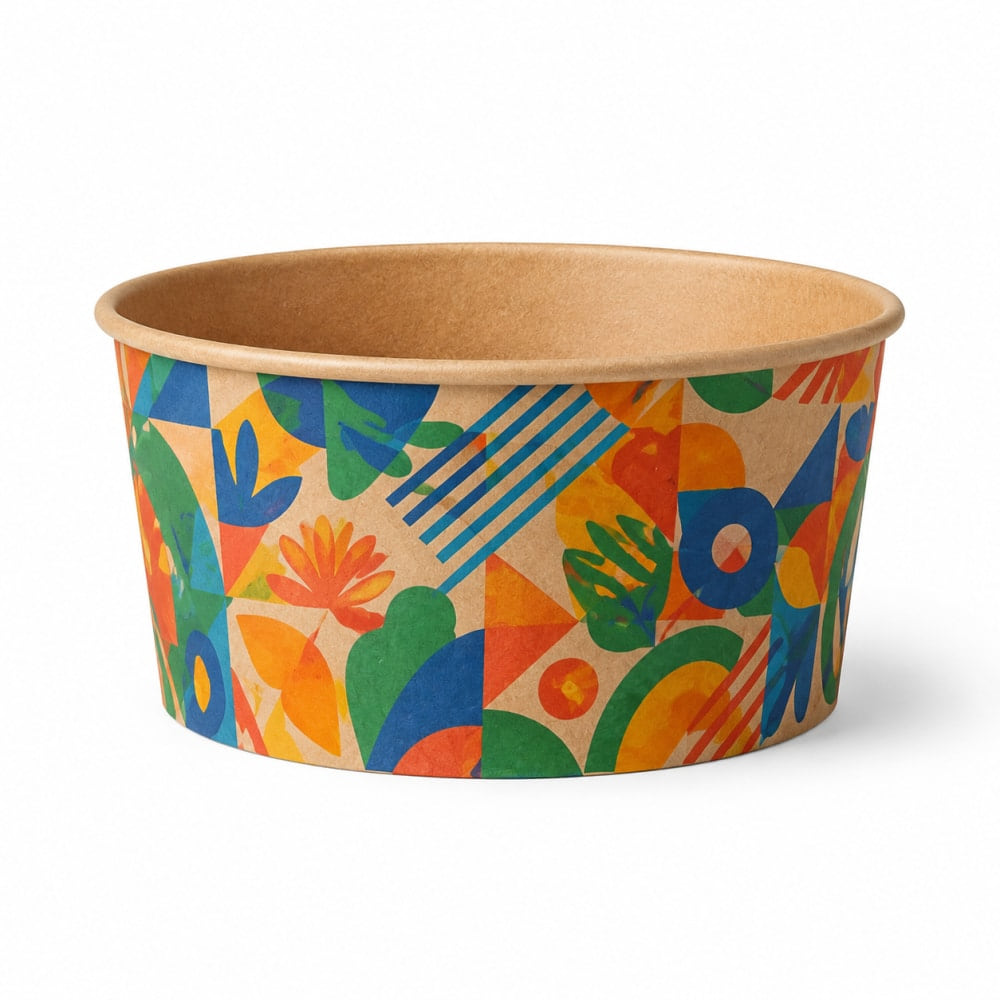
Kraft Paper Salad Bowls
Consider for chilled salads and bowl meals where display and a separate lid suit the service model.
Review for the enquiryFilled portion, dressing contact, food-contact scope, label area and loaded stack stability.
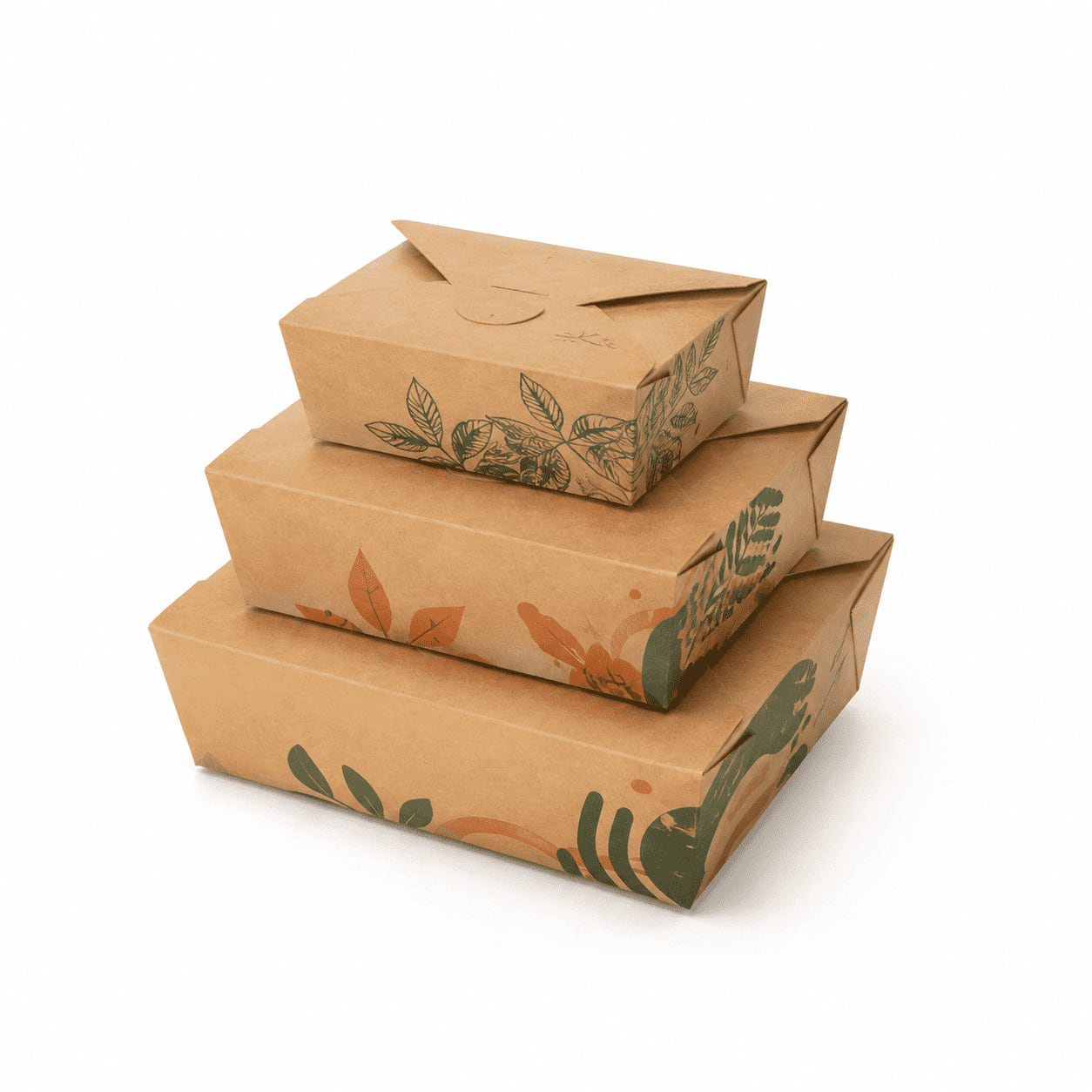
Kraft Paper Lunch Boxes
Consider for takeaway dishes that suit a folded carton and a controlled packing routine.
Review for the enquiryMenu compatibility, closure security, grease and condensation response, carrying trial and batch identification.
FAQs: Sourcing Paper Food Packaging in United Kingdom
Can a Single UK Café Buy Custom Paper Cups?
Yes, if the supplier’s minimum, the café’s consumption and its storage plan fit together. Measure usage by size and design, trial the full cup-and-lid system and compare stock alternatives before approving a run. A custom design is less useful if much of the printed inventory outlasts the menu or brand artwork.
Does UK Packaging Have One Set of Single-Use Restrictions?
No single England assessment should be treated as a complete four-nation answer. Review current guidance for England, Scotland, Wales and Northern Ireland and record the destination, product category, materials and use. Distinguish existing rules from proposed changes and outdated implementation timetables.
Are Paper Cups with Plastic Coatings Covered by Plastic-Related Rules?
They can be relevant to rules that include partly plastic products. A kraft or paper description is not sufficient to make the assessment. Obtain the complete construction and check the actual product against the relevant national guidance, including any use-specific distinctions or exemptions.
Is a Local Distributor Always More Expensive than a Manufacturer?
No. Compare the same quantity, complete product system, delivery scope and stock responsibility. A distributor can provide value through available stock or smaller releases. Direct production may suit a planned recurring range. Neither route has a universal landed-cost or service advantage.
Which Documents Should Be Requested with Samples?
Request the product specification, material construction, intended-use information and relevant food-contact evidence, alongside lid and packing references. Explain how the sample differs from the proposed production version, if at all. The buyer should be able to connect the documents to the SKU under consideration.
How Should MOQ Be Compared for a Mixed Order?
Ask for the production minimum by size, structure and artwork, then discuss shipment consolidation separately. A shipment containing several products does not necessarily combine their minimum production runs. Estimate how long each SKU will remain in stock and include slow-moving variants in the commercial decision.
Can a Custom Cup Replace a Separate Sleeve?
Only after the complete proposed system has been assessed at actual service conditions. Compare handling comfort, print presentation, storage and staff movements. Do not remove an element merely because another wall construction is described as insulated; approve the cup and lid configuration that has been tested.
What Makes Repeat Orders Easier to Manage?
A stable specification, controlled artwork, linked cup-and-lid references, retained samples and a forecast by SKU. Review actual use after the first delivery and approve any material or manufacturing change before the next run. Clear records are more reliable than asking for the same product without its version details.
Send a Supplier Enquiry for the United Kingdom
You can include the menu, quantity by SKU and actual delivery point in your message. Enter your phone number with calling code, email and message, then choose Send Enquiry to submit directly through Zoho Forms. Your name and any product or quantity selections are optional.
Sources and Further Reading
Research checked on 22 October 2026. Official references support the local factual context; comparison frameworks and illustrative scenarios are purchasing guidance.
DEFRA: single-use plastics bans and restrictions in England ↗
Welsh Government: Single-use Plastic Products Act and current implementation ↗
Food Standards Agency: food contact materials authorisation guidance ↗
Scottish Government: products covered by the 2021 Single-use Plastic Products Regulations ↗
Product images are from Fude’s existing catalogue. Sample-review scenes are AI illustrations. Confirm the proposed SKU, materials, documents, quantities and commercial terms for the actual order.
 Germany
 France
 Netherlands