
 Netherlands market guide
What Should Dutch Buyers Decide Before Ordering Custom Paper Food Packaging?
Begin with where the food or drink will be consumed and what the complete pack contains. For a Dutch office caterer, takeaway counter and delivery kitchen, that distinction can change the appropriate service system before the buyer reaches a choice of print or supplier. A paper body with a plastic barrier should not be classified from its appearance alone.
Custom packaging becomes more workable when the business has a repeat service, a defined disposable requirement and predictable usage for every printed variation. A dedicated cup range may suit a stable collection business. A controlled-access venue may first need to organise reusable service. A distributor handling several destination countries needs to separate Dutch-market stock from products intended for another market.
The purpose of this guide is to turn those questions into a purchasing sequence: identify the use, assess the materials and relevant requirements, choose a format, compare supply routes and approve a manageable first programme. The outcome may be a custom run, suitable plain stock or a different service arrangement. Volume purchasing should follow that decision rather than determine it.
The Dutch Market: Organise the Range by Consumption Setting
A packaging list organised only as cups, bowls and boxes misses an important Dutch purchasing distinction. An office canteen, an open takeaway counter and an event with controlled access do not necessarily have the same permitted or practical approach to disposable plastic-containing cups and containers. Ask the operator to describe the service setting before choosing a material.
Separate the on-Site Service from Collection and Delivery
Current RVO guidance distinguishes on-site consumption from food or drink collected or delivered for consumption elsewhere, with relevant exceptions. It explains an on-site restriction for disposable plastic-containing cups and containers and the need to consider reusable alternatives. Check the current guidance for the exact setting and any applicable exception rather than extrapolating from a generic hospitality label.[1]
For purchasing, maintain separate forecasts for those service settings. A business may serve many drinks without needing the same number of disposable cups. If one site has both a canteen and a takeaway window, staff should know which stock is intended for each use. This prevents the convenient nearby carton from silently becoming the default everywhere.
Do Not Treat a Policy Transition as a Reason to Stop Planning
The Netherlands has changed its planned approach to takeaway surcharges. That makes version control important: a buyer should know whether a checklist describes the current rules, the enforcement position or a proposal for a later year. Procurement can still proceed on a clear product specification while the business assigns responsibility for monitoring the relevant change. Uncertain policy does not justify uncertain materials, artwork or supplier evidence.
Which Dutch Businesses Are Suitable Candidates for Custom Cups and Containers?
A suitable custom programme begins with a repeatable service and a clear decision-maker. The fact that a business has a brand or several sites does not establish its disposable volume. Count the actual collection, delivery and other appropriate uses, and distinguish the service arrangements of each location.
| Buyer | Potential programme | Question to settle first |
|---|---|---|
| Collection-focused café | A restrained branded beverage range for identified off-site use. | Which drinks and sizes remain disposable after the service review? |
| Delivery kitchen | Meal packs assessed with the actual dispatch and carrying arrangement. | Food conditions, bag fit, transport movement and complete lid system. |
| Fresh-food retail counter | Bowls or boxes with room for food visibility and the real label. | Where and how the customer receives the prepared food. |
| Office or institutional caterer | Packaging selected as part of the site’s service and collection system. | On-site use, reuse arrangements and any valid exception. |
| Cross-border distributor | Clearly separated Dutch and other destination ranges. | Material, language, roles and product requirements for each market. |
A pop-up with an uncertain schedule may prefer available stock while the service and demand become clear. An established kitchen with a stable delivery menu can evaluate custom printing more confidently, but it still needs consumption by container size and artwork. Do not combine unlike formats into one optimistic annual number.
Choose the First Custom Item for a Reason
The best starting item is often one with repeated use, a stable menu role and a manageable print design. It need not be the most visually elaborate pack. If a product is used in only one short season or under an exception requiring special arrangements, include that constraint in the order decision. The supplier should understand the use being proposed, rather than receive a quantity without its operating context.
On-Site Catering vs Takeaway vs Delivery in the Netherlands
This comparison is the most useful first filter for a Dutch range. It connects the legal and practical service questions with the trial the buyer needs. Confirm the business’s applicable position using current official guidance before making a production commitment.
| Setting | Primary decision | What the buyer should retain |
|---|---|---|
| Office or canteen consumption | Start with the appropriate reusable system and current on-site position. | Service description, collection and washing plan, and any relevant exception review. |
| Food collected from an open counter | Assess the off-site serving system and reusable alternative. | Actual pack materials, handover routine and approved product references. |
| Home or workplace delivery | Evaluate the food through packing, holding and transport. | Recipe and portion, carrying trial and intended-use confirmation. |
| Controlled-access event | Review the event’s collection and reuse arrangement rather than assuming takeaway treatment. | Venue requirements and written allocation of operational responsibilities. |
A menu item can appear in more than one setting, but the stock plan should show why a particular pack is used in each. A bowl selected for delivery is not automatically the correct default for an on-site event. Likewise, a reusable offer needs an operating process; simply buying a durable-looking cup does not organise return, cleaning or stock rotation.
Ask the Operator to Explain the Customer Journey
Follow one order from till to consumption. Where is it filled? Does the customer remain on the premises? Who carries it, and where is the packaging collected? This exercise can reveal a misunderstanding earlier than a supplier quotation. It also produces a better sample brief because the manufacturer can see what performance is needed and which claims or instructions the business intends to communicate.
Dutch SUP Rules in 2026 vs the Proposed 2027 Takeaway Surcharge Change
RVO’s amendment page describes the planned abolition of the mandatory takeaway surcharge as a proposed change for 2027, with the exact commencement date not yet known. It also states that ILT has already stopped enforcing the mandatory surcharge in 2026. Those are distinct facts: an enforcement adjustment does not mean every proposed amendment is already law.[2]
| Topic | How to read the current position | Buying action |
|---|---|---|
| Takeaway surcharge | Distinguish the existing framework, non-enforcement and the proposed 2027 amendment. | Avoid locking a future charge statement into long-lived artwork without review. |
| Reusable alternative | Review the relevant ongoing obligation separately from the charge. | Plan the actual offer and staff instructions. |
| On-site use | Do not assume a takeaway proposal removes the on-site distinction. | Confirm the site and any applicable exception before choosing stock. |
| Material composition | Coated paper can remain relevant to plastic-containing product rules. | Obtain the full pack and lid construction before classification. |
A buyer can keep the artwork more adaptable by separating stable branding from statements that depend on a changing policy. Have the business approve the current wording and assign a date for checking it again before reprinting. That is different from asking the manufacturer to guess what the checkout or customer communication will need next year.
The practical objective is not to predict the final amendment. It is to avoid making an irreversible stock commitment based on an outdated assumption. Keep the product specification, forecast and supply arrangement clear while retaining an explicit review point for policy-dependent information.
Plain Stock vs Custom Print When a Dutch Service Model Is Changing
Custom printing can support a recognisable range, but it can also preserve assumptions that the business may soon revise. Where a site is changing from disposable to reusable service or separating delivery from on-site sales, measure the new demand before committing to a large printed balance.
| Programme stage | A plain-stock approach | A custom-print approach |
|---|---|---|
| Service setting still under review | Maintains flexibility while the correct use and material are confirmed. | May commit the buyer to an inappropriate volume or message. |
| Stable off-site offer | Provides a performance and consumption reference. | Worth comparing where each design has recurring use. |
| Temporary event | Can reduce exposure to dated artwork, subject to venue requirements. | Needs a confirmed venue arrangement and sell-through forecast. |
| Several destination countries | Allows allocation only where the exact specification is suitable. | Needs separate market and artwork controls rather than a generic Benelux claim. |
If a label or sleeve is proposed as an interim brand element, assess its real handling, design space and costs. A printed container is not necessarily cheaper than a labelled stock container, and the reverse is not universally true either. The comparison should include the complete serving unit and the quantity likely to remain unused.
Keep Policy-Sensitive Information Separate from the Identity
A stable brand can often last through several purchasing cycles, while a statement about a surcharge or collection arrangement may need earlier review. Decide what belongs on the pack and what is better communicated through a controlled service channel. That decision should be made by the operator with its relevant advisers; the supplier’s task is to reproduce the approved version consistently.
Dutch Stockist vs Direct Manufacturer vs Cross-Border Distribution
The Netherlands can be both a final market and a receiving point for goods destined elsewhere. State which role the order serves. Clearing a shipment or receiving cartons at a Dutch warehouse does not establish that every item is appropriate for Dutch consumer use or for onward sale in neighbouring markets.
| Route | Potential strength | What the buyer must clarify |
|---|---|---|
| Dutch stockist | Available products and smaller replenishments where stock is confirmed. | Exact version, evidence, substitution policy and included delivery. |
| Direct manufacturer | A dedicated production specification and planned custom runs. | Minimum by SKU, approval process, import scope and stockholding. |
| Regional distributor | Allocation to several customer or country programmes. | Destination controls, language and responsibility for each flow. |
| Mixed arrangement | Core custom stock with a tested contingency product. | Whether the alternative cup or container is truly compatible. |
For a distributor serving both Dutch foodservice and export customers, create separate SKU or version references when the printed information or approved destination differs. The physical pack may look alike, but the record should prevent the wrong version being allocated. A broad European-range description is less useful than an identified approved product for a named customer use.
When considering Fude as an overseas manufacturing partner, request a proposal for this actual flow. It should identify the construction, sample and print process, packing information and commercial delivery basis. Compare the proposal with other options without assuming a Dutch local warehouse, a fixed cost advantage or a guaranteed transit period.

Choosing Paper Coffee Cups for Dutch Collection and Delivery Services
Select cups after the service-setting review, then assess the complete beverage system. The relevant choice includes cup construction, rim, lid, serving volume and any sleeve or carrier. A wall description addresses only part of the operation.
| Cup | Possible use in the defined programme | What to test |
|---|---|---|
| Single wall | A specified off-site drink where the full handling system is suitable. | Actual fill temperature, sleeve arrangement, condensation where relevant and lid fit. |
| Double wall | An outer-wall option for a hot-drink handling requirement. | Stack separation, print surface, comfort and storage use. |
| Ripple wall | A textured option where grip and appearance suit the brand. | Legibility, lid retention and handling through collection or delivery. |
Use the Actual Cup-and-Lid Pair
Record the drink’s usable volume and headspace, as well as the nominal cup size. Ask whether the same lid is proposed for several sizes and confirm it on the real samples. A coffee programme can become difficult to replenish if staff treat similarly named lids as interchangeable.
If drinks travel with a courier, reproduce the carrying arrangement in the trial. For a bicycle-delivery programme, for example, the buyer should test the real carrier and movement rather than rely on a stationary counter photograph. This is a proposed operating scenario, not a claim that all Dutch delivery uses the same transport. Approve the packaging and carrier together where their interaction determines whether the service works.
Paper Bowls vs Folded Boxes for Dutch Prepared-Food Offers
The container should match the food’s portion, moisture, temperature and expected journey. A chilled lunch bowl, a hot takeaway meal and a snack collected for immediate eating should not be treated as interchangeable because they can all fit inside paper-based packaging.
| Format | Where the trial can start | What may rule it out |
|---|---|---|
| Bowl with separate lid | Salads and bowl meals that benefit from their presentation. | Inadequate lid fit, dressing leakage, poor filled stacking or insufficient label space. |
| Folded lunch box | Prepared meals compatible with the chosen closure. | Food height, closure movement, condensation or loss of acceptable rigidity. |
| Compartment pack | Menus needing components separated during handling. | Sections that do not fit real portions or fail to maintain useful separation. |
| Open tray or snack cup | Prompt eating after an appropriate counter handover. | A carrying or delivery requirement needing more protection. |
For chilled retail, test the pack with the real label and filled product in the display. For a delivery kitchen, repeat the dispatch routine with the normal sauce, sides and carrying bag. These trials should produce a written description of acceptable performance rather than a single attractive image.
Rationalise Sizes After the Portion Trial
A smaller number of formats can simplify purchasing, but only when each menu item fits adequately. An oversized bowl chosen to cover every dish may create poor presentation or unnecessary storage demand. Record where a shared container works and where a separate size is justified. The point of standardisation is to make the operation repeatable, not to eliminate every difference regardless of the food.
Plastic-Coated Paper vs Alternative Barriers vs Reusable Systems
The material review is especially important in a Dutch range because plastic-containing paper can remain relevant to SUP requirements. RVO describes rules for partly plastic products, while Verpact notes that even a small plastic layer can matter to the assessment. Obtain the complete construction rather than a percentage-free label such as natural paper.[5]
| Option or claim | Question to ask | Record to retain |
|---|---|---|
| Coated paper | What barrier, inks, adhesives and lid form the finished system? | Complete component description and intended-use evidence. |
| Alternative barrier | Is this specific version available and suitable for the required food? | Named proposal, representative sample and relevant documentation. |
| Fibre certification | What supply and claim does the certificate actually cover? | Current scope, traceability and approved logo use where relevant. |
| Recyclable or compostable | What finished-pack assessment and receiving route support the wording? | Evidence and acceptance under the actual collection or processing conditions. |
| Reusable service | Can returns, cleaning and storage function in this setting? | Operating responsibilities and a usable container system. |
Do not let a requested environmental claim become an unreviewed specification change. A different barrier can affect food use, print, sealing or storage. If the supplier proposes a substitute, ask which other approvals it changes and whether the existing documents still cover the product.
For a site operating collection or recycling under an exception, agree the operational evidence and responsibilities with the appropriate reviewer. A supplier’s material document cannot by itself organise the venue’s collection performance. Keep that distinction visible when comparing a material-only offer with a complete service arrangement.
Dutch Supplier Documentation: Connect Food Use, Materials and Market Roles
The NVWA’s food-packaging inspection information illustrates why documents should identify intended use, including relevant foods, time and temperature conditions. For the buyer, the useful lesson is to obtain evidence tied to the proposed structure and use, not merely a company-level certificate.[4]
| Part of the file | What it should explain | What to question |
|---|---|---|
| Specification | Dimensions, barrier, lid reference and proposed food conditions. | A sample or report using a different material version. |
| Food-contact support | Relevant reports, declarations and scope for the materials concerned. | A generic EU-compliant statement without the underlying product connection. |
| Composition and weights | Separately identified pack components and packaging data. | A single combined weight that conceals a separate lid or other component. |
| Market role review | The responsible parties for the actual supply and destination. | Assuming the printer automatically fulfils the buyer’s reporting duties. |
| Artwork and batches | The approved text version and a route back to delivered goods. | Uncontrolled reprints or stock allocated across markets without a version check. |
RVO’s single-use-plastics information is also relevant when checking the appropriate pictogram and language for products in scope. Review the exact product and destination rather than copying a mark from a previous export pack.[3]
The EU PPWR framework has phased requirements from August 2026. Use the applicable role and date for the proposed transaction; do not turn a framework reference into a statement that every later labelling or design measure already applies.[6]
Maintain a short document index with a clear owner for unresolved questions. A manufacturer can supply construction and test information while the buyer or its reviewer decides the market use. The record should show where those two tasks meet and what still needs to be settled before production.
How to Select a Packaging Manufacturer for a Dutch Buyer’s Programme
Evaluate the supplier against the service and material decisions already made. Ask for the exact production scope, the proposed version and any relevant outsourcing. A large catalogue is not evidence that every listed product fits the Dutch use or the required documentation.
Use the Supplier Response as Part of the Assessment
A useful proposal marks deviations from the enquiry instead of silently changing the material or format. If the requested cup, lid or barrier is not available in the proposed run, that should be visible. Compare suppliers on the same requirement and ask which changes require a new sample or evidence review.
Discuss a likely issue before the first shipment. For a delivery meal, it might be a lid change affecting the carrying trial; for a coffee range, a print revision or altered stack behaviour. Ask how the supplier would identify batches, investigate the difference and agree a remedy. The answer should connect to records the buyer can actually retain.
Pilot One Coherent Service Rather than Every Catalogue Format
Choose a first programme that represents the operation’s real complexity. A retailer or caterer can learn more from a well-specified, properly tested set of packs than from a large first assortment with vague approvals. Extend the range when demand and the cooperation process justify it. A repeat order should reproduce an approved version, not simply reuse the product name and hope that the material remains unchanged.
Custom Dutch Packaging Artwork: Stable Identity, Controlled Information
Design the pack around the product structure and the information that needs to remain legible. A curved cup, a ripple wrap and a folded box present graphics differently. Provide final text and colour references, then review the actual printable area, seam or fold and lid position.
Plan Market Information Before Filling the Available Space
A Dutch-market label or mark may differ from one used on another destination version. If a distributor uses similar artwork across several markets, keep those files distinct and identify who approves each version. The customer-facing identity can remain coherent without pretending the information requirements are identical.
Policy-sensitive statements need particular care during the surcharge transition. Record the basis and review date for wording that refers to a charge or collection arrangement. Stable branding and changing operational instructions do not necessarily need to occupy the same permanent print layer. The business should decide the communication approach before approving the file.
Distinguish a Visual Approval from a Production Approval
A digital mock-up helps with placement but does not establish structural performance, food-contact suitability or exact print behaviour. Identify the sample used for each approval and any difference from the proposed production material. Keep the final artwork version attached to the specification and order quantity. That link is important when reordering after a policy review or a customer’s menu change.
Sampling and Pilot Orders for Dutch Foodservice Packaging
A trial should reflect the actual service setting. For an on-site operation, first confirm the appropriate system and responsibilities. For an off-site range, reproduce the customer handover or delivery journey using the real food, lid and carrying arrangement. A supplier’s demonstration is only a starting point if it differs from the operation.
Write the Conditions so the Trial Can Be Repeated
Record portion, fill temperature, holding period, stacking, label and transport method. Identify which observations count as a failure: leakage, unacceptable closure movement, label obstruction or a packing step staff cannot perform reliably. The business should approve these criteria before interpreting sample results.
Where different sites share a range, include one representative trial from each materially different service. A container approved for a chilled display should not automatically be used for a hot delivery menu. Likewise, moving a product into a controlled-access venue can change the service review even if the food remains the same.
Use the Pilot to Improve the Commercial Brief
Compare actual consumption with the proposed minimum and determine where stock will be held. If the trial leads to a different size, lid or barrier, update the enquiry before making a price decision. The pilot should reduce uncertainty about the ordered version and the stock plan. It should not become a decorative exercise completed after the commercial commitment is already irreversible.
MOQ and Landed Cost for a Dutch Custom Packaging Range
Minimum quantities should be requested for the precise size, material and artwork. The total volume of an assortment can conceal very slow individual variations. If the business is dividing stock across several services or countries, forecast those versions separately so an apparently large programme does not overstate the consumption of one printed SKU.
| Cost element | Include | Avoid this mismatch |
|---|---|---|
| Serving system | Body, lid, sleeve, label, print and setup. | Comparing a bare cup with a complete ready-to-serve pack. |
| Receiving route | Packing data, freight basis and final receiving point. | Confusing delivery to a Dutch port with delivery to each operating site. |
| Administration | Import work and applicable packaging-role costs. | Assuming a manufacturer’s invoice includes all reporting or local arrangements. |
| Stock allocation | Storage, splitting, market versions and unused artwork. | Counting cartons as interchangeable when their approved destination or text differs. |
Check whether a larger run reduces cost enough to justify the extra stock exposure. The answer depends on the business’s capacity and demand, not on a universal minimum volume. A stable core artwork can be easier to replenish than several short-lived designs, especially while the service model or policy-dependent text is being reviewed.
Keep transport quotations comparable by specifying the Incoterm, named place and included services. Ask an appropriate broker or adviser to confirm customs and tax treatment for the supply. Neither a nearby warehouse nor an overseas factory label establishes what the quotation actually includes.
A Supplier Cooperation Process for Dutch Buyers and Distributors
Begin with a brief that identifies the destination, service setting, foods, volume by SKU and desired artwork. Invite suppliers to respond to that same brief and mark deviations. Keep the product and market review visible rather than treating it as an issue to settle after samples arrive.
Make Production Approval Specific
The approved order should identify construction, lid, artwork revision, quantities, packing, documents, acceptance criteria, inspection and delivery terms. Name the people who can approve changes. A short message to proceed is not enough if several material or language versions have been discussed.
Agree how the first delivery will be received and recorded. The warehouse should distinguish destination versions and preserve batch references. Staff feedback from normal service should be connected to those records so a problem can be investigated without treating every product with the same brand as identical.
Use Reorders as Review Points
Before another run, check consumption, stock age, service changes and any current policy transition affecting the product. A revised surcharge communication, a new venue arrangement or an onward-market customer may require an artwork or use review. The supplier should know which approvals remain valid and which must be refreshed. Consistent cooperation comes from this controlled exchange, not from assuming that every repeat invoice represents the same finished pack.
Three Dutch Purchasing Scenarios: Office, Delivery and Regional Distribution
An Office Caterer Redesigning Its Beverage Service
Start with on-site use and the workable reusable arrangement, then identify any separate need for disposable stock. Review collection, washing and storage with the operator. A branded paper cup should not be chosen simply because it is familiar or easy to print. If an exception is proposed, establish its conditions and the evidence the operation must maintain before ordering a dedicated range.
A Takeaway Brand Using a Bicycle Courier Service
The useful first order is a tested meal-and-drink system. Trial actual food, lids, labels and carriers through normal dispatch and movement. Measure demand for each format after separating collection from delivery. A focused custom run can then be compared with suitable stock. Carrying performance should remain an explicit acceptance requirement rather than an assumption based on an empty-pack photograph.
A Dutch Distributor Supplying Customers in Neighbouring Countries
Treat the warehouse as a distribution point and record the final markets separately. A product can have a common physical base while needing different approved text or use records. Establish the composition, evidence and responsibility for each flow, then allocate stock using identifiable versions. The purchasing plan should also explain what happens to a slower market-specific variation so the supplier’s minimum does not become unplanned inventory for another customer.
FUDE Product Options for Buyers in the Netherlands
Use these existing catalogue items as starting points for a written specification and sample review. Confirm the proposed structure, available options and supporting documents for the actual order.
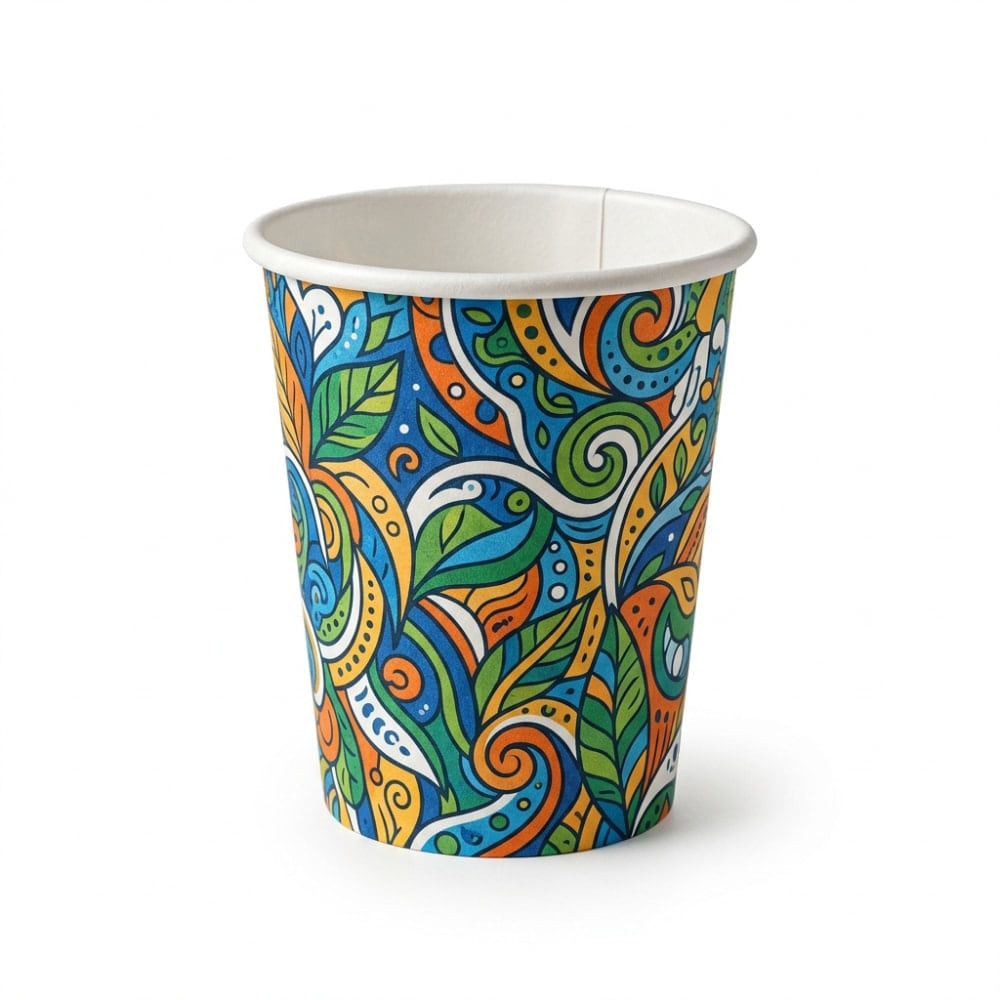
Custom Single Wall Paper Cups
A potential option for a defined Dutch off-site beverage programme after material and service-setting review.
Review for the enquiryComplete barrier structure, serving volume, lid reference and applicable use.
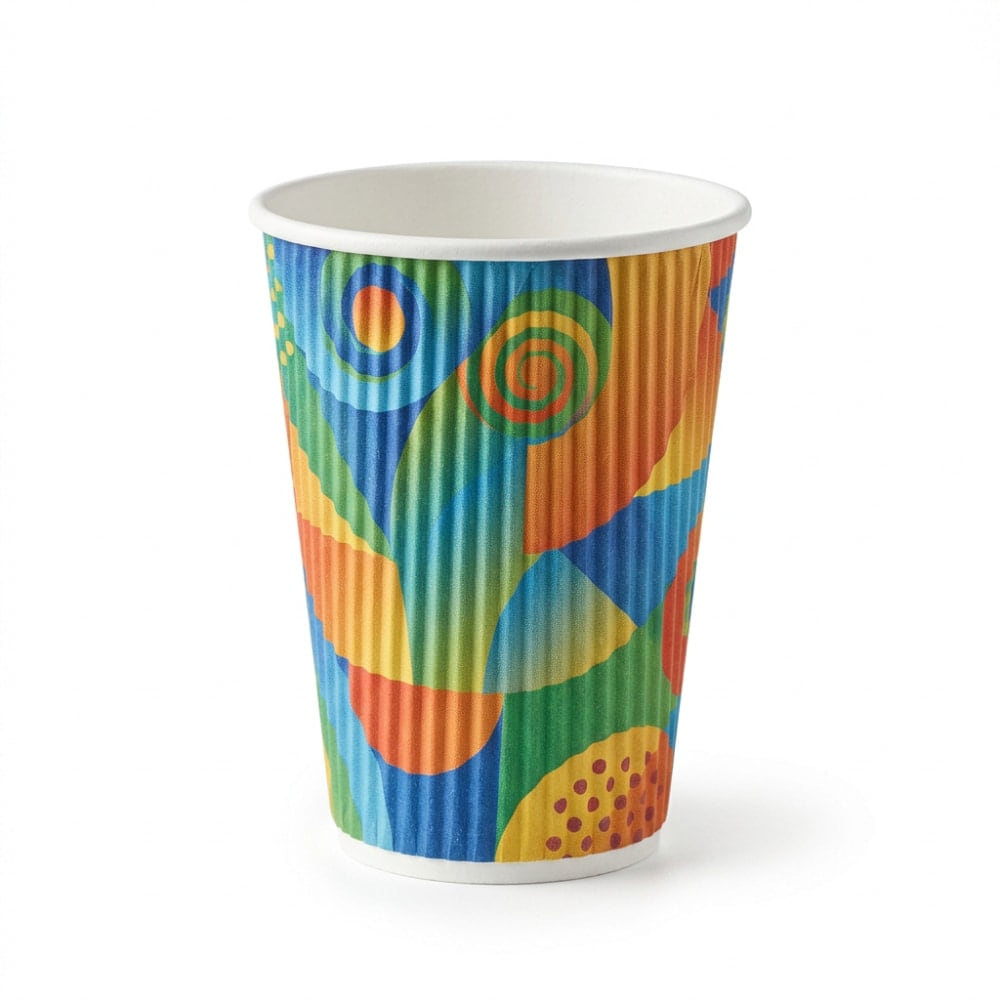
Ripple Wall Hot Drink Cups
Consider where grip and a textured hot takeaway cup support the actual collection or delivery operation.
Review for the enquiryPrint legibility, normal fill conditions, stack behaviour and carrier trial.
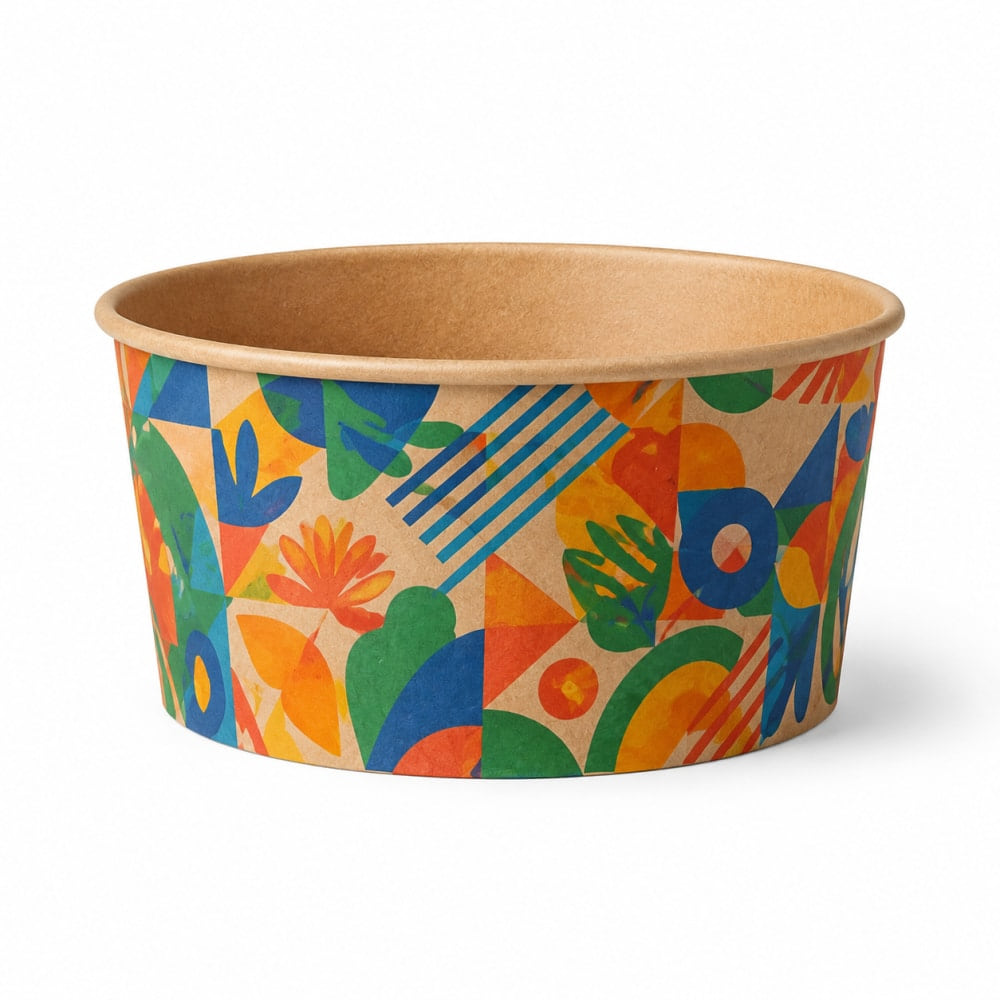
Kraft Paper Salad Bowls
A possible bowl-and-lid system for a specific prepared-food or delivery service.
Review for the enquiryPortion, dressing, filled stacking, display label and applicable service setting.
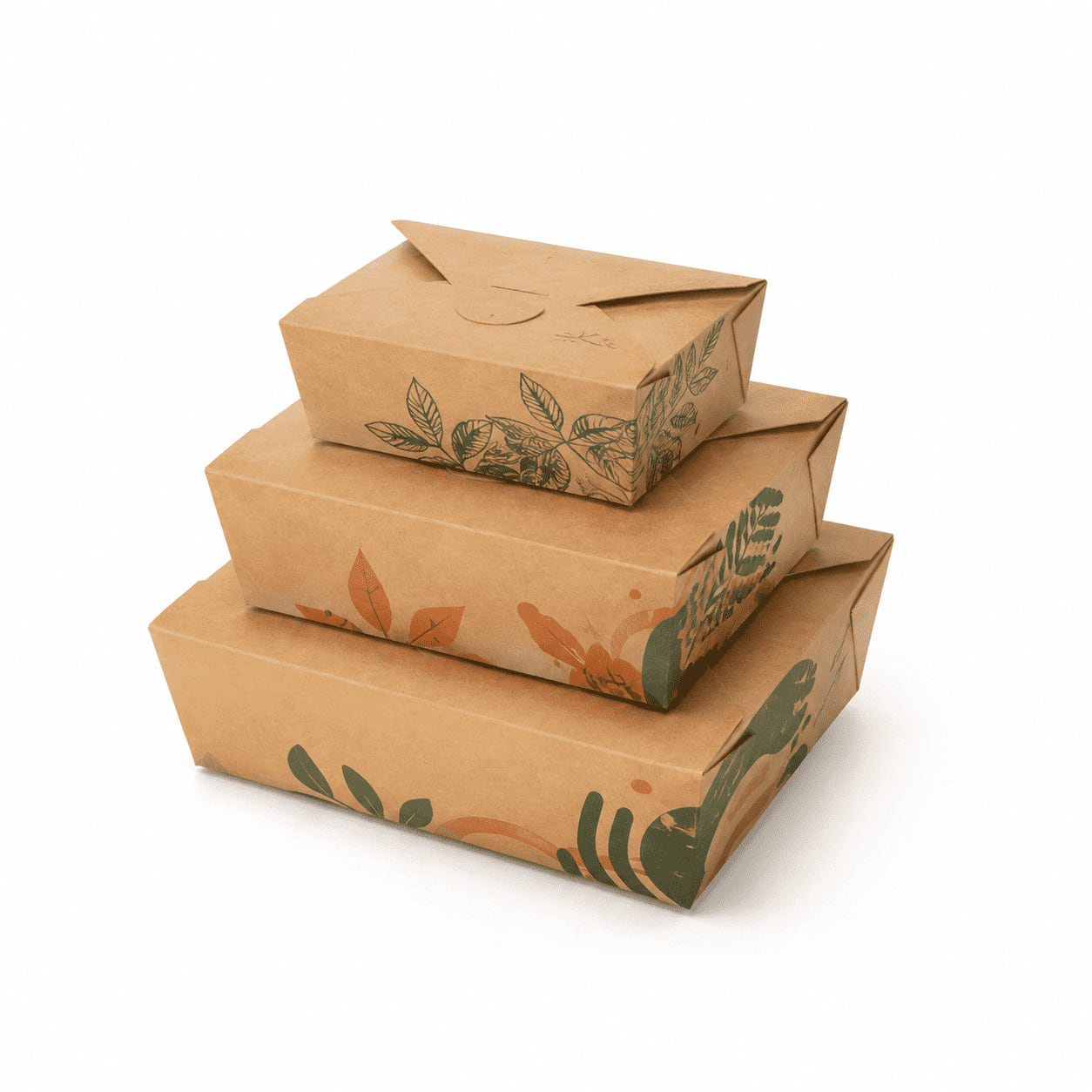
Kraft Paper Lunch Boxes
An option for meals suited to a folded closure within an approved off-site programme.
Review for the enquiryClosure, moisture and grease response, carrying test and final material record.
FAQs: Sourcing Paper Food Packaging in Netherlands
Does a Paper Coffee Cup Automatically Avoid Dutch SUP Rules?
No. A paper or cardboard cup containing a plastic protective layer can be relevant to the rules. Obtain the complete structure and assess the product and service setting using current official guidance. A kraft finish or a small plastic content does not by itself establish an exemption.
Has the Dutch Takeaway Surcharge Already Been Abolished by Law?
As checked in October 2026, RVO describes the 2027 change as proposed and the exact commencement date as unknown, while ILT has stopped enforcing the surcharge in 2026. Keep those statuses distinct and review the current position before relying on charge-related artwork or instructions.
Can an Office Canteen Use the Same Packs as a Takeaway Counter?
Do not assume so. Dutch guidance distinguishes on-site consumption from collection and delivery, with relevant exceptions and reusable arrangements. Review the actual site and service first. Food compatibility alone does not settle whether the same disposable system is appropriate in both settings.
What Should a Dutch Importer Request from the Manufacturer?
Request the proposed specification, component composition and weights, relevant food-contact evidence, lid references, artwork process and packing data. Identify the delivery basis and the parties’ responsibilities for the actual flow. The information should connect to the ordered SKU and destination.
Should Stock Intended for Belgium or Germany Be Treated as Dutch Stock?
The receiving warehouse does not settle the final-market assessment. Identify the actual destinations, approved text, use and responsible parties. Keep versions separate where needed. A general European or Benelux description should not replace product-specific destination controls.
What Makes a Sample Trial Useful for Delivery Packaging?
Use the normal recipe, portion, holding conditions, lid, bag and carrying method. Record the conditions and unacceptable outcomes before evaluating the result. If the business uses a bicycle carrier, include it in the trial rather than assuming performance from a stationary sample.
When Is Custom Printing Worth Considering?
When the approved service and disposable requirement are sufficiently stable, each printed SKU has recurring demand and the business can manage the production minimum. During a service redesign or uncertain launch, suitable plain stock may preserve flexibility while the forecast becomes more reliable.
Can a Supplier Take over Every Dutch Packaging Obligation?
A supplier can provide information and perform agreed services, but the buyer should establish the actual roles and responsibilities for its transaction. Distinguish product evidence from the operator’s service arrangements and reporting tasks. Put the allocation in the purchasing record before approving production.
Send a Supplier Enquiry for the Netherlands
You can include the menu, quantity by SKU and actual delivery point in your message. Enter your phone number with calling code, email and message, then choose Send Enquiry to submit directly through Zoho Forms. Your name and any product or quantity selections are optional.
Sources and Further Reading
Research checked on 22 October 2026. Official references support the local factual context; comparison frameworks and illustrative scenarios are purchasing guidance.
Product images are from Fude’s existing catalogue. Sample-review scenes are AI illustrations. Confirm the proposed SKU, materials, documents, quantities and commercial terms for the actual order.
 Germany
 United Kingdom
 France