Three Distinct Buying Decisions
Choose the Guide That Matches Your Project.
Separate sauced noodles, divided rice meals and free-liquid soups in the range proposal.
Paper Noodle Boxes: Restaurant Chain Buying Guide
Noodle-chain purchasing should distinguish relatively dry dishes from sauce-heavy recipes and soup. Start with the menu and portion shape: long noodles, toppings and mixing space can matter more than the nominal volume printed on a catalogue page.
Read the Guide ↗Business Buying GuideBento Paper Meal Boxes: Chain Selection Guide
A bento chain buys usable compartment space, not just total container volume. Rice, protein and vegetables have different footprints and moisture levels. The right divided box supports the intended presentation while allowing kitchens to fill and close the pack consistently.
Read the Guide ↗Business Buying GuidePaper Soup Containers: Chain Validation Guide
A soup programme requires a qualified complete container and closure. Hot free liquid places demands on the seam, base and lid that cannot be inferred from a dry-food or salad-bowl sample. Begin with an exact use brief and a controlled evaluation before considering a chain print order.
Read the Guide ↗01 / Buyer guide
Start with the Relevant Product Family.
Product starting point
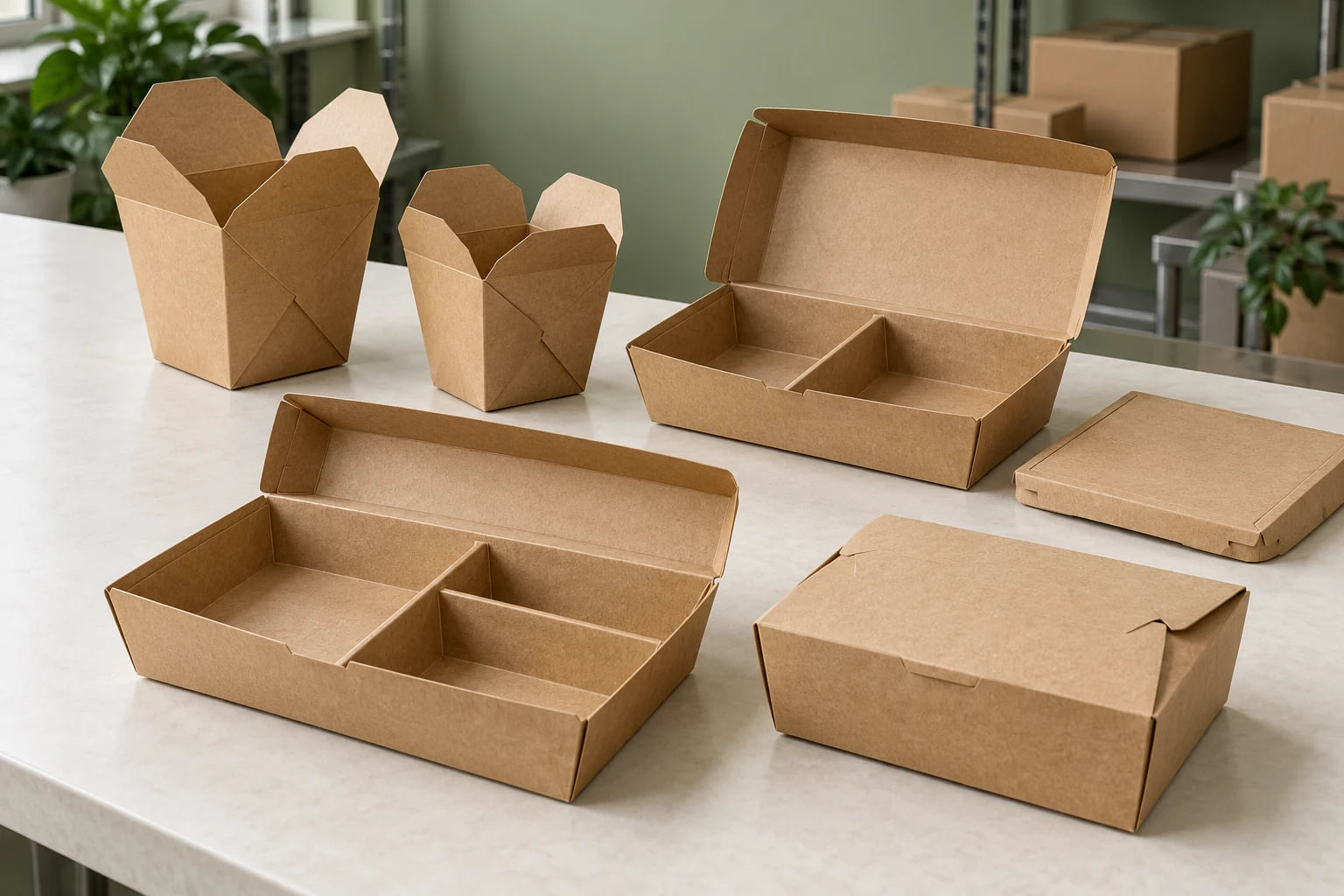
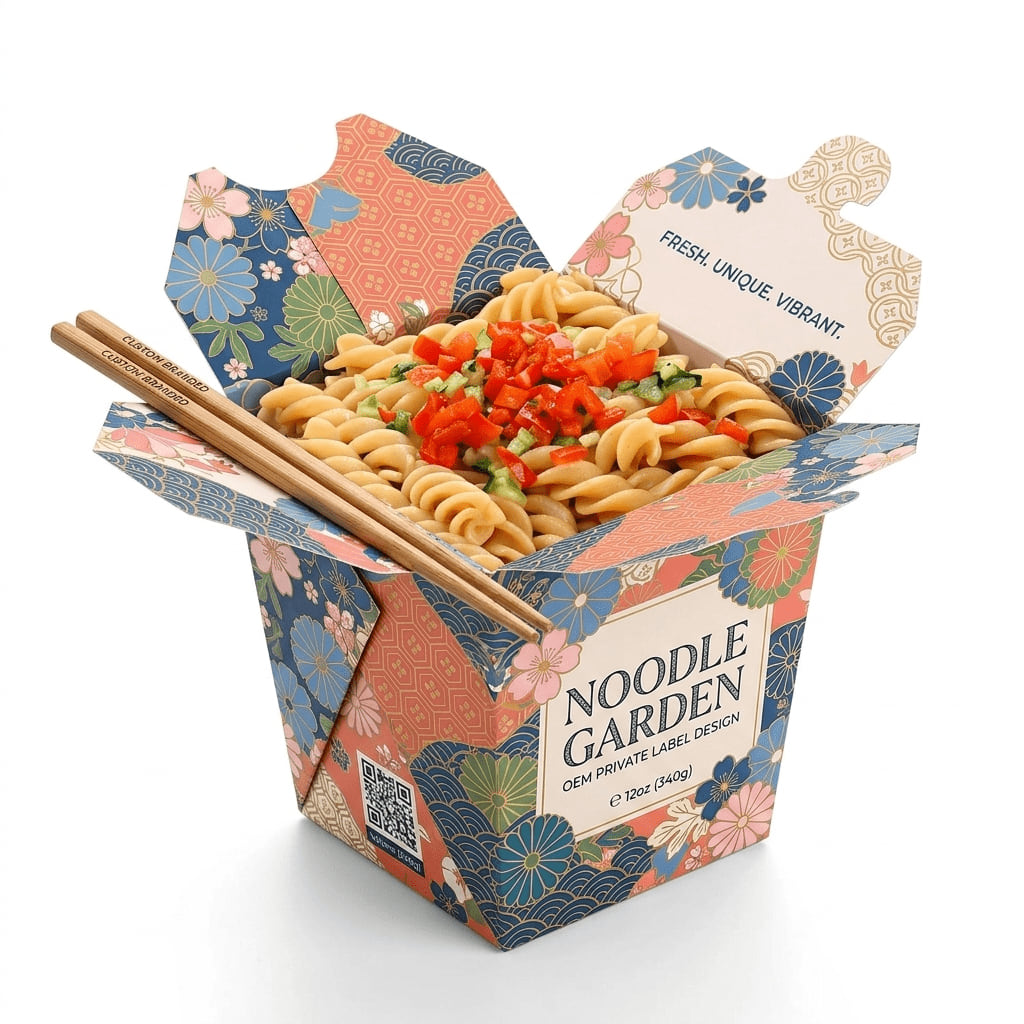
Paper Noodle Boxes
Evaluate for the intended noodle type, sauce amount and portion height. Check the opening and closure with the finished dish.
View the Relevant Product Range ↗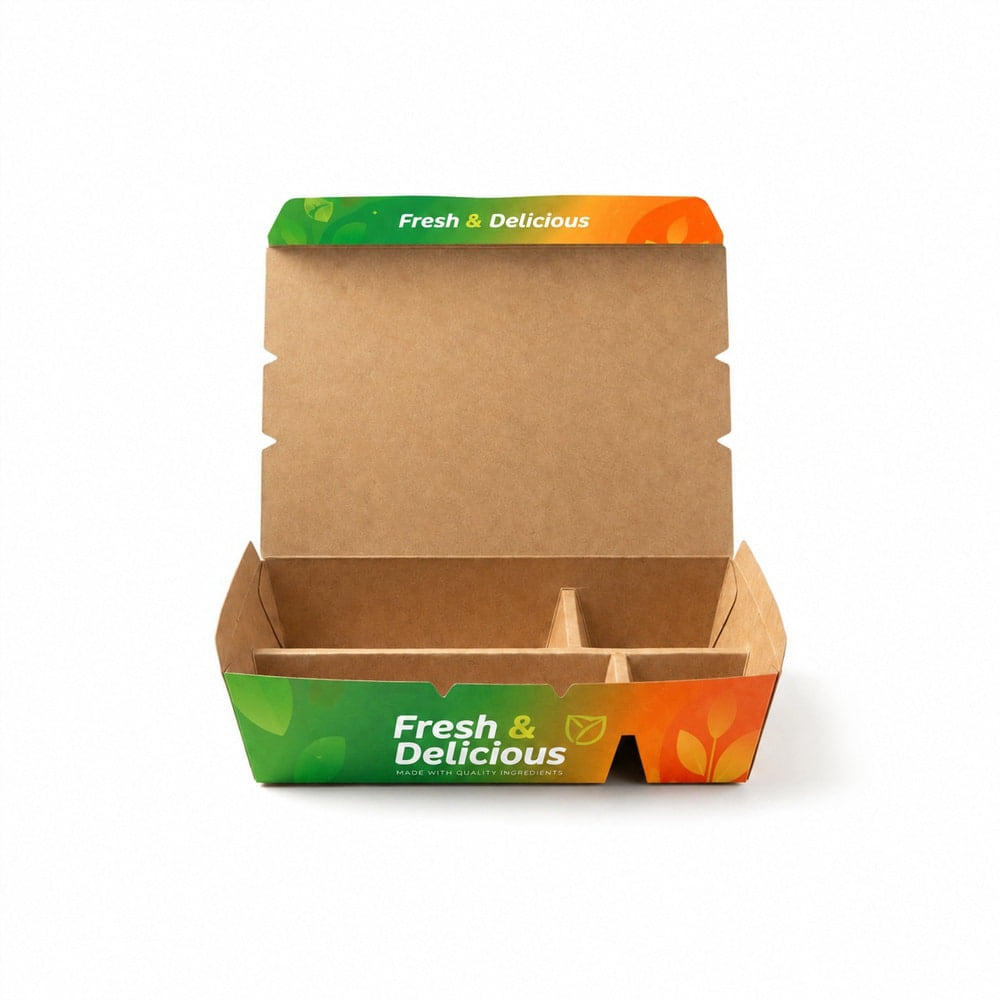
Product starting point
Bento and Divided Meal Boxes
Compare compartment proportions with the rice, protein and side dishes rather than total capacity alone.
View the Relevant Product Range ↗Product starting point
Single-Compartment Lunch Boxes
Consider where a mixed rice or noodle meal does not need separate sections.
View the Relevant Product Range ↗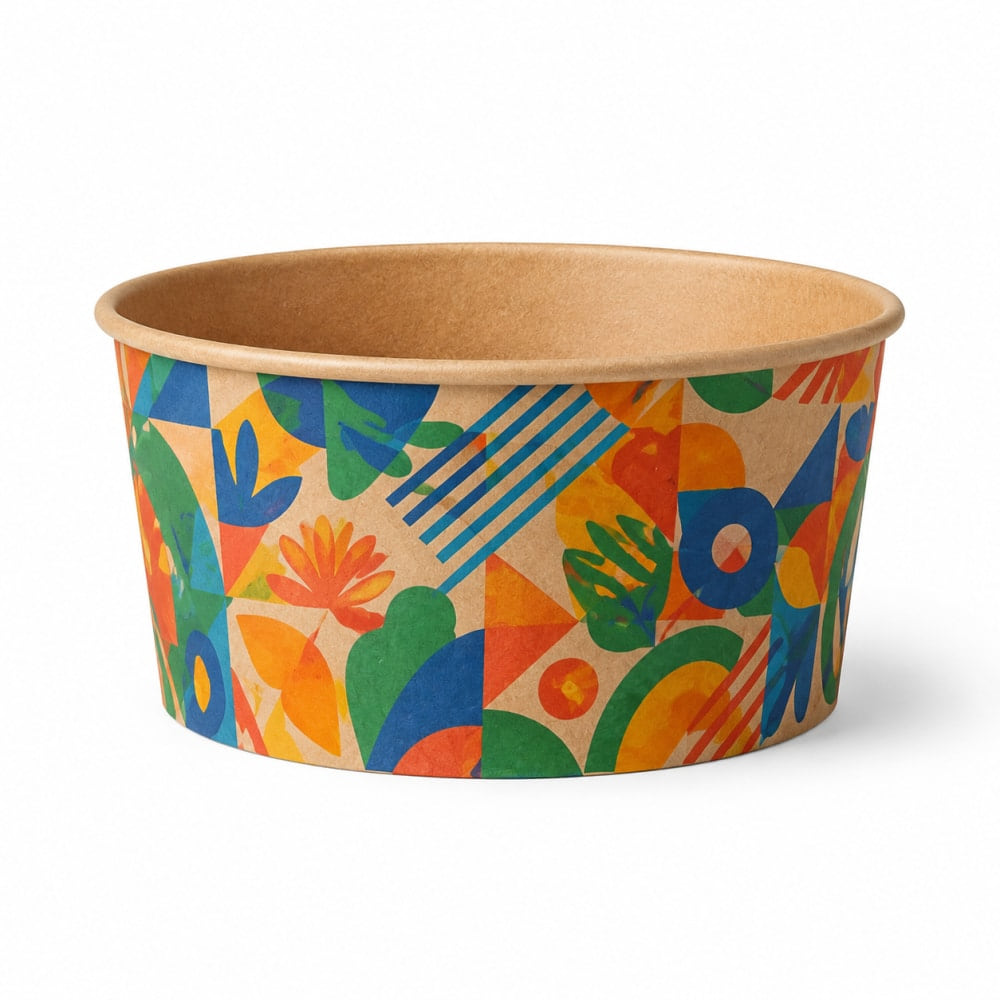
Product starting point
A Separately Approved Soup Bowl-and-Lid Combination
For substantial free liquid, qualify the complete container under the actual fill, hold and transport conditions before buying.
View the Relevant Product Range ↗02 / Buyer guide
What Should Your Team Evaluate?
| Quality factor | Practical review |
|---|---|
| Wet-sauce contact | Use the normal sauce volume and check the base, folds and seams after the intended hold. |
| Compartment effectiveness | Assess each portion and any transfer between sections; a divider is not automatically a liquid-tight barrier. |
| Closure clearance | Close the box over the tallest ingredients and inspect whether the food interferes with the rim or tabs. |
| Soup handling | For high-liquid projects, document the filled-pack trial and acceptance requirements separately from a dry-noodle approval. |
03 / Buyer guide
Decide How Much Customisation Is Useful.
Start with an appropriate physical pack. Compare plain formats for flexibility, buyer-applied labels for changing identity, and printed existing structures for stable recurring brand demand. Treat new geometry as a separate functional development decision.
A Coherent Menu Identity
Custom print can relate noodles, rice meals and sides without forcing them into one unsuitable container.
Controlled Branch Replenishment
Named sizes and artwork versions make a multi-format order more understandable to stores.
Useful Fixed Graphics
A considered layout leaves room for variable dish and order identification while keeping the brand visible.
04 / Buyer guide
Keep the Material Discussion Specific.
| Pack element | Selection priority |
|---|---|
| Food-contact barrier | Identify the lining and its intended use with the actual hot, oily or wet menu. |
| Folded structure | Compare the whole converted box: geometry and seams matter alongside the board specification. |
| Separate lids | Assess the lid independently for temperature, rim fit and intended handling. |
| Heating claims | Oven, microwave or freezer use requires a specification and evidence for the exact complete pack. |
Soup service and reheating are validation topics. This guide does not confirm that a particular Fude noodle box, bowl or lid is suitable for them.
Use the scenario guides above for actionable comparisons and sample checks. Confirm any offered alternative against the exact finished pack and intended conditions.
05 / Buyer guide
Bring the Right Questions to the Manufacturer.
| Question | Evidence to request |
|---|---|
| Which menu has the proposed structure been selected for? | Describe sauce and free-liquid conditions explicitly and ask the supplier to define the appropriate application scope. |
| Can each compartment be dimensioned? | Request internal geometry and samples for actual portion testing. |
| What substantiates a soup or reheating proposal? | Expect a complete-pack validation discussion rather than a generic temperature claim. |
A relevant manufacturer to approach
Discuss This Programme with FUDE.
Use the linked product catalogue as a starting point and Fude’s custom-packaging service for a project-specific discussion. Provide the menu, portion photos, intended use, quantities by size/design and delivery point.
Ask for available references, matched components, samples and an itemised proposal. Special-use candidates remain subject to exact-pack and buyer approval.
Contact FUDE ↗