
 New Zealand market guide
When Does Custom Paper Packaging Make Sense for a New Zealand Business?
Start with a small range that solves a recurring service problem. A café may have one takeaway drink size that accounts for dependable consumption. A food-to-go business may have a meal portion that travels in the same way every day. A distributor may have confirmed customer demand for a clearly defined private-label item. These cases can support a custom programme if the product, evidence and quantity are agreed before the artwork drives the decision.
For a New Zealand buyer, the right range is not necessarily the largest one. Each size, lid and design creates another stock position. Splitting demand across many variations can make replenishment harder, especially when goods must be allocated between locations rather than used at one receiving point. A compact assortment gives the buyer more opportunity to observe consumption and maintain a tested fallback.
This guide approaches packaging as a working system: food or drink, container, closure, label, staff handling and final delivery. It also separates New Zealand guidance from Australian assumptions, current plastic phase-outs from removed deadlines, and local brand expression from manufacturing-origin claims. The aim is a purchase that the business can approve, use and repeat with clear records.
New Zealand Café, Food-to-Go and Visitor-Service Demand: Choose the Useful Denominator
A café’s total beverage count is not its disposable cup requirement. Separate drinks consumed on site, customer reusables and takeaway cups before forecasting a printed order. Similarly, a food retailer’s total meal sales may include dishes served differently or in several container sizes. Count the specific approved serving occasion that will use the proposed article.
| Business situation | Measure first | How it changes the order |
|---|---|---|
| Independent café | Takeaway servings by actual cup size and day pattern. | Avoids buying several sizes from an undifferentiated beverage total. |
| Prepared-food retailer | Portion and pack used for each recurring dish. | Reveals which meals can share one approved article. |
| Seasonal visitor operator | Confirmed opening period and expected serving occasions. | Separates dependable demand from a short peak forecast. |
| Multi-location group | Use, storage and receiving capacity at each location. | Prevents equal allocation of cartons to unequal sites. |
| Distributor | Customer application and repeat order evidence. | Focuses private label on a range customers can actually replenish. |
A seasonal location needs its own forecast, even if it shares a brand with a permanent café. A high peak estimate does not establish that all stock will be used within the printed design’s useful life. Keep the assumptions visible so purchasing can adjust without redesigning the entire programme.
These are planning scenarios rather than claims about every New Zealand business. Use operating records where available and mark new-menu or new-location assumptions separately. This makes an early quotation useful without turning an uncertain forecast into a firm stock commitment.
A Compact NZ Custom Range vs Many Printed Variants: A Practical Vs
A broad assortment can look attractive because every menu item appears to receive its own pack. The purchasing consequence is that each variation needs approval, space and a replenishment decision. If demand is dispersed, a large minimum for a weak-selling size may outweigh the apparent saving on the popular size.
| Decision | Compact approved range | Many printed variations |
|---|---|---|
| Consumption | Demand is concentrated on fewer product references. | Demand may be divided across slow and fast sizes. |
| Staff handling | Fewer lid and closure combinations to distinguish. | More opportunity to select a similar but incompatible part. |
| Inventory | Stock review can follow a smaller number of clear positions. | More stock can remain tied to one site, recipe or artwork. |
| Brand flexibility | A stable identity can serve several approved uses. | Specific messages may improve one use but restrict later reuse of stock. |
| Expansion | New variants follow observed demand. | An ambitious launch can precede evidence of repeat demand. |
Standardise the Use, Rather than Force Every Recipe into One Pack
Range reduction is useful only when the selected article actually fits the meals. Compare portion presentation, food conditions and customer handling before combining applications. If one dish needs a different construction, keep that distinction rather than compromise the food just to simplify a spreadsheet.
A distributor can apply the same principle to private label. Begin with products whose use can be explained clearly and whose matching parts are stable. Add a variation when it solves a specific customer need with credible volume, not simply because another size exists in the manufacturer’s catalogue.
Summer Promotions, Visitor Seasons and Year-Round Packaging in New Zealand
A New Zealand seasonal programme should use the local operating calendar and the buyer’s actual booking or service pattern. Do not carry over the artwork dates or procurement assumptions from a northern-hemisphere campaign. Work backwards from when the goods must be usable at the location, including the time needed for product review, sampling, printing approval and the chosen delivery arrangement.
| Approach | Potential use | Question to settle |
|---|---|---|
| Stable core print | Regular café or meal programme across the year. | Can the design remain accurate if prices, opening hours or offers change? |
| Dated campaign print | A confirmed short promotion or event. | What happens to unused cartons after the campaign? |
| Core pack with a seasonal label | A smaller message variation where application works. | Does the label stay readable and does staff labour change the cost? |
| Shared design for several locations | Sites with approved common use and brand information. | Can the remaining stock genuinely move between those sites? |
A tourism-oriented café may use the same base cup as its permanent business while changing a separate communication layer. Test that layer on the formed article and after normal handling. A label that works on a dry sample may behave differently on a chilled pack or a curved surface.
Decide the exit plan before ordering. Stock that can serve later ordinary trade has a different risk from stock that carries an expired event date. A practical seasonal plan leaves purchasing with options if demand changes, instead of making a large print run the only way to obtain a consistent brand presentation.
New Zealand Plastic Phase-Outs: Classify the Article and Separate the Timelines
The Ministry for the Environment says the government removed the 2025 deadline for the third tranche of plastic phase-outs and is undertaking further work on next steps. This is not an announcement that all earlier phase-outs were cancelled. Avoid using an old 2025 timetable as the basis for a current product claim or purchase. [2]
The July 2023 tableware guidance describes single-use items made wholly or predominantly of plastic and identifies specific exclusions, including plastic-lined tableware made from other materials. It also distinguishes containers and cups within that guidance. Apply the actual product definitions; do not translate the rule into a blanket ban on every coated paper bowl or every coffee cup. [3]
| Question | What must be identified | Purchasing result |
|---|---|---|
| Does an existing phase-out apply? | The actual product category, material and way it is supplied. | An article-specific decision using current official guidance. |
| Was a deadline removed or replaced? | The phase and the latest official position. | A dated review rather than a recycled historical timetable. |
| Is a proposal operational? | The difference between development work and an effective requirement. | A planned review without inventing a current universal fee or ban. |
Keep a complete material description for the body and matching components, even when a particular exclusion appears relevant. Technical suitability, environmental claims and collection acceptance still require their own consideration. Being outside one listed ban does not establish every other aspect of the purchase.
NZ-Approved Packaging vs an Australian-Market Specification: Check the Difference
Suppliers may sell into both New Zealand and Australia, and some food standards are shared. That is useful context, but it does not make every Australian rule or product statement a New Zealand requirement. MPI’s current packaging guidance specifically notes that Standard 3.2.2 is Australia-only. Base the New Zealand food-business review on the applicable local requirements and intended use. [1]
| Item in an offer | What it may help explain | What still needs checking |
|---|---|---|
| Australian-market product sheet | Dimensions, construction and performance information. | Whether the evidence and use address the New Zealand application. |
| State-specific cup statement | A particular Australian destination assessment. | The actual New Zealand product category and current guidance. |
| Shared food-code reference | Relevant common provisions where applicable. | Whether the cited standard applies to New Zealand. |
| Australian artwork | A useful brand or layout starting point. | Origin impression, local claims, disposal message and operational labels. |
Ask the supplier to describe the construction without relying only on destination marketing. A material reference and a precise use statement are easier to review than a broad Australasian compliance slogan. If one body is supplied with different lids in different markets, identify which combination will be purchased for New Zealand.
For a business operating on both sides of the Tasman, keep the product approvals separate where the relevant rules or constructions differ. A shared visual brand can still use controlled product variants. The warehouse and reorder records should make those variants visible rather than allowing a familiar logo to conceal a different item.
North Island vs South Island Replenishment: Plan Final Delivery, Not Port Arrival
Treat the final receiving location as a purchasing input. A quotation to one port or warehouse does not establish the cost or timing of delivering cartons to every café, retailer or seasonal operation. If stock will move between islands or through an intermediate warehouse, have the chosen logistics providers explain the complete route and responsibilities.
| Model | What to compare | Operational question |
|---|---|---|
| One central receiving point | Inbound handling, storage, picking and onward delivery. | Who controls allocation and knows each site’s usable balance? |
| Separate regional stock positions | Additional receiving or storage costs and duplicated safety stock. | Does each position have enough demand to avoid ageing? |
| Direct final-location delivery | Actual service availability, access and receiving arrangements. | Can the location accept the proposed carton or pallet quantities? |
| Central custom stock plus approved fallback | Cost and compatibility of the alternative. | Will staff recognise and use the fallback correctly? |
Count the Matching Components Together
A location with many cups but too few approved lids is not fully supplied. Review stock in complete serving systems and distinguish goods physically present from goods reserved for another outlet. If a replacement lid is proposed, test and review it before counting it as usable contingency stock.
Do not set a universal number of extra days for island or regional delivery. The route, carrier, shipment and receiving conditions determine the actual plan. Agree a review point for replenishment that covers the chosen process, and retain enough visibility to adjust before one location is forced into an unapproved substitution.

New Zealand Stocked Supplier vs Overseas Custom Manufacturer: Assign the Workload
A stocked supplier may suit smaller mixed orders or an early menu trial where offered. A custom manufacturing programme may suit repeat demand and a buyer ready to manage specification and inventory. The choice should reflect who can perform the tasks, rather than an assumption that one route is always cheaper or more dependable.
| Buying task | Stocked or distributor route | Custom manufacturing route |
|---|---|---|
| Assortment | Check what is available and how items can be combined. | Plan the minimum and packing by product and design. |
| Technical information | Ask for the exact article and evidence supplied through the seller. | Agree construction, matched parts and the supporting file with the manufacturer. |
| Import and receiving | Confirm which steps are within the seller’s scope. | Assign the importer, clearance and final-delivery tasks. |
| Branding | Compare available printing, labels or other practical options. | Approve production artwork and the formed article. |
| Continuity | Ask how changes and shortages are disclosed. | Agree revision control and qualify a fallback. |
New Zealand Customs states that imported items must be cleared through Customs. Establish the transaction and entry process with the appointed service providers before shipment. The seller’s export experience or a delivery term does not answer every local import task. [4]
Request complete comparable quotations. List whether lids, print setup, freight, import-related work, final delivery and any storage or splitting are included. Ask about exceptions and dependencies. A direct order can be commercially sensible, but the buyer should understand the work transferred into its own organisation and the usable stock it will hold afterwards.
How to Choose a Custom Paper Cup Programme for a New Zealand Café
Select the beverage first, then the article. Record the real fill volume rather than rely only on a nominal cup size. Include drink additions, serving temperature, time before consumption and the normal handover. Consider a single-wall cup and a ripple-wall cup as different constructions to test, not as a universal ranking of quality.
| Decision | Single-wall trial | Ripple-wall trial |
|---|---|---|
| Handling | Observe the cup with any sleeve used in the complete system. | Observe outside-surface grip and comfort during the same service. |
| Printing | Check readability on the formed smooth wall and seam. | Check how texture affects the artwork and small text. |
| Counter storage | Measure working stock and carton use. | Measure the actual footprint of the chosen item. |
| Closure | Use the exact proposed lid and normal staff hand pressure. | Use the exact proposed lid with the same beverage and journey. |
Test the Service at the Busiest Plausible Moment
Staff should separate, fill and close samples using normal equipment. Check whether the design obstructs operational marks or whether a different lid changes handover. A cup that performs well during a slow demonstration may introduce extra work during a queue. Record that practical result alongside the visual approval.
If a café sells both hot and iced drinks, assess those uses separately. Condensation, ice and holding time can change what happens to the outside surface and graphics. Do not use an attractive hot-coffee sample as evidence of every other application, and do not promise reheating or freezing without specific support for the chosen article.
Paper Salad Bowls vs Lunch Boxes for New Zealand Food-to-Go Menus
A container should suit the meal after the customer journey, not only when first filled. A chilled salad counter may value presentation and operational label space. A takeaway kitchen may need a closure that remains stable with a hot sauced dish. A caterer may need packs to stack and remain identifiable when several meals are carried together.
| Use | Salad-bowl questions | Lunch-box questions |
|---|---|---|
| Chilled meal display | Does the portion look right and does condensation affect labels? | Does the shape support display and opening for the customer? |
| Sauced or oily dish | Is the construction supported for the actual food and contact? | Do seams, folds and base remain suitable through the same conditions? |
| Delivery bag | Does the matched lid remain secure under ordinary loading? | Does the closed pack hold its shape through transport and stacking? |
| Catered collection | Can staff identify and distribute meals accurately? | Can operational labels remain readable on the formed pack? |
Trial representative recipes, including the more demanding approved use. A brief water check cannot represent a hot oily meal, and a cold display test does not approve a later reheating instruction. Record food, temperature, contact duration and loading so the result can be repeated when a component changes.
Choose a shared article only when the recipes and presentation genuinely allow it. A compact range can reduce stock complexity, but forcing an unsuitable dish into the common container can damage the service. Keep a distinct product where it solves a clear food or handling requirement and the demand supports its replenishment.
Supplier Evidence for NZ Food Packaging: Connect the Record to the Real Food
MPI’s guidance asks food businesses to select packaging that is fit for purpose and suited to the food, conditions and shelf life, and to obtain supplier assurance or documentation. Use a concise application brief so the reviewer and supplier know exactly what is being assessed. [1]
Ask a Question the Supplier Can Answer Precisely
Give the recipe category, portion, fill temperature, contact time, storage and any proposed heating process. Identify the product code, material construction, printing and matching closure. Ask which uses are supported and which are excluded. A general food-safe statement without a link to the article and conditions leaves important questions unanswered.
Check that the documents and reports describe the selected material or explain their relevance. The product reference, issuer, date, scope, test conditions and conclusion should be clear enough to review. If a report concerns another barrier formulation or a different lid, ask for the basis before treating it as evidence for the order.
Keep the Approval Usable for the Operating Team
Turn the reviewed conditions into a short product-use record. Staff need to know whether a pack is approved for a chilled display, hot filling or another specific process. Purchasing needs to know which changes trigger a review. A supplier may provide the technical file, while the business still needs to preserve the link between that file and the article actually used in service.
New Zealand Brand Expression vs Manufacturing-Origin Claims on the Pack
A local café can express its identity through a well-designed pack, but the overall message should accurately describe the business and product. The Commerce Commission explains that national imagery and symbols can create an origin impression. A local logo, address or landscape should not accidentally imply an unsupported manufacturing claim about the packaging. [7]
- Local place names and landscapes. Review whether the full design expresses business identity or implies a product-origin statement, and approve the wording and imagery together.
- New Zealand-made wording. Identify the product or component described, then obtain an accurate origin assessment and supporting records before making the claim.
- Environmental symbols. Establish which benefit a customer is likely to understand and connect the image and wording to specific evidence.
- Bilingual or cultural wording. Ask a qualified person to review meaning, spelling and the intended context before approving the message.
Make the Business’s Message Readable on the Formed Item
A brand graphic should survive curvature, folds and hand placement. If the business chooses te reo Māori or other additional language, obtain appropriate language and context review rather than treating a translation tool as final approval. This is a design recommendation, not a statement that every food pack must carry the same language mix.
Separate stable identity from variable information. A café may keep its core design while changing operational labels or a short promotion. A food retailer should preserve clean space for its actual labels. Do not sacrifice legibility or accurate meaning to make every surface carry a marketing message.
Compostable, Recyclable and Paper-Based Claims: A Local NZ Approval Process
The Commerce Commission says environmental claims must be accurate, scientifically sound and substantiated. Make the claim specific to the article and benefit being described. Avoid treating paper-based, compostable and recyclable as interchangeable labels with the same customer instruction. [6]
| Phrase or option | What needs clarification | What to retain |
|---|---|---|
| Paper-based | Which parts are paper and what other components are present? | The complete construction rather than the external appearance. |
| Compostable | Which article, standard and conditions are described? | Relevant evidence and a check of the actual disposal route. |
| Recyclable | Where and how is this used article accepted? | A qualified destination-relevant message. |
| Reusable | Is the product designed and operated for repeated use? | The relevant evidence and a workable collection/cleaning process. |
For a controlled event, ask the organiser and waste service what is accepted before approving signs and packaging text. For takeaway service, customers may dispose of the article far from the café. A technical certificate does not establish that every customer has access to an accepting system. Use the real route rather than an assumption about national availability.
Revisit claims when the material, lid or route changes. Keep the evidence with the artwork version so the print file does not outlive its justification. A specific modest message can be more durable than a broad promise that the business cannot explain when a customer or reviewer asks what it means.
Plastic Packaging Stewardship and Future NZ Requirements: Prepare Without Inventing a Fee
The Ministry for the Environment identifies plastic packaging as a priority product and describes 2025 recommendations for a stewardship scheme, followed by work on next stages. That information should not be converted into a claim that every paper pack is already subject to a universal operational packaging fee. Confirm the current status and actual scope for the transaction. [5]
Keep Useful Material Records Even While a Scheme Is Developing
Record the construction and weights the parties can substantiate, the supplier and article references, and the quantities purchased. These records help with product review and future questions without committing the buyer to an unsupported interpretation of a proposal. Ask the supplier to explain how changes to components will be communicated.
Choose a Review Point Appropriate to the Stock Horizon
A programme expected to last through several future ordering cycles deserves a scheduled internal review before the next run. That review can consider the latest official guidance, the operational result and whether the artwork still makes accurate claims. It need not require unnecessary redesign of an article that remains suitable.
Separate confirmed costs from assumptions in the commercial comparison. If an adviser identifies an applicable obligation, include the verified task and cost. If a measure remains under development, record it as an issue to monitor and a possible design or stock dependency. This keeps the quotation useful without either ignoring change or presenting a speculative future arrangement as current law.
Sample Trials and Incoming Checks for a New Zealand Custom Programme
Approve what will be used in ordinary service. Define the foods, fill levels, temperatures, times and transport conditions before samples arrive. Involve the people who will pack or serve, since they can judge separation, filling, closure and identification in a way an empty display cannot.
Use One Reference File for the Complete System
Keep the signed formed sample or agreed reference, product code, body and lid specifications, artwork revision and the conditions of acceptance together. If the proposed production article differs from the sample, identify and settle that difference. A print proof should not silently approve an untested material change.
Agree which checks will be performed before shipment and at receiving. Choose meaningful criteria such as article identity, closure, visual quality, dimensions or other functions relevant to the order. Connect inspection records with batch and packing information so a result can be traced to the goods supplied.
Make a Discrepancy Possible to Investigate
At arrival, check quantity, packaging condition and the agreed functional sample. If there is a problem, retain the relevant carton and batch information, photographs and representative samples where appropriate. Explain the conditions under which the issue occurred. A clear record gives both buyer and supplier a better basis for deciding the next step than an unexplained statement that the new batch feels different.
Review staff feedback after ordinary trading. A product can pass a visual check and still slow the serving process. Use that evidence before repeating or expanding the assortment.
MOQ, Landed Cost and a Repeat-Order Plan for New Zealand Buyers
Ask for the minimum by article, material and artwork, then discuss consolidation and delivery separately. A shipment containing cups, bowls and boxes does not mean all three share a production minimum. Compare the complete inventory with demand for each item and location.
Include the container, lid, any sleeve or label, printing setup, freight, import-related work, final transport, receiving, storage and expected unused balance. Cost the serving system that staff will actually use. A low unit quotation for an incomplete or unsuitable combination is not a meaningful saving.
Negotiate the Dependencies That Affect the Business
Confirm what is included, which files and decisions are required, and when the supplier needs them. Separate production, transport, clearance and final delivery in the schedule. Avoid treating a preliminary estimate as a guarantee that a seasonal outlet will be ready on a particular date. Agree commercial terms and change approval before authorising production.
Use the first order to improve the next forecast. Track actual consumption, cup-and-lid balance, stock age and location allocation. A weak-selling size may need a different purchasing model, while a dependable core product may justify a repeat programme. Reorder against the approved article and artwork, with disclosure of changes. The cooperation becomes more useful as it produces clearer records and fewer unexpected decisions, rather than simply a larger printed volume.
Three NZ Procurement Scenarios: Apply the Choices Before Requesting a Quote
An Auckland Café Starting Its First Custom Cup
Use takeaway consumption for the most dependable size, rather than the entire drink menu, and compare a focused printed run with a stocked product plus a tested branding layer. Trial the exact lid with normal staff and retain the use conditions. Review the New Zealand-facing message so local identity is clear without implying unsupported packaging origin or disposal benefits.
A South Island Seasonal Food-to-Go Business
Write the opening period, final receiving location and actual menu into the brief. Choose stable core artwork where it can remain useful after the peak. Compare final delivery and local storage rather than only an overseas port quotation. Test chilled labels and the more demanding meal recipe. Keep the replenishment and fallback plan attached to that location instead of borrowing another site’s assumed delivery pattern.
A Distributor Serving Customers on Both Islands
Start with a compact assortment customers can understand and reorder. Establish the article references, matching components and material records before printing a private label. Cost central versus separate stock positions and make allocation visible. Keep New Zealand guidance distinct from Australian state claims when using trans-Tasman supplier material. Add products only when a customer need and a workable stock plan justify the additional variation.
FUDE Product Options for Buyers in New Zealand
Use these existing catalogue items as starting points for a written specification and sample review. Confirm the proposed structure, available options and supporting documents for the actual order.
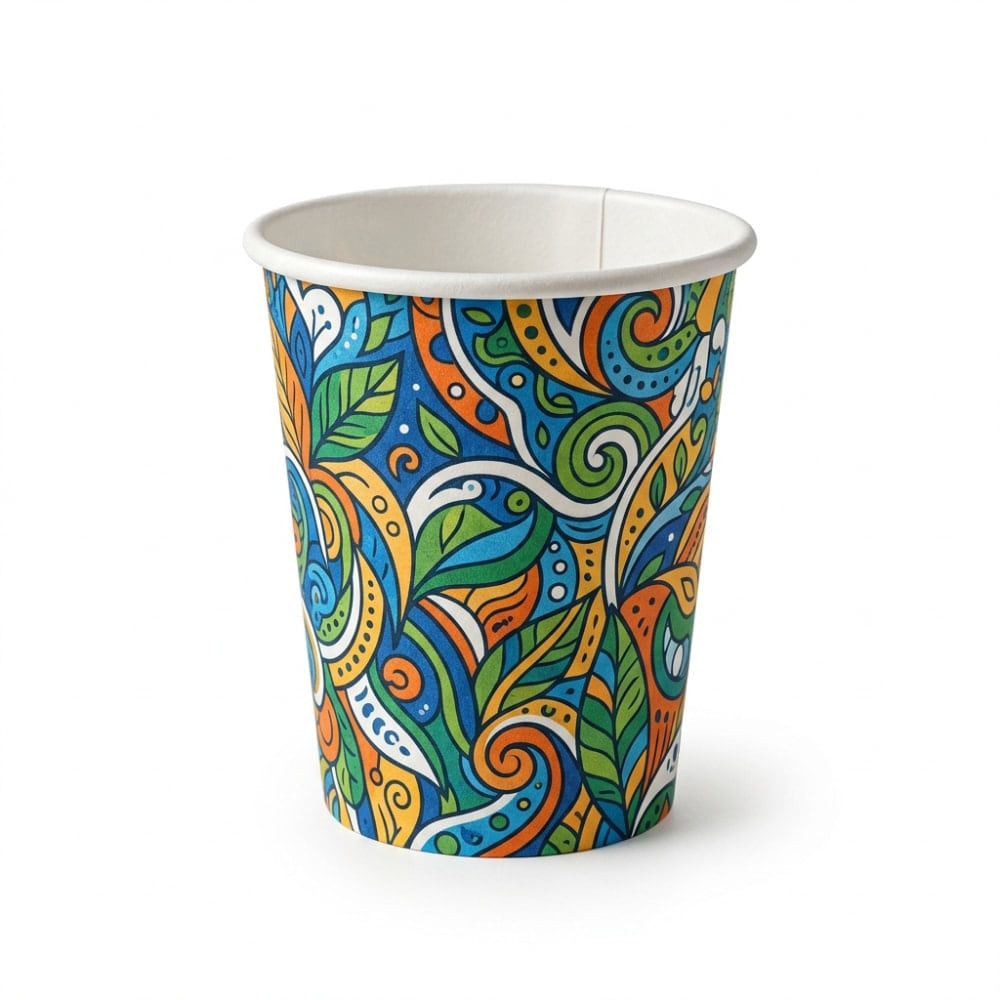
Custom Single Wall Paper Cups
A compact takeaway beverage programme for an independent café with observed demand.
Review for the enquiryDefine usable fill and food conditions, test the exact lid and review the NZ-facing claims.
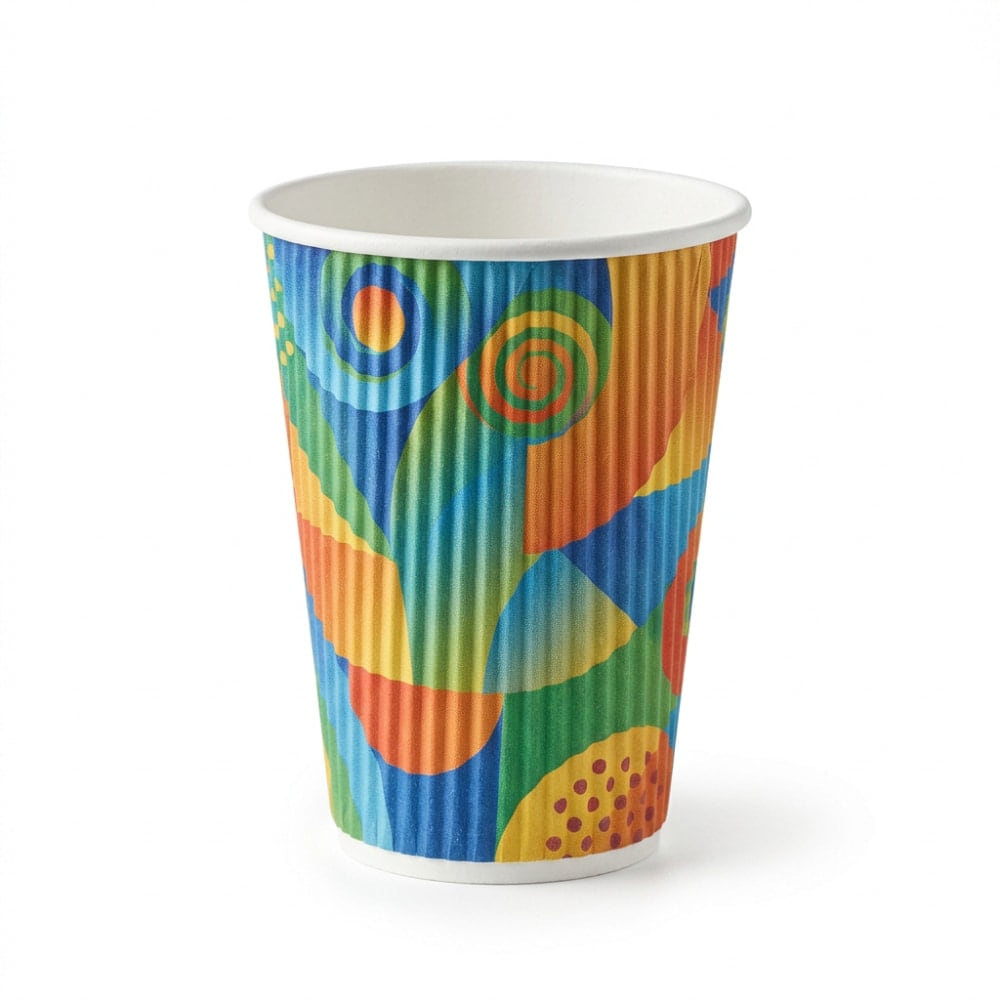
Ripple Wall Hot Drink Cups
A hot-drink option for comparing grip and formed branding in the café’s actual handover.
Review for the enquiryTrial staff handling, texture and print legibility, packing footprint and complete closure system.
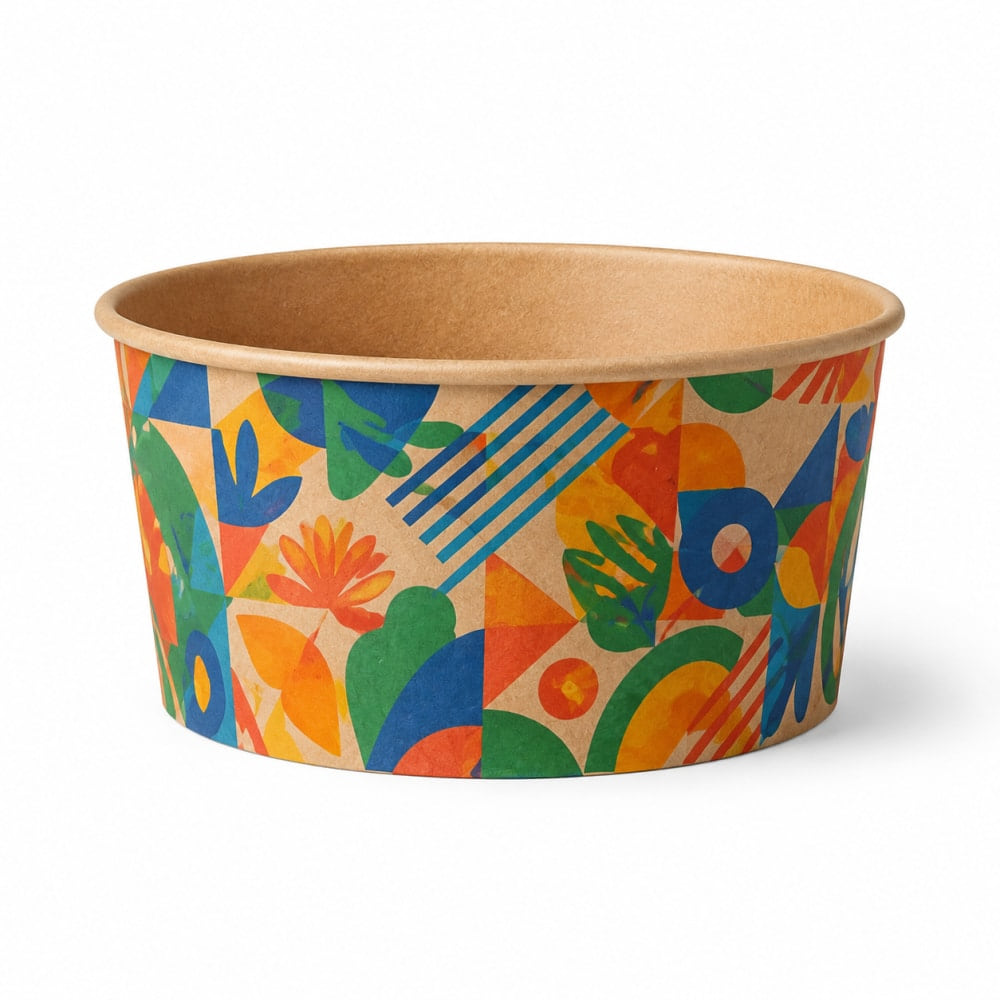
Kraft Paper Salad Bowls
A chilled food-to-go programme with a stable portion, display and operational label.
Review for the enquiryTest dressing, condensation, label adhesion and matching closure under the actual use conditions.
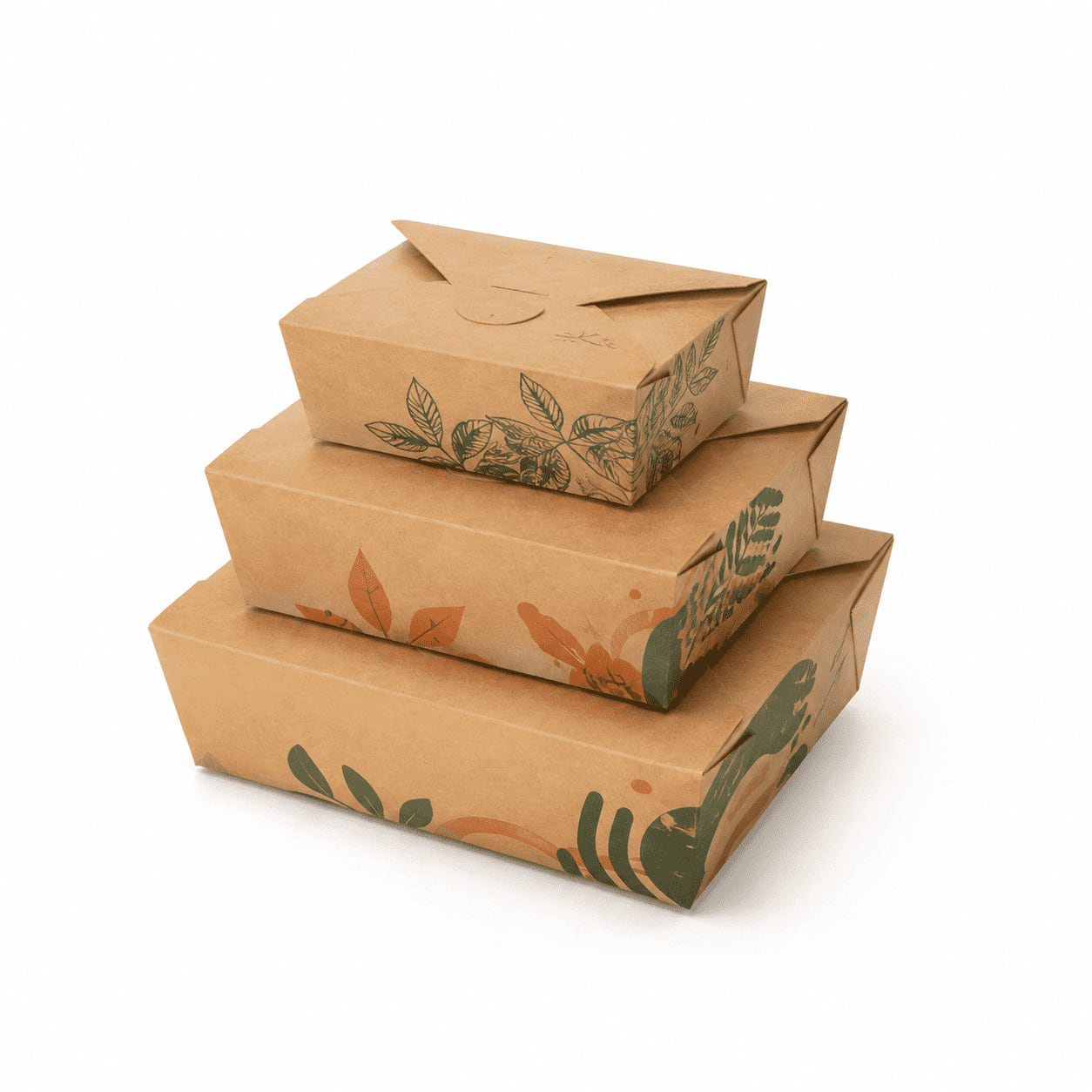
Kraft Paper Lunch Boxes
A repeat takeaway or catered meal requiring a defined portion and transport format.
Review for the enquiryReview the actual food and holding conditions, then trial folds, closure, sauce and stacking in the intended journey.
FAQs: Sourcing Paper Food Packaging in New Zealand
Did New Zealand Cancel Every Plastic Phase-Out When the 2025 Deadline Changed?
No. The Ministry for the Environment says the 2025 deadline for the third tranche was removed while further work on next steps is undertaken. Earlier phase-outs need their own current review. Do not use an old timetable or interpret the deadline change as blanket permission for every plastic product.
Are Plastic-Lined Paper Bowls Automatically Banned in New Zealand?
Do not make that assumption. The July 2023 tableware guidance defines its categories and identifies exclusions including plastic-lined tableware made from other materials. Review the exact article, construction and way it is supplied against current guidance. Food-contact suitability and any environmental claim still require separate consideration.
Can a New Zealand Café Rely Only on Australian Compliance Wording?
Ask what the wording actually covers. Some food-code provisions are shared, while MPI explicitly identifies Standard 3.2.2 as Australia-only. Australian state-specific product claims also need not describe New Zealand requirements. Use the exact construction and intended food use for a New Zealand review instead of accepting a broad regional slogan.
How Many Custom Packaging Sizes Should a Small NZ Business Start With?
Start with the few products that have stable use and a credible stock plan. There is no universal correct number. Concentrate demand where articles can genuinely serve the approved menu, while keeping a separate pack when the food or process requires it. Add variations after observing repeat consumption and the staff workflow.
Should North Island and South Island Sites Share One Stock Plan?
They can share product standards where use is compatible, but their replenishment arrangements need explicit comparison. Quote the final receiving locations and account for central storage, onward delivery or separate inventory positions. Track usable stock by location and matching component. Do not assume port arrival establishes readiness at every operating site.
Can a Local Café Identity Imply the Packaging Is New Zealand-Made?
Review the overall impression of the design. National images, wording and symbols can communicate origin alongside an explicit sentence. Keep the café’s local identity accurate and obtain support for any manufacturing-origin claim about the packaging. A local business address or logo alone does not establish where the article was manufactured.
Is a Plastic Packaging Stewardship Fee Already Universal in New Zealand?
Do not assume that from scheme recommendations. The Ministry’s current priority-product page describes recommendations and further development for plastic packaging. Check the actual current status and transaction scope. Keep accurate component and quantity records so the business can respond to verified obligations without inventing a fee for every paper article.
What Should Be Confirmed Before a First Custom Packaging Production Order?
Confirm the product and matching closure, permitted food use, relevant evidence, formed artwork, quantities by variation, packing and final delivery. Agree inspection, payment and change-control arrangements. Retain the approved reference and use the first order’s consumption and handling results to improve the repeat programme rather than expand the assortment automatically.
Send a Supplier Enquiry for New Zealand
You can include the menu, quantity by SKU and actual delivery point in your message. Enter your phone number with calling code, email and message, then choose Send Enquiry to submit directly through Zoho Forms. Your name and any product or quantity selections are optional.
Sources and Further Reading
Research checked on 22 October 2026. Official references support the local factual context; comparison frameworks and illustrative scenarios are purchasing guidance.
Ministry for the Environment: July 2023 plastic products guidance ↗
Ministry for the Environment: priority product stewardship ↗
Commerce Commission: trusting origin, environment and health claims ↗
Product images are from Fude’s existing catalogue. Sample-review scenes are AI illustrations. Confirm the proposed SKU, materials, documents, quantities and commercial terms for the actual order.
 Australia
 Germany
 United States