
Fude Packaging / Quality & Testing
Food Packaging.
Quality in Detail.
Define the checks, use conditions and documentation behind your packaging approval.
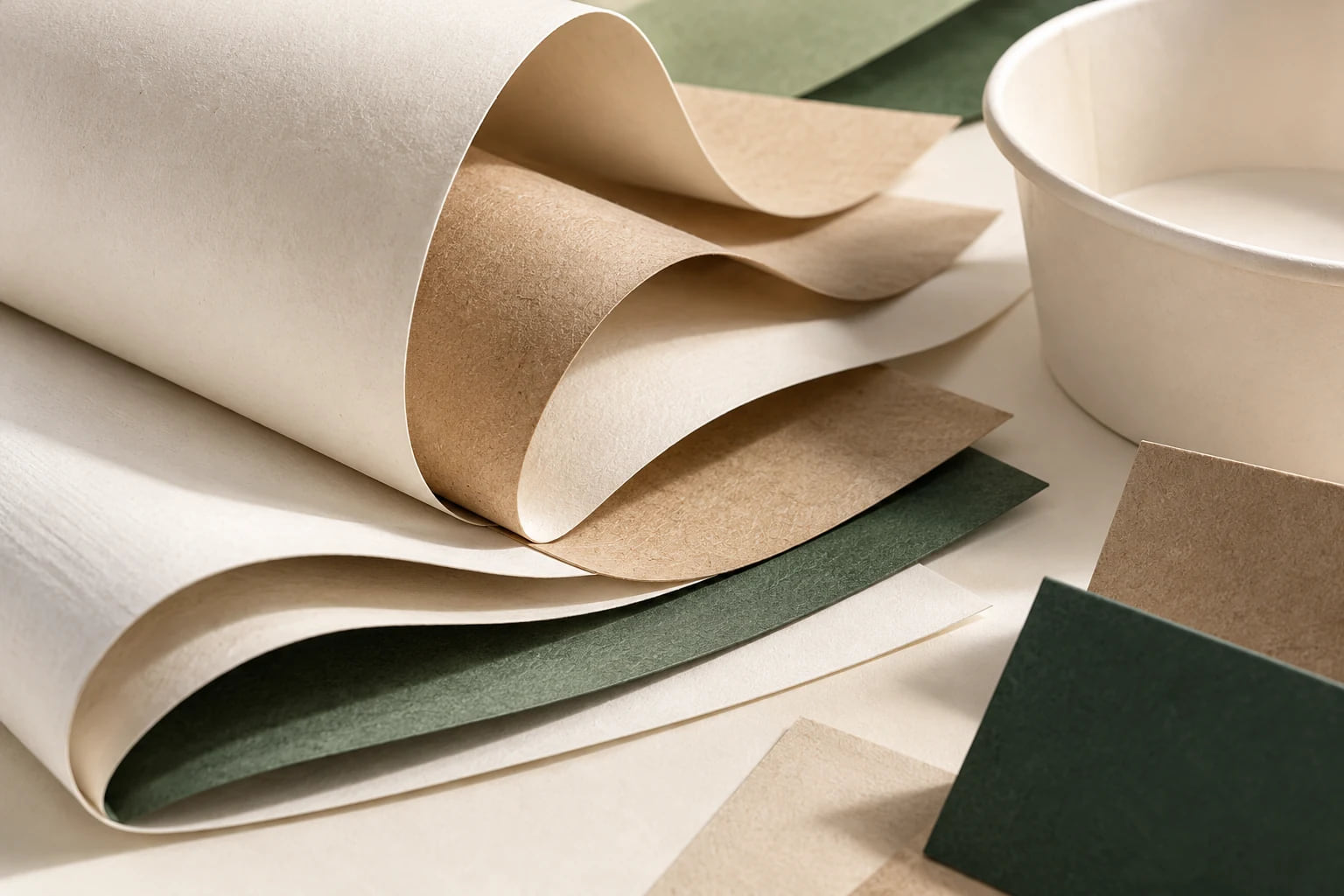

Quality Begins Before the First Test.
Explore the decisions behind a more useful packaging brief.
Make the Specification Reviewable.
A paper pack can look right and still be unsuitable for its intended use. The food, filling temperature, contact time, lid, carrying conditions and print requirements all belong in the approval brief.
Nominal capacity does not describe the complete pack. Record dimensions, components, lining, print and the intended food. These details make it possible to compare a proposed sample with a clear requirement instead of a general impression.
- Complete pack and component references
- Food, portion and filling conditions
- Appearance and functional acceptance points
Test the Routine You Intend to Run.
Use a documented reference for each SKU: dimensions, components, material description, artwork version and packing. Then agree which checks will demonstrate acceptance for your application.
Review the complete filled assembly using the proposed food, hold time and carrying method. A lid applied on a bench may behave differently during serving or transport. Record observations and differences from the planned operating conditions.
- Agreed sample and trial conditions
- Closing, carrying and holding routine
- Dated observations and photo references
Make the Approval Specific.
Review the filled assembly, including the lid or closure. A result for one structure, food or test condition should not be extended automatically to another.
Connect the decision to the tested configuration and its limits. Retain the sample identity, document references and agreed acceptance method. Review a material, component or use-condition change before extending the same approval to a new situation.
- Versioned sample and specification
- Supporting document scope
- A written approval or change record
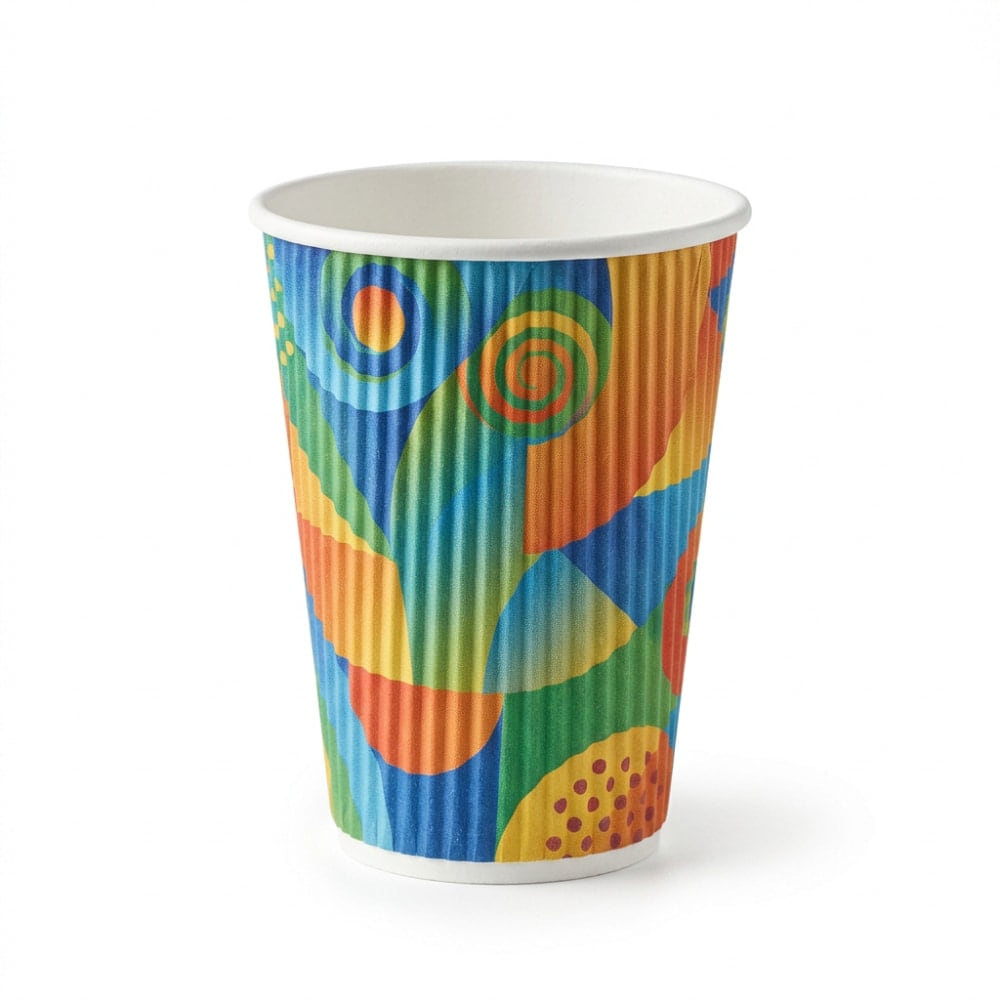
Look Closer at the Whole Pack.
Paper, shape and closure all belong in the same evaluation.
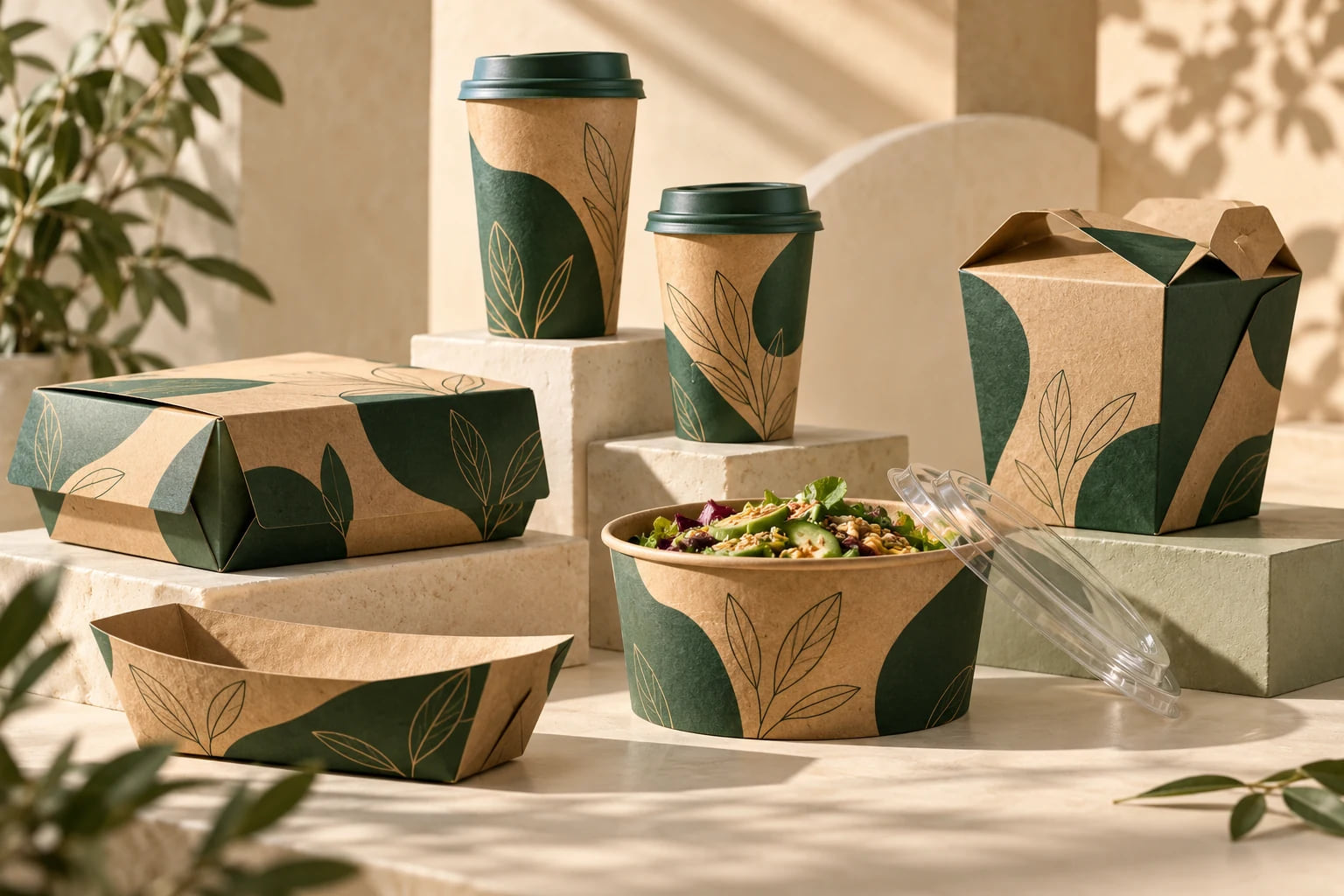
Paper and Material
Cup and Closure
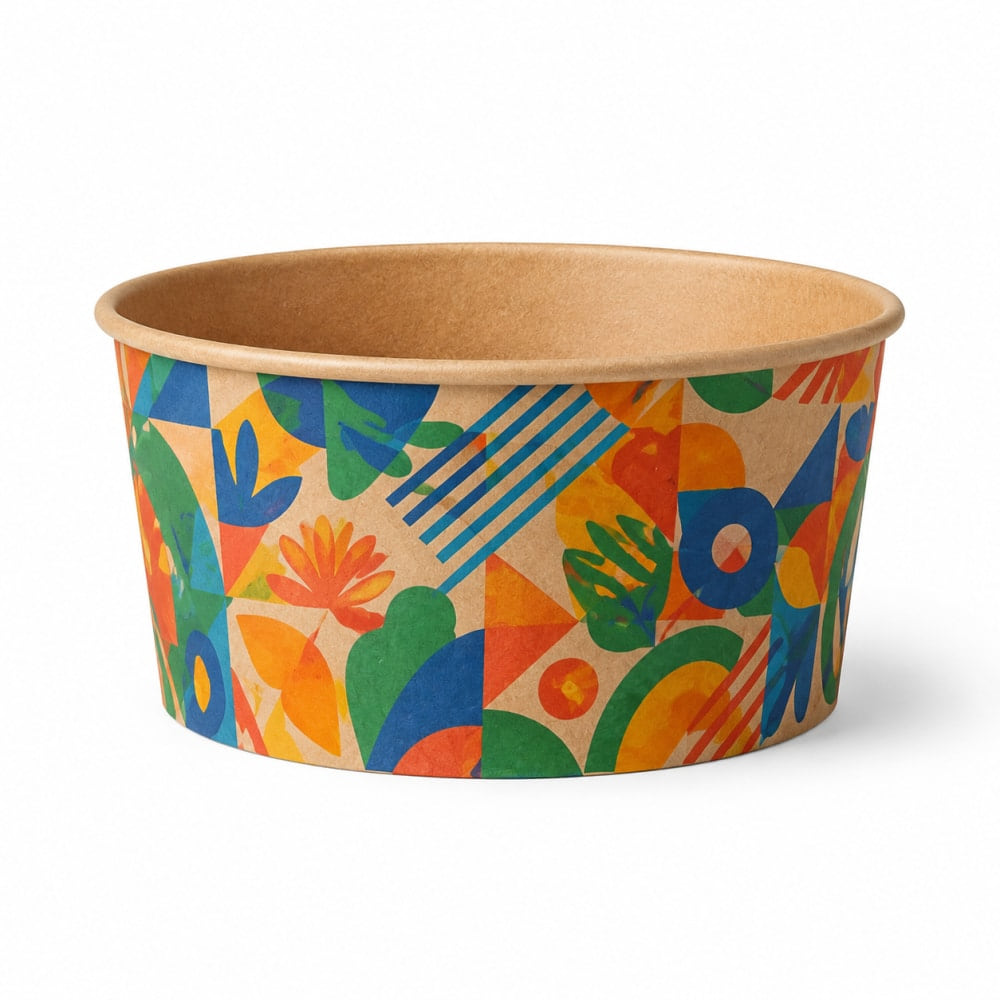
Bowl and Intended Use
What Should Your Sample Demonstrate?
Select a product family to build a more relevant acceptance discussion.
Start with the Complete Cup.
Cup evaluation should connect the intended beverage, fill, hold time and lid to the actual serving routine.
- Fit & closure
Check lid engagement, drinking opening and the agreed removal or application routine.
- Use conditions
Record beverage type, filling conditions, intended hold time and carrying method.
- Acceptance record
Identify the cup and lid versions, sample quantity, method and observed result.
Test the Bowl with Its Intended Food.
Separate dry foods, oily meals and free liquids. A salad trial does not establish performance with hot soup.
- Contact
Record the actual food, temperature and contact duration.
- Structure
Observe wall, bottom, rim and lid behaviour during filling and carrying.
- Acceptance record
Photograph the sample before and after the agreed test; record any leakage or deformation.
Review Closing, Carrying and Stacking.
Use the proposed portion and service routine to evaluate the complete meal box, including any compartments.
- Usable space
Confirm internal dimensions and portion arrangement, not just nominal capacity.
- Operation
Review tab engagement, folding effort, filled stacking and carrying stability.
- Acceptance record
Note food movement, lid interference and visible changes under agreed conditions.
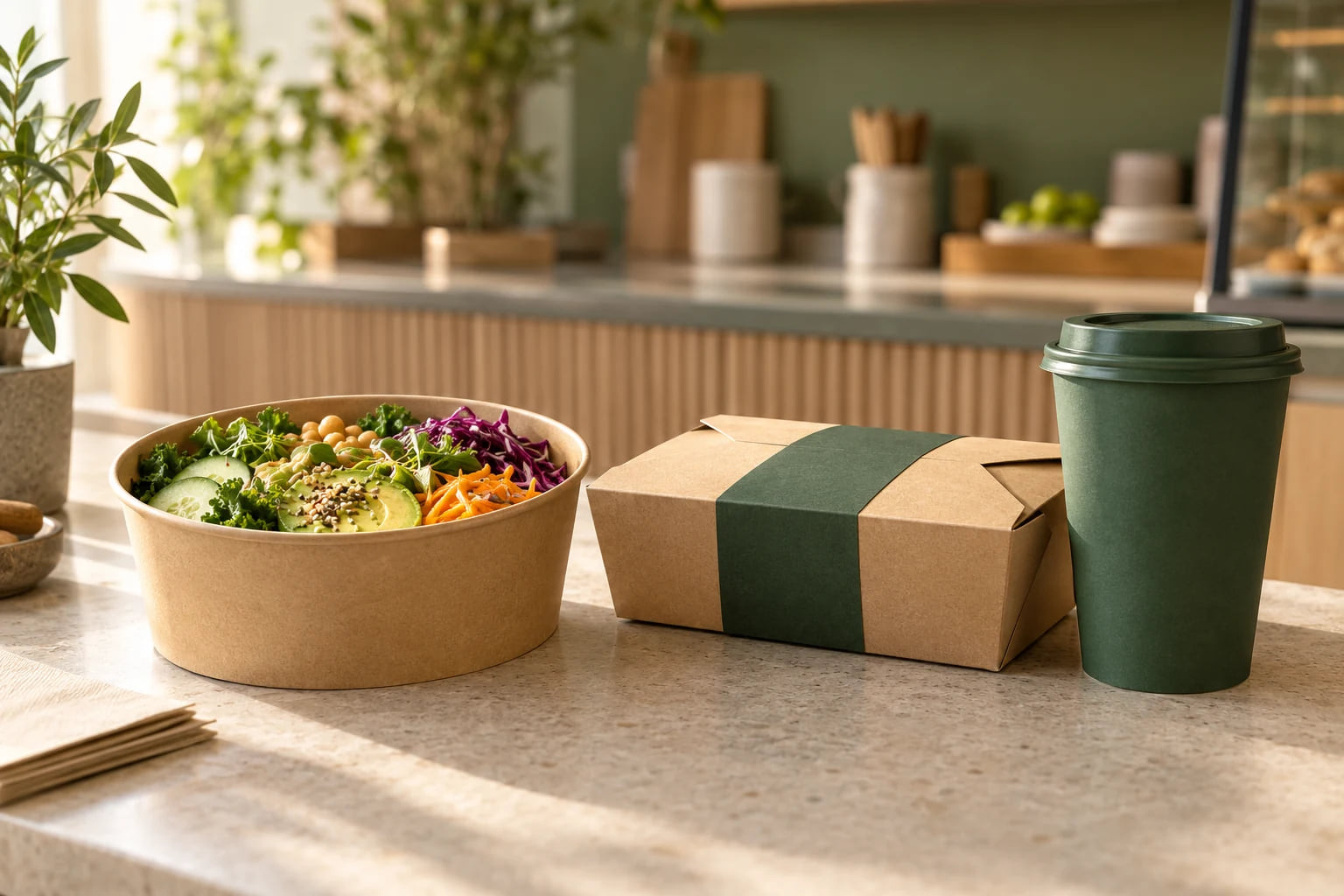
Approve Colour on the Actual Substrate.
A screen proof confirms layout, while the physical reference establishes what to compare on printed packaging.
- Artwork
Lock the dieline, revision, text, barcode and print position.
- Appearance
Agree colour references, viewing conditions and the acceptable comparison method.
- Acceptance record
Retain the approved reference and record how later batches will be compared.
Connect Each Stage to a Control Point.
Use the proposed inspection plan to make quality responsibilities explicit.
Quality-control discussion framework
Incoming Materials
Checks to Agree
Material identity, proposed board/lining and supplier documentation.
Record to Request
Material reference and incoming inspection record.
Keep this decision with the approved SKU, sample and artwork record.
Production Setup
Checks to Agree
Drawing, sample, tooling/configuration and artwork revision.
Record to Request
Approved setup or first-piece reference.
Keep this decision with the approved SKU, sample and artwork record.
In-Process Review
Checks to Agree
Dimensions, seam/closure formation and appearance as applicable.
Record to Request
Agreed inspection frequency, method and findings.
Keep this decision with the approved SKU, sample and artwork record.
Finished Goods
Checks to Agree
Assembly fit, agreed functional checks, print and packing.
Record to Request
Batch or shipment inspection summary.
Keep this decision with the approved SKU, sample and artwork record.
Shipment Release
Checks to Agree
SKU, quantity, carton labels and agreed export packing.
Record to Request
Packing list, release decision and traceability references.
Keep this decision with the approved SKU, sample and artwork record.
The Detail Is in the Assembly.
Nominal size is only a starting point. For a cup programme, record the actual rim, lid and bottom construction. For bowls and containers, connect the closing interface to filling, carrying and holding. Test the proposed complete pack.
Ask for Evidence with the Right Scope.
A useful document identifies exactly what it covers.
Product & Material Identity
Match the report to the proposed pack, lining and components. Check whether it describes raw material, a component or the finished article.
Intended Use & Conditions
Review the food or test medium, temperature, duration and stated limitations. Match these to your intended use.
Issuer & Document Details
Check the named company, issuing organisation, reference number, date and scope. Request clarification for missing or inconsistent information.
Traceability & Version
Keep the document revision with the approved SKU record. If the material, lining or construction changes, review the supporting evidence again.
Need supporting documents for a destination market? Share the destination, proposed product and intended use. The available document set and any further review should be confirmed for that exact configuration.
Prepare a Sample Acceptance Record.
Use one worksheet to document filling conditions, sample identities, test observations and approval decisions.
Quality Questions, Answered.
Are All Products Suitable for Hot Filling, Microwaving or Freezing?
Suitability depends on the exact construction, components and intended conditions. Describe the temperature, duration and use method so the proposed product can be reviewed. Do not infer suitability from another item in the same family.
Can I Obtain Test Reports or Other Quality Documents?
Ask for documents matched to the proposed product, material and use conditions. The team should confirm what is available and what each document covers before you rely on it.
What Happens if There Is a Quality Issue?
Keep the affected packs and carton labels. Send the order reference, SKU, quantity affected, photos and description of the use conditions. Agree the investigation and next steps with the team against the approved specification.
Bring Us Your Quality Requirements.
Identify the product, intended use and destination so we can discuss the relevant checks and documents.
Bring the Discussion Back to the Product
Move from your buying brief to the product formats and specifications worth reviewing.