
Fude Packaging / Custom Packaging
Custom Packaging.
True to Your Brand.
Build a coordinated paper packaging range around your products, artwork and procurement plan.
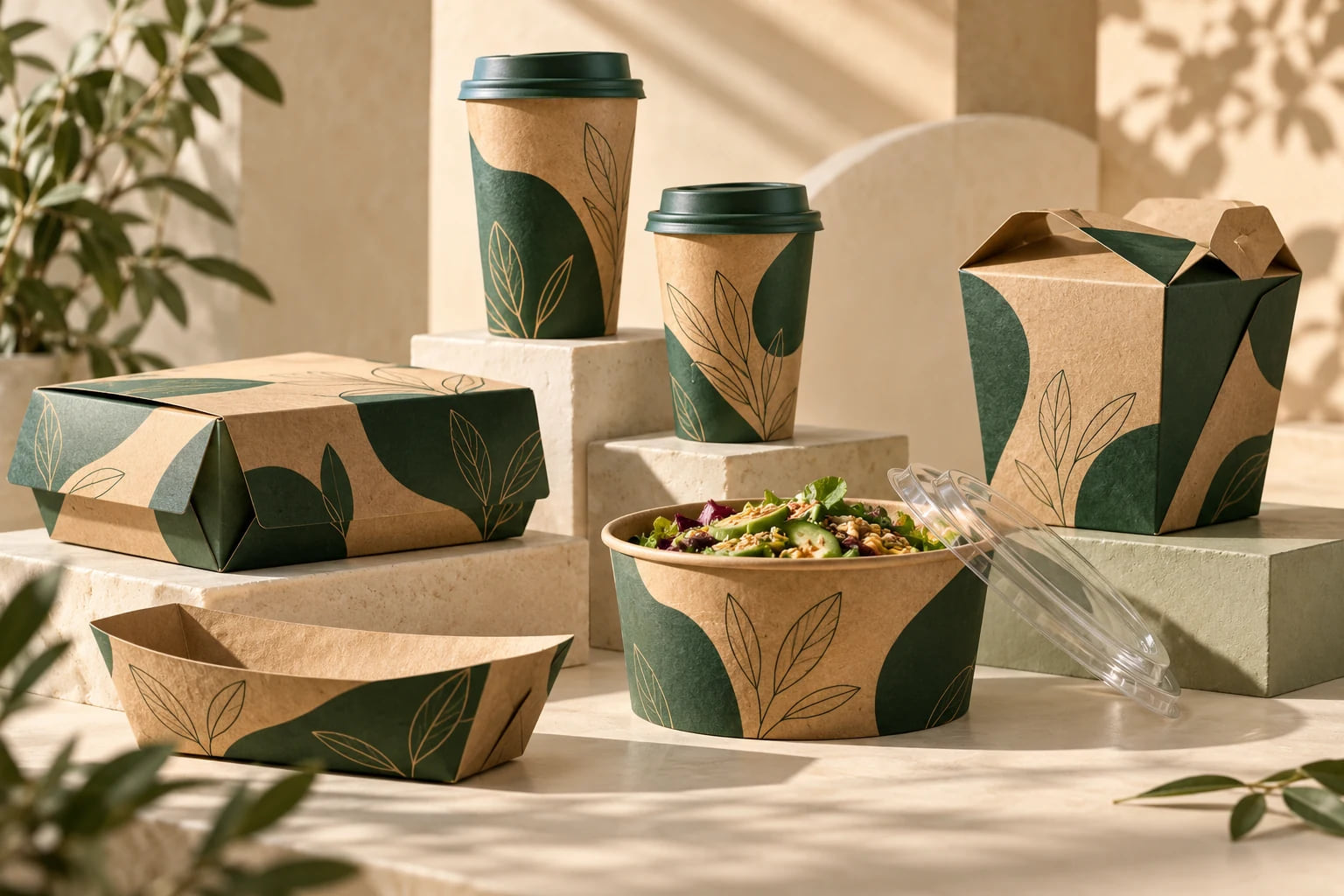
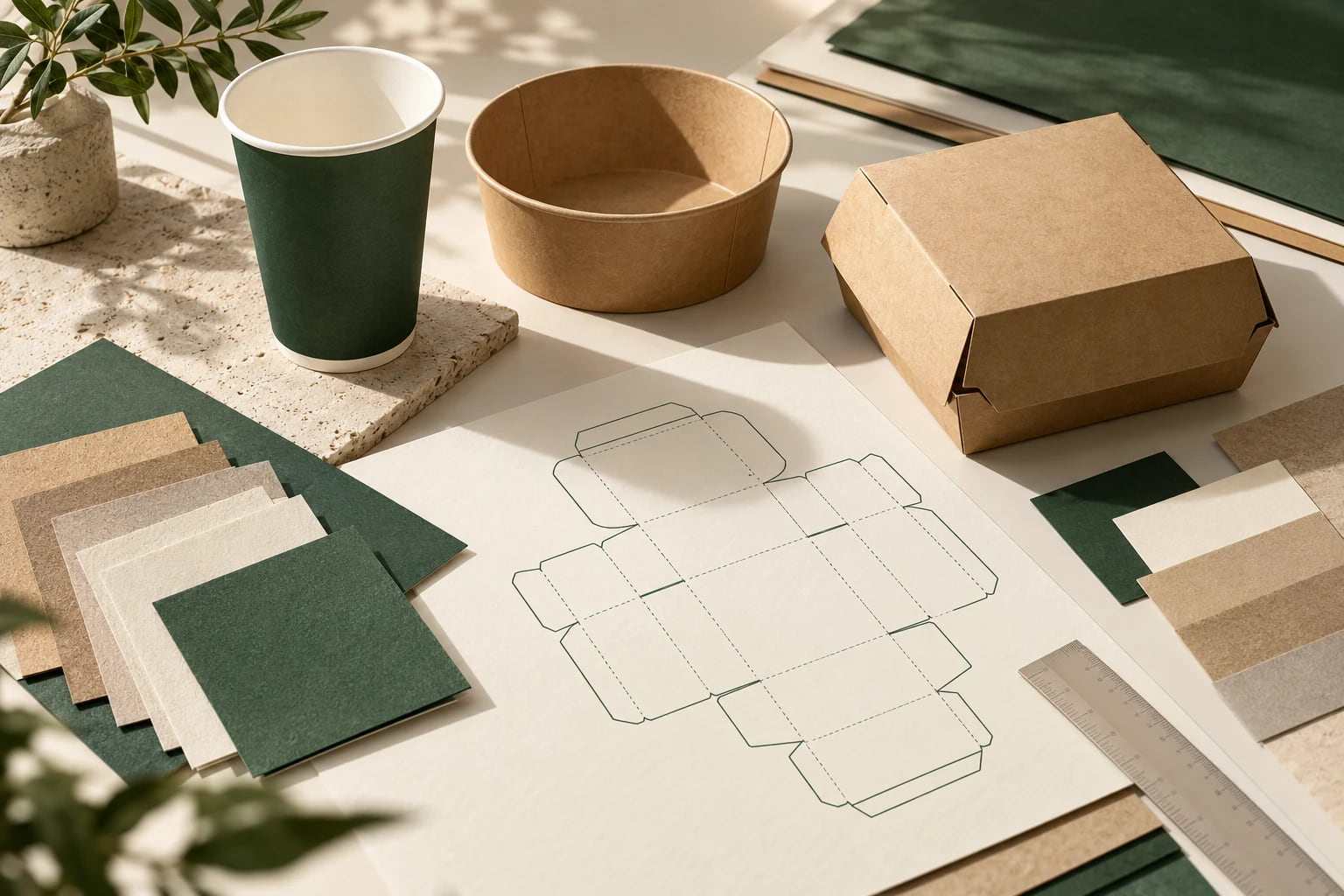
A Brand System, Built Around the Pack.
Explore the decisions behind a more useful packaging brief.
Choose the Right Physical Format.
Start with the pack’s job, then define its appearance. A strong custom packaging brief connects the menu, portion and service conditions to the format, material and artwork.
Define what goes inside, how it is filled, how it is held and how it is carried. The portion, lid and handling method establish the physical starting point. This prevents the artwork from becoming the only criterion in a packaging decision.
- Food, portion and service conditions
- Product dimensions and matching closure
- Desired appearance and procurement plan
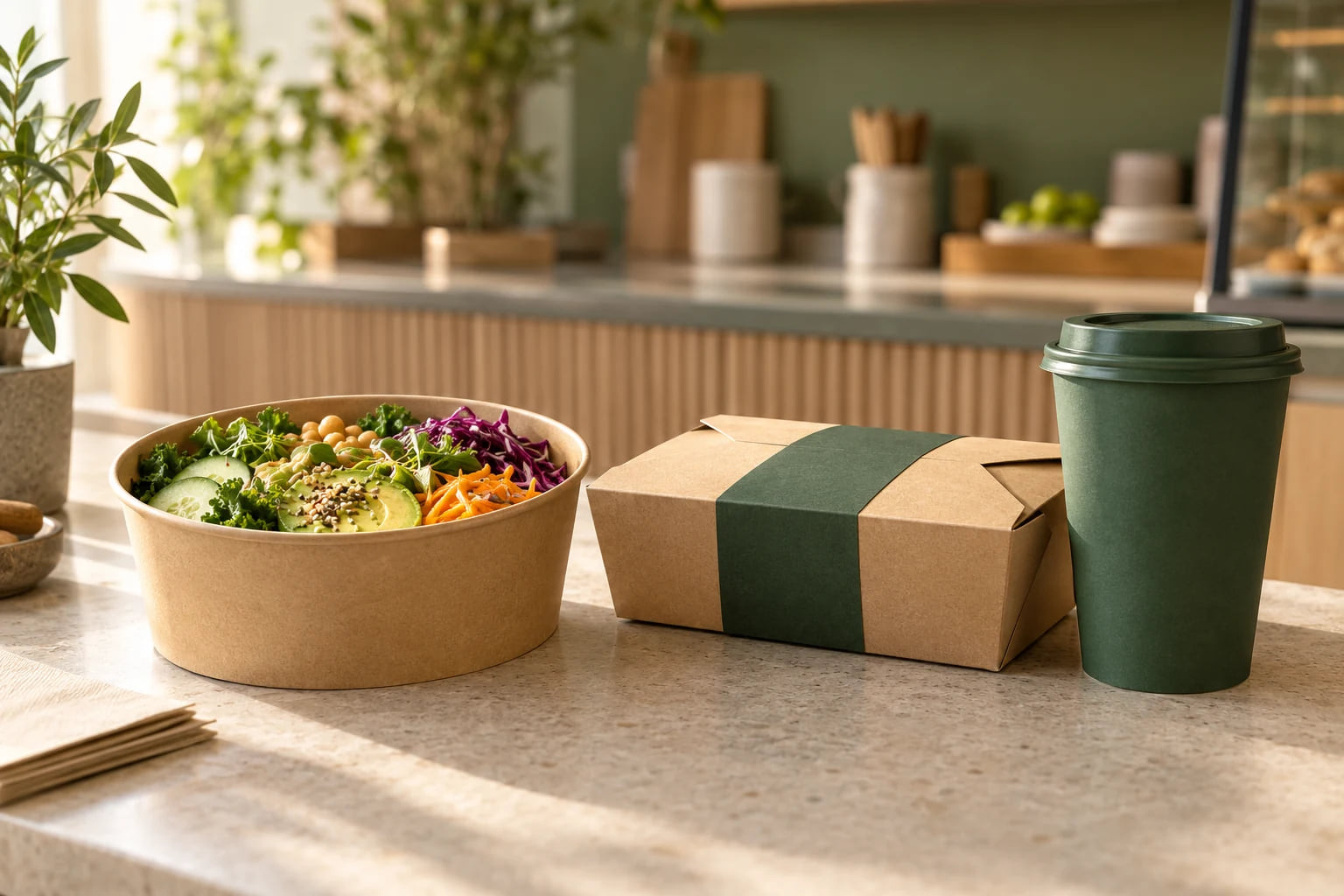
Give Each Format Its Own Layout.
Fude’s core range covers paper cups, bowls and food containers. Use an existing format as a starting point, or discuss a different size or structure where the project requires it. Availability, tooling and production arrangements are confirmed for the proposed configuration.
Use one coherent identity across the range, with a separate layout for every size and structure. Check seams, folds, rim clearances and the faces visible during serving. Keep language and seasonal variants identifiable from the first review.
- Editable brand assets and final text
- Format-specific dielines and colour references
- An approval owner for every artwork revision
Make the Brand Easy to Reorder.
For a multi-SKU range, keep one brand system while approving each format independently. The same artwork cannot simply be scaled across every cup, bowl and box.
Treat the range as a list of distinct approved SKUs. Include the size, construction, artwork and quantity for each line, then connect it to case labels and the receiving plan. A clear range matrix helps the team quote and review the complete programme.
- Quantity by SKU and artwork design
- Sample and colour approval references
- Case identification and repeat-order versions
One Visual Language. Many Useful Formats.
Explore a coordinated direction, then approve every format independently.
Range Direction
Artwork and Sample
Service Context
Choose What Needs to Change.
Separate print customisation from changes that affect the physical pack.
Logo & Artwork
Define the logo, brand colours, text, language versions and print coverage. Review seams, folds and other areas where artwork may be interrupted.
Paper & Lining
Discuss the paper appearance and proposed barrier against the food and use conditions. Evaluate the print on the chosen surface.
Size & Construction
Describe usable internal space, nominal size, closure and any matched lid. A new structure may require additional development and tooling.
Range & Outer Packing
Provide quantity by size and artwork version. Agree carton quantities, SKU identification and outer-label information for receiving and replenishment.
A Practical Route for Your Project.
Select the starting point closest to your packaging brief.
Keep the Format. Develop the Brand.
A defined pack format lets the discussion focus on artwork, material choice and the quantity for each design.
- You provide
Product or reference sample, size, artwork, destination and quantity per SKU/design.
- Review together
Dieline fit, print method, colour reference, sample type and production quotation.
- Approve before release
The agreed specification, artwork revision, physical reference and packing.
Define Function Before Appearance.
A structural change needs a clear use case, dimensions and a practical review of forming and closing.
- You provide
Food type, portion, service conditions, reference pack and the reason the current format falls short.
- Review together
Proposed drawing, material, lid/closure, development scope and any tooling.
- Approve before release
The revised assembly, filled-use trial, artwork and order-specific schedule.
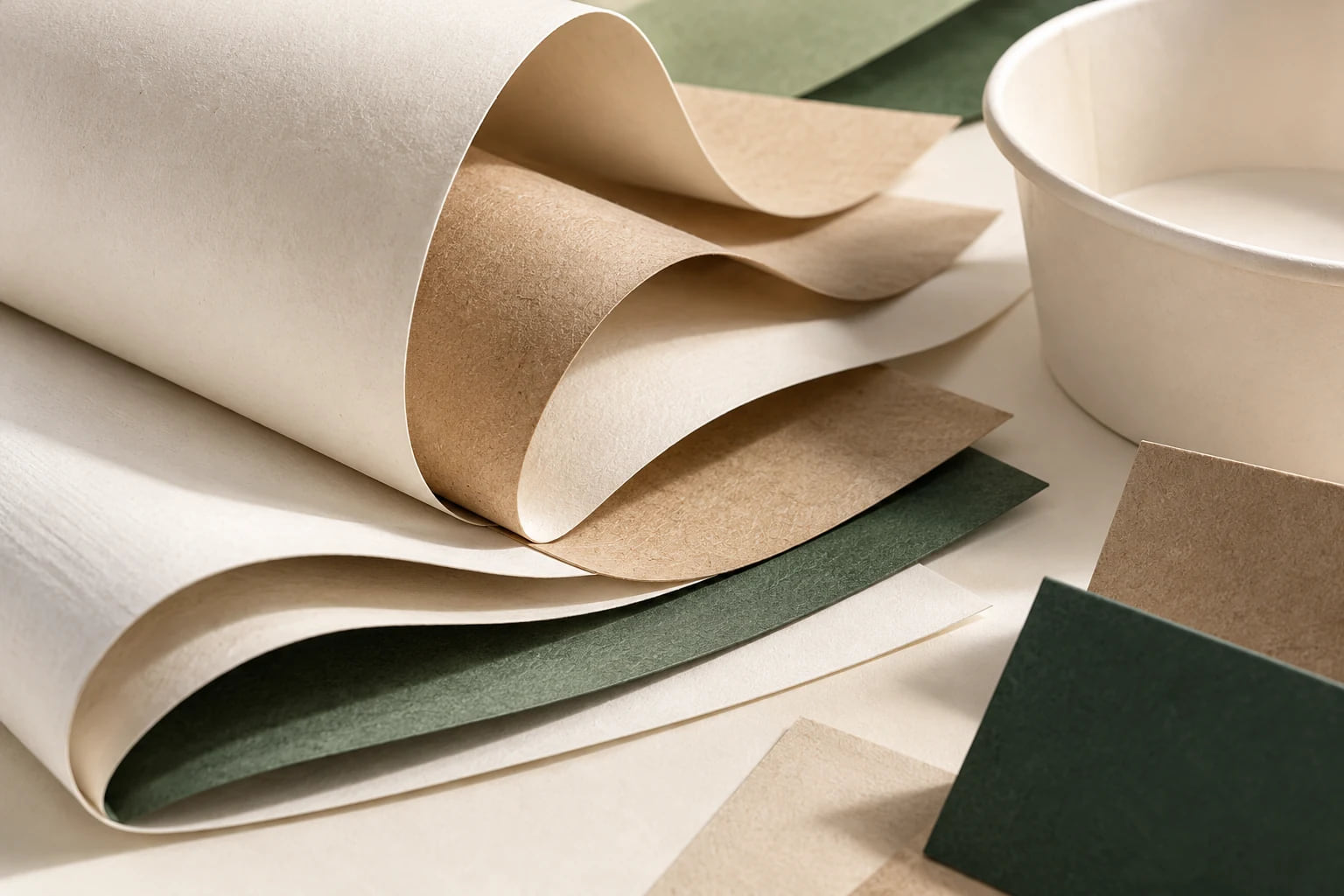
One Brand. A Controlled SKU System.
For cups, bowls and boxes across a chain or distribution range, make each configuration easy to identify and reorder.
- You provide
Range matrix with format, size, artwork version and forecast quantity.
- Review together
Shared colour references, component compatibility, case labels and replenishment priorities.
- Approve before release
A separate drawing and approved reference for every SKU, plus a range-level version list.
Artwork That Is Ready for Production.
A useful handover lets the team resolve print questions before production planning.
Custom packaging artwork handover
Product Layout
Include in the Brief
The confirmed dieline or request for the proposed layout.
Why It Matters
Keeps graphics away from seams, folds and closing areas.
Keep this decision with the approved SKU, sample and artwork record.
Editable Artwork
Include in the Brief
Vector logo/artwork where available, with fonts outlined or supplied.
Why It Matters
Allows the team to check reproduction and text handling.
Keep this decision with the approved SKU, sample and artwork record.
Colour Reference
Include in the Brief
Named brand colours and the physical reference, if available.
Why It Matters
Provides a shared target beyond an uncalibrated screen.
Keep this decision with the approved SKU, sample and artwork record.
Text & Variants
Include in the Brief
Final language text, size identifiers and artwork revision.
Why It Matters
Prevents a seasonal or regional design from entering the wrong SKU.
Keep this decision with the approved SKU, sample and artwork record.
Print Approval
Include in the Brief
Agreed proof type and the person authorised to approve.
Why It Matters
Separates layout confirmation from physical colour or performance approval.
Keep this decision with the approved SKU, sample and artwork record.
Design for the Whole Range.
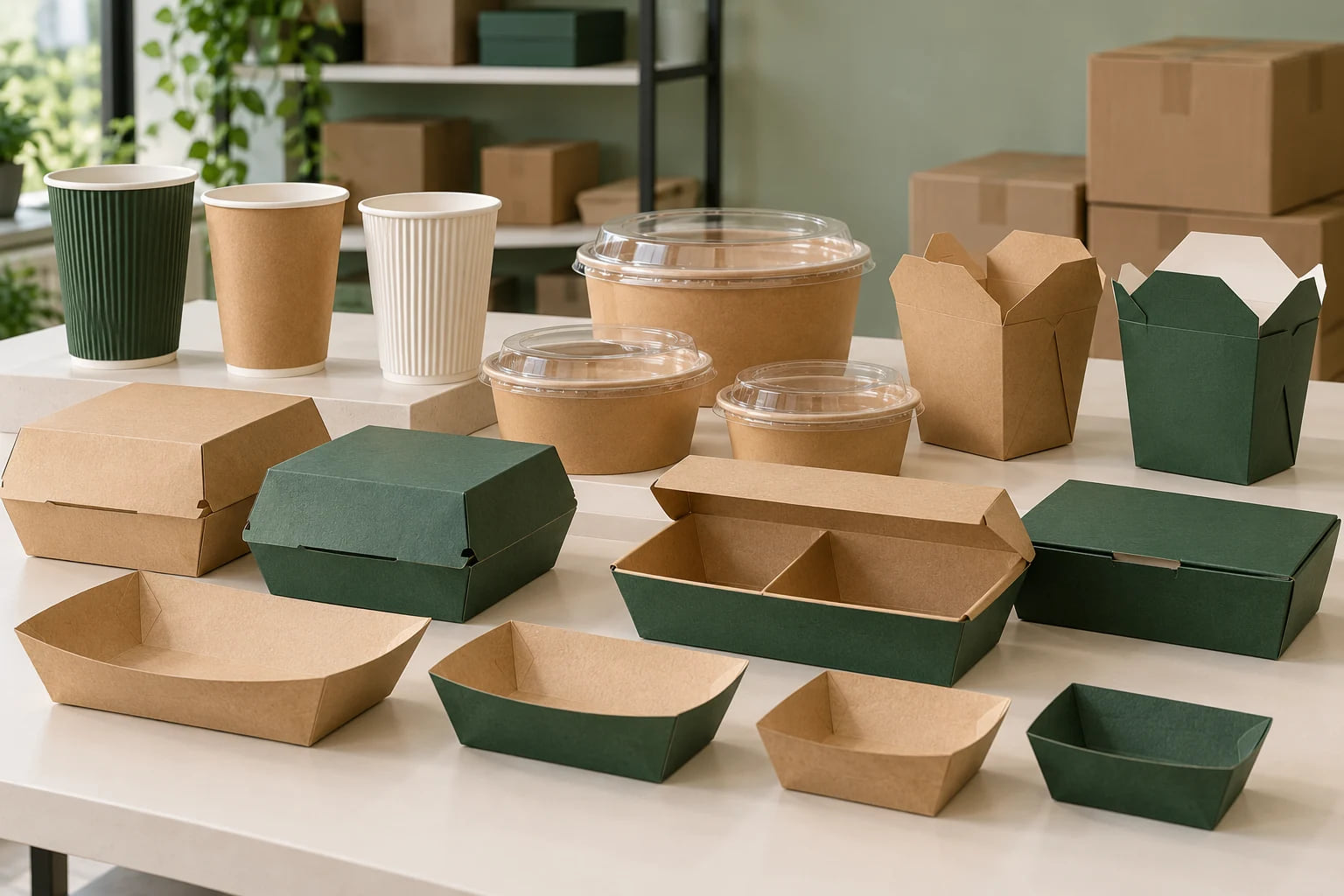
A paper cup, bowl and meal box carry a brand differently. Check the visible faces, handling areas, seams and folds on each format. A range-level artwork list helps keep colour references and revisions consistent without losing the details of each pack.
Move from Brief to Approved Pack.
Keep each approval decision visible.
Define
Share the format, use conditions, quantity and brand requirements.
Output: a structured packaging briefReview
Discuss the proposed specification, layout, sample and quotation.
Output: a proposed configurationValidate
Review the agreed sample for appearance, fit and intended use.
Output: an approval or change recordRelease
Confirm the final artwork, order, acceptance criteria and packing.
Output: a production-ready recordSend a Better Custom-Packaging Brief.
A fill-in worksheet for product dimensions, artwork versions, quantities, samples and packing.
Before You Start a Custom Project.
What Quantities Should I Use for Planning?
For an initial bulk-production comparison, provide 50,000 or 100,000 pieces per proposed SKU/design, or state your actual quantity. These are planning references. The confirmed MOQ depends on the product, material and artwork.
Can One Design Cover Several Sizes?
The brand system can be shared, but each size needs its own layout and approval. List the quantity for each size and design, including any language or seasonal variants.
Will the Printed Sample Match a Screen Proof Exactly?
Screen proofs are useful for layout, text and position. Colour appearance also depends on substrate, printing and viewing conditions. Agree a physical reference and the comparison method for the intended production process.
Turn Your Brief into a Packaging Proposal.
Share your products, artwork needs and quantity by design. We can help define the next review.
Bring the Discussion Back to the Product
Move from your buying brief to the product formats and specifications worth reviewing.